Hidden Health Risks Of Sleep Fragmentation And Recreational Drug Use
Published on December 15, 2025
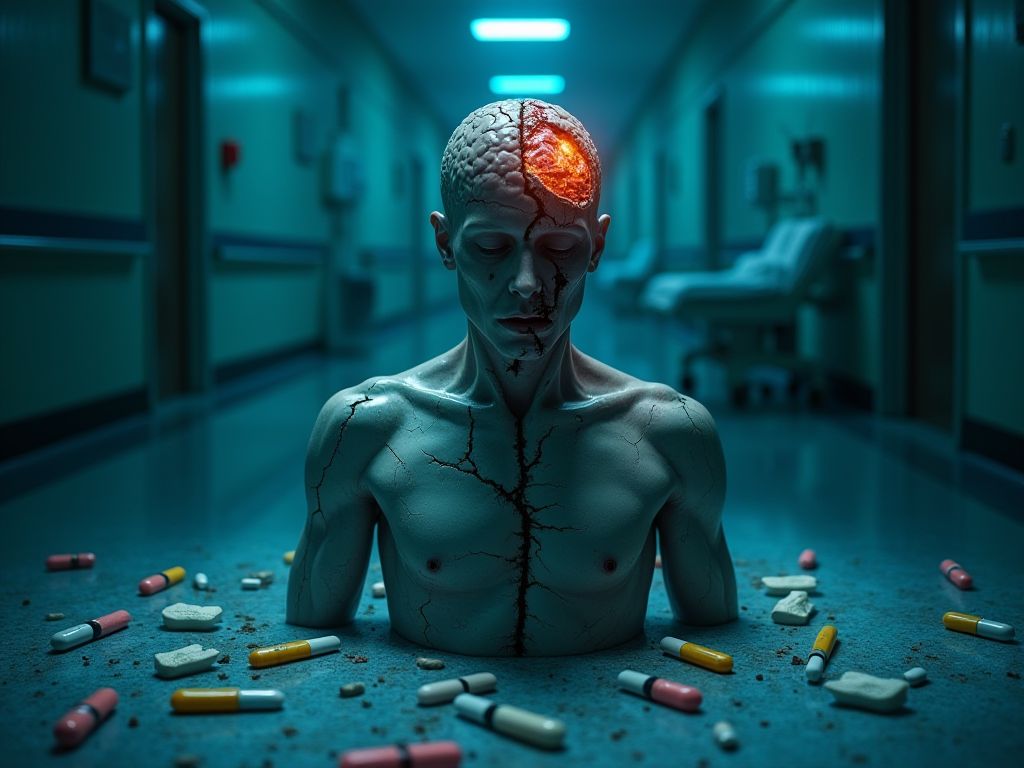
The Hidden Health Risks of Sleep Fragmentation and Recreational Drug Use
Modern lifestyles often prioritize productivity over rest, and the allure of recreational drugs can seem like an escape from stress. However, the combination of sleep fragmentation—disrupted, non-restorative sleep—and recreational drug use creates a dangerous synergy with far-reaching health consequences. While these issues may appear isolated, their interplay can accelerate chronic disease, impair cognitive function, and damage mental health. This article explores the science behind these hidden risks and offers actionable insights for prevention and recovery.
1. The Brain’s Vulnerability: Sleep Fragmentation and Neurological Damage
Sleep fragmentation disrupts the brain’s ability to clear toxins, such as beta-amyloid proteins linked to Alzheimer’s disease. Recreational drugs like cannabis and stimulants (e.g., amphetamines) further impair neurotransmitter balance, exacerbating cognitive decline. Together, they create a perfect storm for neurodegeneration.
2. Cardiovascular Health: A Silent Battle
Fragmented sleep increases blood pressure and heart rate variability, while drugs like cocaine and alcohol trigger arrhythmias and vascular damage. This combination significantly raises the risk of hypertension, heart failure, and stroke, even in younger individuals.
3. Mental Health: The Double Whammy of Anxiety and Depression
Chronic sleep disruption alters mood regulation, while recreational drugs—especially alcohol and hallucinogens—disrupt serotonin and dopamine pathways. This synergy amplifies symptoms of anxiety, depression, and even suicidal ideation.
4. Immune System Suppression: A Hidden Weakness
Both sleep fragmentation and drug use weaken immune responses. Sleep deprivation reduces T-cell production, while drugs like opioids and methamphetamine impair cytokine signaling, leaving the body vulnerable to infections and autoimmune diseases.
5. Metabolic Mayhem: Obesity and Diabetes on the Rise
Fragmented sleep disrupts leptin and ghrelin hormones, increasing appetite. Recreational drugs like marijuana and stimulants further dysregulate metabolism, leading to insulin resistance, weight gain, and a higher risk of type 2 diabetes.
6. Chronic Disease Acceleration
The combined effects of poor sleep and drug use accelerate aging at the cellular level. Telomere shortening, oxidative stress, and inflammation increase the risk of cancers, liver disease, and neurodegenerative disorders.
7. Cognitive Decline: Memory, Focus, and Decision-Making
Sleep fragmentation impairs memory consolidation, while drugs like alcohol and stimulants impair attention and executive function. This duo leads to long-term deficits in learning, problem-solving, and impulse control.
8. Social and Occupational Consequences
Chronic fatigue from fragmented sleep and drug-induced cognitive impairment reduce productivity, strain relationships, and increase the likelihood of accidents or errors in high-stakes environments like healthcare or transportation.
9. Recovery Challenges: A Vicious Cycle
Individuals struggling with addiction often experience disrupted sleep, which worsens withdrawal symptoms and cravings. This creates a cycle where poor sleep fuels relapse, and relapse exacerbates sleep issues.
10. Hidden Risks for Specific Populations
Adolescents, pregnant individuals, and the elderly face unique dangers. For example, sleep fragmentation in teens can impair brain development, while drug use during pregnancy increases the risk of neonatal abstinence syndrome. Older adults may experience accelerated cognitive decline.
Frequently Asked Questions
- Q: Can occasional recreational drug use and mild sleep issues cause long-term damage?
A: Yes. Even occasional use can compound over time, especially if sleep problems persist. The cumulative effects on the brain and body are significant.
- Q: Are some drugs safer if sleep is undisturbed?
A: No. All recreational drugs carry risks, and sleep disruption amplifies them. For example, even "mild" cannabis use can worsen sleep quality and cognitive function.
- Q: How can I improve sleep if I have a substance use disorder?
A: Seek professional help, avoid stimulants before bed, and establish a sleep routine. Cognitive-behavioral therapy for insomnia (CBT-I) is highly effective.
Conclusion: Taking Control of Your Health
The hidden health risks of sleep fragmentation and recreational drug use are not inevitable. By prioritizing rest, avoiding harmful substances, and seeking support when needed, you can protect your body and mind. Small changes—like limiting screen time before bed or attending support groups—can lead to profound long-term benefits. Your health is worth the investment, and help is always available.
Scientific References & Medical Evidence
- "Sleep patterns and predictors of disturbed sleep in a large population of college students." (2010) View study on PubMed.gov →
- "Sleep debt-induced anxiety and addiction to substances of abuse: A narrative review." (2024) View study on PubMed.gov →
CureCurious verifies facts through peer-reviewed research.
You might also like


Recommended for your journey
We've handpicked this top-rated health tool to help you achieve the results discussed in this article.
Check Price on Amazon*As an Amazon Associate, CureCurious.com earns from qualifying purchases. This helps us keep our research free for everyone.

Written by Dr. Sarah Mitchell
Nutrition Expert & MD
"Dr. Sarah Mitchell is a board-certified nutritionist with over 15 years of experience in clinical dietetics. She specializes in metabolic health and gut microbiome research."