Hiit Workouts: Dosage Guide
Published on December 14, 2025
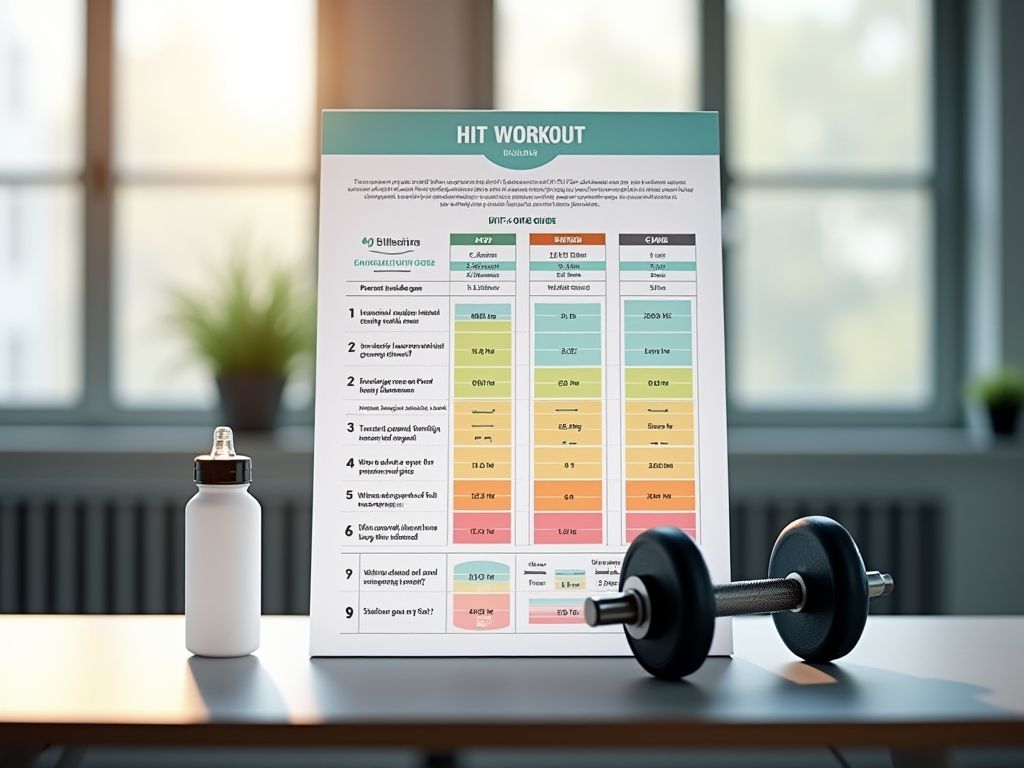
HIIT Workouts: A Comprehensive Dosage Guide for Optimal Results
High-Intensity Interval Training (HIIT) has become a cornerstone of modern fitness due to its efficiency, time-saving nature, and impressive results. However, like any powerful tool, HIIT requires careful calibration to maximize benefits and minimize risks. This article provides a science-backed dosage guide to help you tailor your HIIT workouts for your goals, fitness level, and recovery capacity.
1. Understanding HIIT: What Makes It Effective?
HIIT involves alternating between short bursts of intense exercise (e.g., sprinting, burpees) and recovery periods (e.g., walking, rest). Studies show that HIIT can improve cardiovascular health, burn fat, and boost metabolic rate in as little as 20 minutes per session, making it ideal for busy individuals. However, overdoing it can lead to burnout, injury, or diminished results.
2. The 2-3 Rule: Frequency for Most Adults
For general health and fitness, research from the American College of Sports Medicine (ACSM) recommends **2–3 HIIT sessions per week**. This allows sufficient recovery while still reaping metabolic and cardiovascular benefits. Beginners should start with 1–2 sessions weekly and gradually increase frequency as tolerance improves.
3. Duration: Quality Over Quantity
Each HIIT session should last **15–30 minutes**, depending on your goals and fitness level. A 20-minute session with 10–15 minutes of active work (e.g., 30 seconds of sprinting followed by 1 minute of rest) is optimal for most people. Avoid extending sessions beyond 30 minutes, as this can reduce intensity and increase injury risk.
4. Intensity: The Gold Standard
The effectiveness of HIIT hinges on **intensity**. During work intervals, aim for **80–95% of your maximum heart rate** or the "talk test" (you should be unable to speak in full sentences). For beginners, using the **Rate of Perceived Exertion (RPE)** scale (1–10) can help: aim for 7–8 during work intervals.
5. Work-to-Rest Ratios: Tailoring to Your Goals
The ratio of work to rest intervals influences outcomes:
- Beginners: 1:1 or 1:2 (e.g., 30 seconds work, 30–60 seconds rest)
- Intermediate: 1:1 (e.g., 45 seconds work, 45 seconds rest)
- Advanced: 2:1 or 3:1 (e.g., 1 minute work, 30 seconds rest)
6. HIIT for Fat Loss: How Much Is Enough?
For fat loss, **2–4 HIIT sessions per week** combined with a calorie deficit are ideal. Research shows that 20–30 minutes of HIIT 3 times weekly can enhance fat oxidation. However, avoid exceeding 4 sessions weekly, as this may lead to overtraining and hormonal imbalances.
7. HIIT for Muscle Gain: The Balance Act
HIIT can support muscle gain when paired with strength training. Aim for **1–2 sessions weekly**, focusing on compound movements (e.g., sprints, rowing) and allowing at least 48 hours of recovery between sessions. Prioritize protein intake and sleep to optimize muscle synthesis.
8. Recovery: The Unsung Hero of HIIT
Recovery is critical for HIIT success. Ensure **at least 24–48 hours of rest** between sessions. Incorporate active recovery (e.g., walking, yoga) on non-HIIT days. Sleep, hydration, and nutrition (especially protein and antioxidants) play a vital role in reducing inflammation and muscle soreness.
9. Avoiding the Pitfalls: Signs of Overtraining
Overtraining in HIIT can manifest as:
- Persistent fatigue or irritability
- Decreased performance or prolonged recovery
- Increased injury risk or joint pain
- Loss of appetite or sleep disturbances
10. Progression: How to Keep Improving
As your fitness improves, increase intensity (e.g., longer work intervals, higher RPE), decrease rest time, or add complexity (e.g., circuit training). Track progress with metrics like heart rate variability (HRV), performance tests, or body composition changes. Consistency and gradual progression are key.
Frequently Asked Questions
Q1: Can beginners do HIIT daily?
No. Beginners should limit HIIT to **1–2 sessions per week** to avoid overtraining and injury. Daily HIIT can lead to chronic fatigue and burnout.
Q2: Is HIIT safe for people with chronic conditions?
HIIT can be safe for most people when modified. Those with heart conditions, joint issues, or diabetes should consult a healthcare provider first and use lower-impact exercises (e.g., cycling, swimming).
Q3: How do I know if my HIIT intensity is too high?
Signs of excessive intensity include nausea, dizziness, or inability to complete work intervals. Use the RPE scale (1–10) to stay within a safe range (7–8 for most people).
Q4: Can HIIT replace other forms of exercise?
HIIT is a time-efficient option but should not replace strength training, flexibility work, or low-impact cardio (e.g., walking) for a well-rounded fitness plan.
Conclusion: Find Your HIIT Sweet Spot
HIIT is a powerful tool, but its success depends on proper dosage. By tailoring frequency, intensity, and recovery to your goals and fitness level, you can maximize results while minimizing risks. Remember: consistency, gradual progression, and listening to your body are the keys to long-term success. Start small, stay smart, and let science guide your journey!
Scientific References & Medical Evidence
- "A Perspective on High-Intensity Interval Training for Performance and Health." (2023) View study on PubMed.gov →
- "High-intensity interval training, solutions to the programming puzzle: Part I: cardiopulmonary emphasis." (2013) View study on PubMed.gov →
CureCurious verifies facts through peer-reviewed research.
You might also like


Recommended for your journey
We've handpicked this top-rated health tool to help you achieve the results discussed in this article.
Check Price on Amazon*As an Amazon Associate, CureCurious.com earns from qualifying purchases. This helps us keep our research free for everyone.

Written by Mark Davies
Certified Fitness Coach
"Mark is a certified strength and conditioning specialist (CSCS). He helps people build sustainable fitness habits and recover from sports injuries."