Hiit Workouts For Busy Professionals For Over 60 With Lifestyle Changes
Published on December 14, 2025
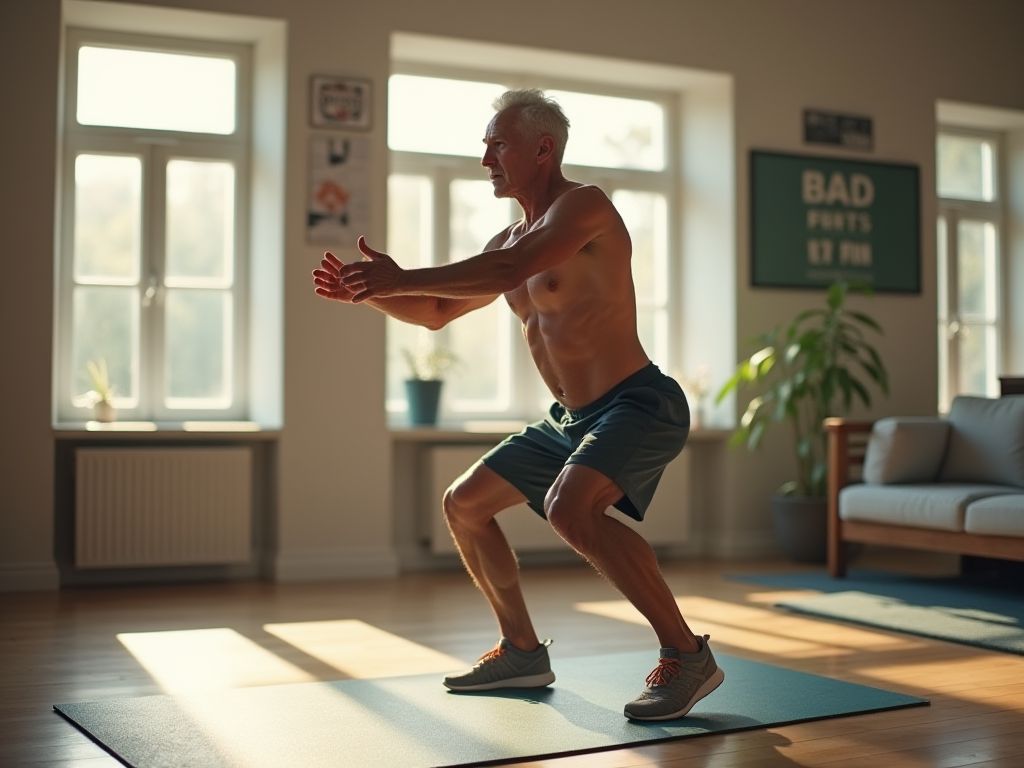
High-Intensity Interval Training (HIIT) for Busy Professionals Over 60: A Holistic Approach to Health
As we age, maintaining physical and mental well-being becomes increasingly important—especially for busy professionals over 60 who juggle demanding careers, family responsibilities, and personal goals. High-Intensity Interval Training (HIIT) offers a time-efficient, science-backed solution to stay fit, boost energy, and improve longevity. However, adapting HIIT for older adults requires thoughtful modifications, lifestyle integration, and a focus on sustainability. This article explores how HIIT can be tailored for busy professionals over 60, along with essential lifestyle changes to maximize its benefits.
1. Why HIIT is Ideal for Busy Professionals Over 60
HIIT combines short bursts of intense exercise with rest periods, making it perfect for those with limited time. Studies show that just 20–30 minutes of HIIT, 2–3 times a week, can yield results comparable to longer, steady-state workouts. For older adults, this efficiency is invaluable, as it reduces barriers like scheduling conflicts or physical fatigue.
Partner Content


2. Key Benefits of HIIT for Older Adults
- Improves cardiovascular health: HIIT strengthens the heart and reduces risk factors for heart disease.
- Boosts metabolism: Short, intense sessions increase calorie burn and fat loss, even after the workout ends.
- Enhances muscle strength and bone density: Resistance-based HIIT moves (e.g., squats, lunges) combat age-related muscle loss.
- Supports cognitive function: Research links HIIT to improved memory and brain health in older adults.
3. Modifications for Safety and Effectiveness
While HIIT is powerful, older adults must prioritize safety. Key modifications include:
- Using low-impact moves (e.g., cycling, stepping in place instead of jumping).
- Incorporating balance exercises (e.g., single-leg stands) to prevent falls.
- Reducing intensity for those with joint pain or chronic conditions (e.g., using resistance bands instead of weights).
- Warming up for 5–10 minutes before each session to prepare muscles and joints.
4. Time-Saving Strategies for HIIT
Busy professionals can integrate HIIT into their schedules with these tips:
- Micro-workouts: Do 10–15 minutes of HIIT during lunch breaks or while waiting for meetings.
- Home-based routines: Use bodyweight exercises or minimal equipment (e.g., a resistance band, stability ball).
- Combine with daily tasks: Walk briskly while talking on the phone or do squats while waiting for the coffee to brew.
5. Nutrition Synergy: Fueling Your Body for HIIT
HIIT demands proper nutrition to support energy, recovery, and muscle repair. Key considerations:
- Consume complex carbohydrates (e.g., oats, sweet potatoes) for sustained energy.
- Increase protein intake (e.g., lean meats, legumes) to maintain muscle mass.
- Stay hydrated before, during, and after workouts to prevent fatigue and cramps.
- Include anti-inflammatory foods (e.g., berries, leafy greens) to reduce post-exercise soreness.
6. Sleep and Recovery: The Unsung Pillar of HIIT
Older adults often struggle with sleep, but quality rest is crucial for HIIT success. Tips:
- Aim for 7–9 hours of sleep nightly to support muscle recovery and cognitive function.
- Avoid screens 1 hour before bed to improve sleep quality.
- Use a foam roller or stretching routine post-HIIT to alleviate muscle tension.
7. Stress Management Integration
HIIT can be a powerful stress reliever, but managing stress outside the gym is equally important. Strategies:
- Practice mindfulness or deep breathing during rest intervals in HIIT sessions.
- Engage in hobbies or social activities to counterbalance work-related stress.
- Consider yoga or tai chi as complementary exercises to enhance flexibility and mental clarity.
8. Social and Accountability Aspects
Staying motivated as a busy professional requires community support. Ideas:
- Join online HIIT groups or fitness challenges for accountability.
- Work out with a friend or family member to make sessions more enjoyable.
- Share progress on social media or with colleagues to build a support network.
9. Tracking Progress and Staying Motivated
Tracking progress helps maintain consistency. Tools and methods:
- Use fitness apps (e.g., Nike Training Club, Peloton) to log workouts and monitor improvements.
- Keep a journal to note energy levels, sleep quality, and mood changes.
- Set small, achievable goals (e.g., "Do 3 HIIT sessions this week") to build momentum.
10. Long-Term Lifestyle Sustainability
HIIT should be part of a broader lifestyle, not a short-term fix. Key habits:
- Pair HIIT with healthy eating, regular sleep, and social connections for holistic well-being.
- Adapt workouts as needed (e.g., reducing intensity during illness or travel).
- Consult healthcare providers to ensure HIIT aligns with personal health goals and limitations.
Frequently Asked Questions (FAQ)
Is HIIT safe for older adults with chronic conditions?
Yes, but modifications are essential. Consult a healthcare provider to tailor workouts to your specific needs.
How much time should I dedicate to HIIT each week?
2–3 sessions of 20–30 minutes per week are ideal for most older adults, depending on fitness levels and goals.
Can I do HIIT at home without equipment?
Absolutely! Bodyweight exercises like squats, push-ups, and jumping jacks are effective and require no equipment.
How do I stay motivated as a busy professional?
Set realistic goals, track progress, and find a workout buddy or community to keep you accountable.
Conclusion
HIIT is a game-changer for busy professionals over 60, offering a time-efficient, science-backed way to stay fit, boost energy, and improve overall health. However, its success depends on integrating it into a broader lifestyle that includes proper nutrition, sleep, stress management, and social support. By making small, sustainable changes and adapting workouts to individual needs, older professionals can enjoy the long-term benefits of HIIT without compromising their health or time. Remember: consistency, not intensity, is the key to lasting results.
Scientific References & Medical Evidence
- "The essential role of exercise in the management of type 2 diabetes." (2017) View study on PubMed.gov →
- "Time-restricted eating and exercise training improve HbA1c and body composition in women with overweight/obesity: A randomized controlled trial." (2022) View study on PubMed.gov →
CureCurious verifies facts through peer-reviewed research.
You might also like


Recommended for your journey
We've handpicked this top-rated health tool to help you achieve the results discussed in this article.
Check Price on Amazon*As an Amazon Associate, CureCurious.com earns from qualifying purchases. This helps us keep our research free for everyone.

Written by Mark Davies
Certified Fitness Coach
"Mark is a certified strength and conditioning specialist (CSCS). He helps people build sustainable fitness habits and recover from sports injuries."