Hormonal Weight Gain For Over 40 For Athletes
Published on December 12, 2025
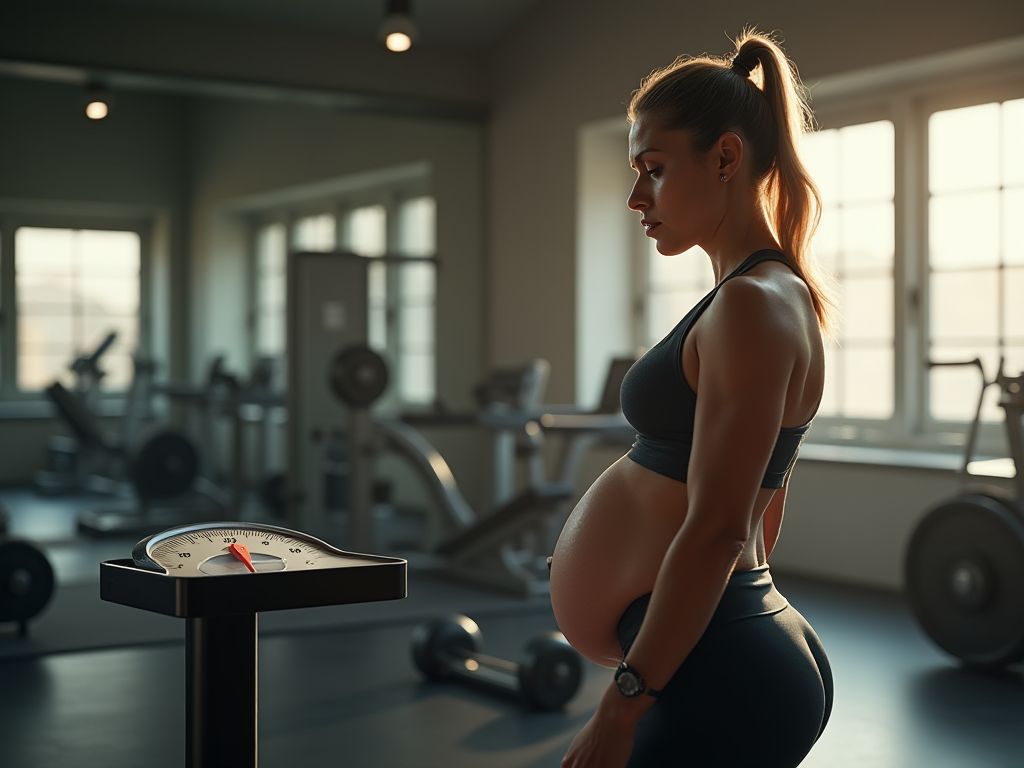
Understanding Hormonal Weight Gain for Athletes Over 40: A Comprehensive Guide
As athletes age, the battle against weight gain becomes increasingly complex. For individuals over 40, hormonal shifts play a pivotal role in metabolism, fat storage, and muscle retention. This article explores the science behind hormonal weight gain, tailored specifically for athletes, and offers actionable strategies to maintain performance and physique.
1. The Hormonal Shifts of Aging
After 40, the body undergoes significant hormonal changes. Declines in estrogen (in women) and testosterone (in men), along with reduced growth hormone and increased cortisol, can disrupt metabolic balance. These shifts affect muscle mass, fat distribution, and energy levels, making weight management more challenging for athletes.
2. Estrogen and Testosterone: The Double-Edged Sword
- Estrogen Decline: Lower estrogen levels in women can lead to increased visceral fat storage, particularly around the abdomen, even with regular exercise.
- Testosterone Decline: Reduced testosterone in men decreases muscle mass and increases fat retention. Athletes may notice reduced strength and endurance despite consistent training.
3. Cortisol: The Stress Hormone’s Role
Chronically elevated cortisol levels—often due to stress, poor sleep, or overtraining—can promote fat accumulation, especially in the midsection. For athletes, managing stress and recovery is crucial to counteract this effect.
4. Insulin Resistance and Metabolic Slowing
Insulin sensitivity decreases with age, making it harder for the body to use glucose for energy. This can lead to increased fat storage and reduced muscle growth, even with a balanced diet and exercise routine.
5. Thyroid Function: The Metabolism Regulator
Hypothyroidism becomes more common after 40, slowing metabolism and contributing to weight gain. Athletes should monitor symptoms like fatigue, cold intolerance, and weight fluctuations, and consult a healthcare provider if needed.
6. Growth Hormone: The Anti-Aging Hormone
Growth hormone (GH) levels peak in youth and decline with age. Lower GH reduces fat burning and muscle synthesis, making it harder to maintain a lean physique. Sleep, nutrition, and resistance training can help optimize GH production.
7. Leptin and Ghrelin: The Hunger Hormones
- Leptin Resistance: This occurs when the brain doesn’t respond to signals of fullness, leading to overeating and fat storage.
- Ghrelin Surge: Increased ghrelin (the “hunger hormone”) can trigger cravings for high-calorie foods, complicating dietary control for athletes.
8. Sleep and Circadian Rhythm Disruption
Poor sleep disrupts hormonal balance, increasing cortisol and ghrelin while reducing leptin and growth hormone. Athletes should prioritize 7-9 hours of quality sleep to support metabolism and recovery.
9. Menopause and Hormonal Weight Gain in Women
Menopause brings a sharp drop in estrogen, leading to fat redistribution toward the abdomen and hips. Strength training and a diet rich in phytoestrogens (e.g., flaxseeds, soy) can mitigate these changes.
10. Diet and Nutrition: The Foundation of Hormonal Balance
- Protein Intake: Higher protein consumption preserves muscle mass and boosts satiety.
- Fiber and Healthy Fats: Support hormonal balance and reduce inflammation.
- Limit Sugar and Processed Foods: These can exacerbate insulin resistance and hormonal imbalances.
Frequently Asked Questions
Can exercise alone counteract hormonal weight gain?
While exercise is essential, hormonal changes require a holistic approach, including diet, sleep, and stress management. Resistance training and high-intensity interval training (HIIT) are particularly effective for older athletes.
How does menopause affect athletic performance?
Menopause can reduce muscle strength and increase fat mass, but with proper nutrition and training, athletes can maintain performance. Focus on strength and flexibility exercises to adapt to hormonal changes.
Are supplements helpful for hormonal balance?
Supplements like vitamin D, magnesium, and omega-3s may support hormonal health, but consult a healthcare provider before starting any regimen. Prioritize whole foods for optimal results.
Conclusion: Embrace a Holistic Approach
Hormonal weight gain after 40 is a natural part of aging, but it doesn’t have to derail athletic goals. By understanding the science, adapting training and nutrition, and prioritizing recovery, athletes can maintain a lean, strong physique. Consistency, patience, and a personalized approach are key to thriving in both performance and health as you age.
Scientific References & Medical Evidence
- "International society of sports nutrition position stand: nutritional concerns of the female athlete." (2023) View study on PubMed.gov →
- "Urinary incontinence in female athletes: a systematic review." (2018) View study on PubMed.gov →
CureCurious verifies facts through peer-reviewed research.
You might also like


Recommended for your journey
We've handpicked this top-rated health tool to help you achieve the results discussed in this article.
Check Price on Amazon*As an Amazon Associate, CureCurious.com earns from qualifying purchases. This helps us keep our research free for everyone.

Written by Dr. Sarah Mitchell
Nutrition Expert & MD
"Dr. Sarah Mitchell is a board-certified nutritionist with over 15 years of experience in clinical dietetics. She specializes in metabolic health and gut microbiome research."