How Heart Rhythm Issues From Stimulants Impacts Long Term Health In Sedentary People
Published on December 15, 2025
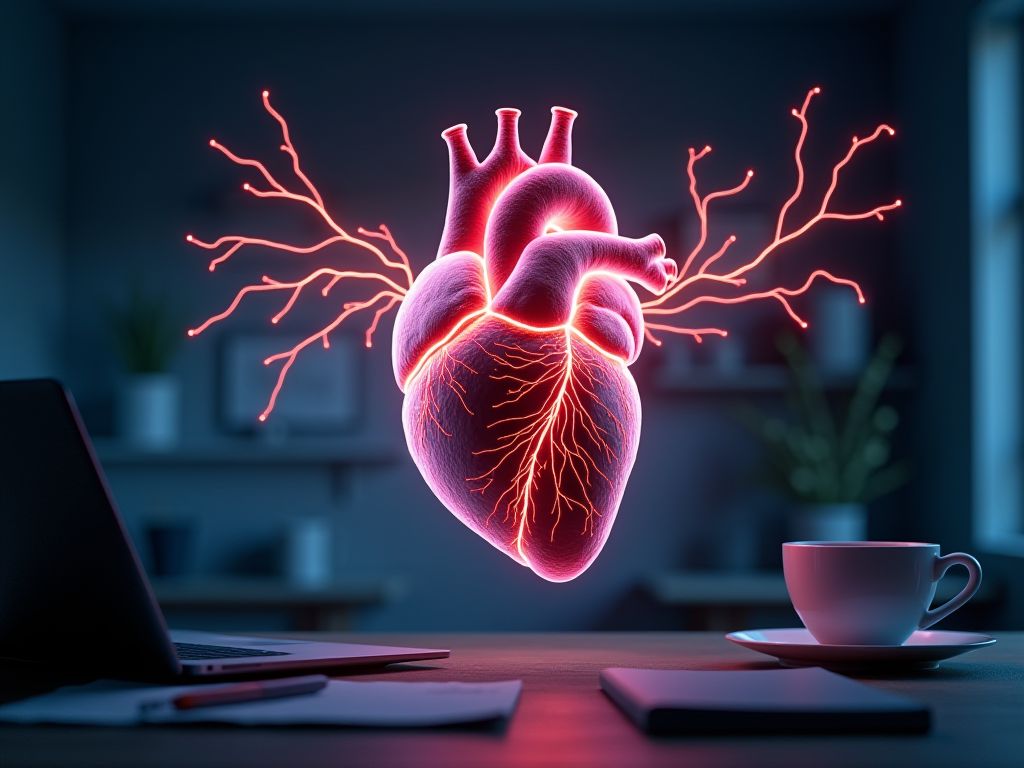
The Hidden Dangers: How Stimulant-Induced Heart Rhythm Issues Affect Long-Term Health in Sedentary Individuals
Heart rhythm issues, or arrhythmias, are often associated with aging or genetic predispositions. However, modern lifestyles—particularly the combination of stimulant use and sedentary behavior—can significantly increase the risk of long-term cardiac complications. This article explores how stimulants like caffeine, nicotine, and synthetic compounds disrupt heart rhythms in individuals who lead inactive lives, and the cumulative effects on cardiovascular health over time.
1. Understanding Stimulants and Their Impact on the Heart
Stimulants are substances that increase alertness, energy, and heart rate by stimulating the central nervous system. Common stimulants include:
- Caffeine (found in coffee, energy drinks, and tea)
- Nicotine (from cigarettes and vaping products)
- Synthetic stimulants (e.g., amphetamines, Adderall, and illicit drugs like methamphetamine)
These substances trigger the release of adrenaline and other stress hormones, which can elevate heart rate and blood pressure. While occasional use may be harmless, chronic exposure—especially in sedentary individuals—can lead to persistent cardiac strain.
2. How Stimulants Disrupt Heart Rhythm
The heart’s rhythm is regulated by electrical signals generated by the sinoatrial node. Stimulants can interfere with this process in several ways:
- Increased sympathetic nervous system activity: Stimulants activate the "fight-or-flight" response, causing the heart to beat faster and irregularly.
- Electrolyte imbalances: Excessive stimulant use can lead to dehydration and electrolyte loss (e.g., potassium, magnesium), which are critical for proper heart function.
- Myocardial stress: Prolonged stimulant exposure can cause the heart muscle to thicken or weaken, increasing the risk of arrhythmias.
3. Sedentary Lifestyle: A Silent Contributor
Sedentary behavior—such as prolonged sitting—compounds the risks of stimulant-induced arrhythmias. Lack of physical activity reduces cardiovascular fitness, weakens heart muscles, and promotes inflammation. This creates a "perfect storm" where stimulants and inactivity work together to damage the heart over time.
4. Long-Term Risks of Chronic Stimulant Use in Sedentary Individuals
Over time, the combination of stimulants and sedentary habits can lead to:
- Chronic hypertension: Elevated blood pressure due to constant stimulant use and poor circulation.
- Cardiomyopathy: Weakening of the heart muscle, increasing the risk of heart failure.
- Persistent arrhythmias: Irregular heartbeats that may progress to life-threatening conditions like atrial fibrillation.
5. The Role of Inflammation and Oxidative Stress
Sedentary lifestyles and stimulant use both contribute to systemic inflammation and oxidative stress. These processes damage heart tissue and disrupt the electrical signaling required for regular heartbeats. Over time, this can lead to fibrosis (scarring) of the heart muscle, further impairing rhythm.
6. Synergistic Effects: Stimulants + Sedentary Behavior = Amplified Risk
When stimulant use and sedentary habits coexist, the risks multiply. For example:
- Excessive caffeine intake combined with prolonged sitting can cause palpitations and tachycardia (abnormally fast heart rate).
- Nicotine use in sedentary individuals increases the risk of coronary artery disease, which can worsen arrhythmias.
7. Psychological and Behavioral Factors
Sedentary individuals often experience higher stress and anxiety, which can exacerbate stimulant use as a coping mechanism. This creates a vicious cycle: stress → stimulant use → increased heart strain → sedentary behavior → worsened mental health.
8. Medical Monitoring and Early Detection
Early detection is crucial for mitigating long-term damage. Sedentary individuals who use stimulants should undergo regular cardiovascular checkups, including:
- Electrocardiograms (ECGs): To detect arrhythmias and other electrical abnormalities.
- Stress tests: To assess how the heart responds to physical exertion.
- Blood tests: To monitor electrolyte levels and signs of inflammation.
9. Prevention and Management Strategies
Reducing the risk of stimulant-induced heart rhythm issues involves a multifaceted approach:
- Lifestyle changes: Incorporate regular physical activity, even in small increments (e.g., walking 30 minutes daily).
- Stimulant moderation: Limit caffeine intake to 400 mg/day and avoid illicit stimulants.
- Stress management: Practice mindfulness, meditation, or therapy to reduce reliance on stimulants.
10. The Importance of Professional Guidance
For individuals struggling with stimulant use or sedentary habits, seeking help from healthcare providers is essential. A cardiologist or primary care physician can create a personalized plan to address both physical and behavioral health needs.
Frequently Asked Questions (FAQ)
Q1: Can moderate stimulant use in sedentary individuals be safe?
A: Even moderate use can pose risks, especially if combined with a sedentary lifestyle. The key is balance—limiting stimulants and incorporating regular movement.
Q2: How can I reverse the damage from stimulant-induced heart issues?
A: Early intervention through lifestyle changes, medical monitoring, and reducing stimulant intake can significantly improve heart health over time.
Q3: Are there alternatives to stimulants for boosting energy?
A: Yes—exercise, adequate sleep, and a balanced diet rich in nutrients like magnesium and potassium can naturally enhance energy levels without harming the heart.
Conclusion
The interplay between stimulant use and sedentary behavior creates a unique set of risks for long-term heart health. By understanding these dangers and taking proactive steps—such as reducing stimulant intake, staying active, and seeking medical guidance—individuals can protect their cardiovascular systems and improve their overall quality of life. The heart is resilient, but it requires care and attention to thrive in the modern world.
You might also like


Recommended for your journey
We've handpicked this top-rated health tool to help you achieve the results discussed in this article.
Check Price on Amazon*As an Amazon Associate, CureCurious.com earns from qualifying purchases. This helps us keep our research free for everyone.

Written by Dr. Sarah Mitchell
Nutrition Expert & MD
"Dr. Sarah Mitchell is a board-certified nutritionist with over 15 years of experience in clinical dietetics. She specializes in metabolic health and gut microbiome research."