How To Improve Mediterranean Diet With Lifestyle Changes
Published on December 11, 2025
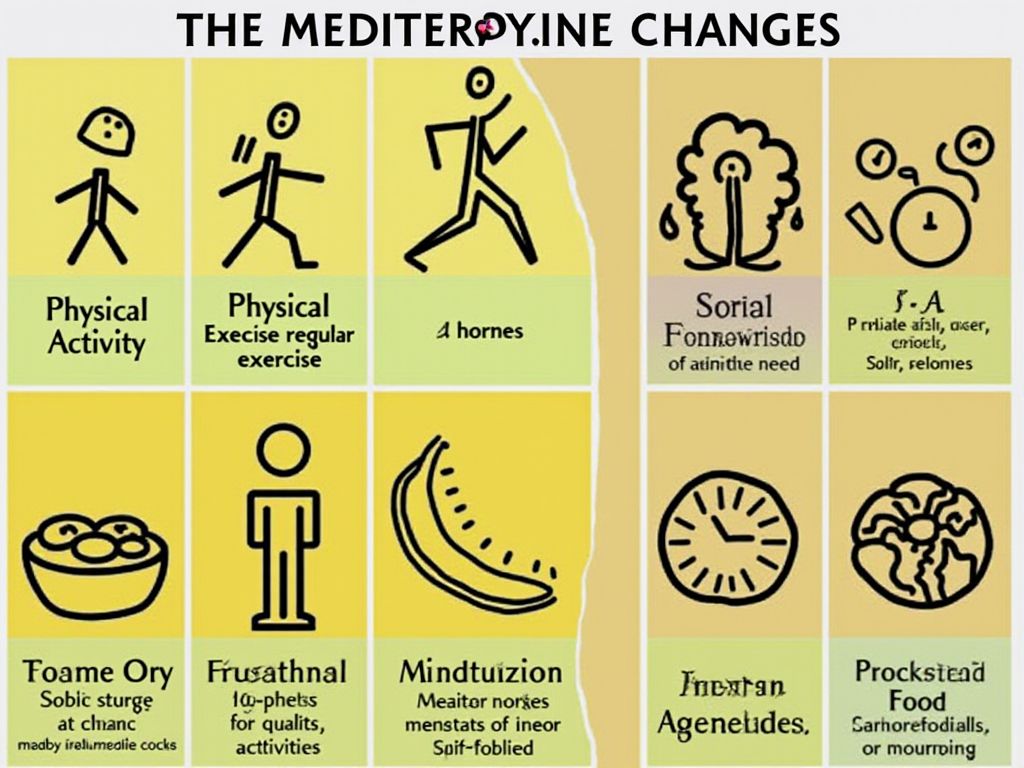
Enhancing the Mediterranean Diet: A Holistic Approach to Healthier Living
The Mediterranean diet has long been celebrated for its heart-healthy benefits and association with longevity. However, to fully harness its potential, it’s essential to pair it with lifestyle changes that amplify its effects. This article explores 10 science-backed strategies to elevate your Mediterranean diet, from optimizing nutrition to fostering mind-body wellness. Let’s dive into how small, intentional changes can transform your health.
1. Prioritize Whole, Unprocessed Foods
The Mediterranean diet emphasizes whole foods like fruits, vegetables, whole grains, legumes, and nuts. To enhance it, minimize processed foods high in added sugars, trans fats, and sodium. Choose fresh, seasonal produce and avoid pre-packaged meals. Studies show that diets rich in whole foods reduce inflammation and improve metabolic health.
2. Increase Daily Intake of Fruits and Vegetables
Aim for at least 5 servings of fruits and vegetables daily. These are packed with antioxidants, vitamins, and fiber that support digestion and immunity. Incorporate leafy greens, citrus fruits, and colorful vegetables like bell peppers and eggplant into meals. A 2021 study in Nutrients found that higher fruit and vegetable consumption is linked to lower rates of chronic disease.
3. Incorporate Healthy Fats Strategically
Olive oil, nuts, and fatty fish like salmon are cornerstones of the Mediterranean diet. To enhance it, use olive oil as your primary cooking fat and add a handful of almonds or walnuts to meals. Omega-3 fatty acids from fish reduce inflammation and support brain health. The American Heart Association recommends eating fatty fish at least twice weekly.
4. Focus on Lean Proteins and Plant-Based Sources
While fish and poultry are staples, plant-based proteins like legumes, lentils, and tofu should be prioritized. These provide protein without saturated fats. A 2020 review in The Lancet highlighted that plant-based diets reduce the risk of heart disease and type 2 diabetes. Replace red meat with legumes for a nutrient-dense alternative.
5. Stay Hydrated with Herbal Teas and Water
Hydration is critical for metabolic function and digestion. Replace sugary drinks with herbal teas like green tea or infusions of mint and lemon. Water also helps maintain satiety, reducing overeating. The European Food Safety Authority recommends 2.5 liters of fluid daily for adults.
6. Embrace Regular Physical Activity
The Mediterranean lifestyle is inherently active, with walking, cycling, and gardening as daily habits. Aim for 150 minutes of moderate exercise weekly, such as brisk walking or swimming. Physical activity boosts cardiovascular health and enhances the diet’s anti-inflammatory benefits.
7. Cultivate Quality Sleep Patterns
Consistent sleep (7–9 hours) supports metabolic balance and hormonal regulation. Poor sleep disrupts appetite hormones, increasing cravings for unhealthy foods. Create a bedtime routine free of screens and ensure a dark, cool sleeping environment.
8. Practice Mindful Eating and Portion Control
Eating slowly and savoring each bite improves digestion and prevents overeating. Use smaller plates to control portions and avoid eating directly from large containers. Mindful eating reduces stress-related snacking and aligns with the Mediterranean emphasis on enjoying meals.
9. Reduce Stress Through Meditation and Social Connection
Chronic stress undermines health and can lead to poor dietary choices. Incorporate mindfulness practices like meditation or yoga, and prioritize time with loved ones. Social bonds are a hallmark of the Mediterranean lifestyle and are linked to lower rates of depression and anxiety.
10. Engage in Community and Cultural Practices
Participate in communal meals, cooking classes, or local food festivals to deepen your connection to the Mediterranean diet. Cultural traditions like shared dining and seasonal eating foster sustainability and joy in eating.
Frequently Asked Questions (FAQ)
Q: Can I follow the Mediterranean diet on a budget?
A: Yes! Focus on affordable staples like legumes, seasonal produce, and whole grains. Buy in bulk and minimize processed foods to save money.
Q: How do I stay motivated to make lifestyle changes?
A: Set small, achievable goals and track progress. Celebrate non-scale victories, like increased energy or better sleep.
Q: Is the Mediterranean diet suitable for people with dietary restrictions?
A: Yes! It can be adapted for vegetarians, vegans, and those with allergies by substituting ingredients while maintaining nutrient density.
Conclusion: A Path to Lasting Health
Enhancing the Mediterranean diet with lifestyle changes is a powerful way to improve physical and mental well-being. By combining nutrient-rich foods with regular activity, quality sleep, and social connection, you create a holistic approach to health that supports longevity and vitality. Remember, progress is more important than perfection—start with one change and build from there. Your body and mind will thank you.
Scientific References & Medical Evidence
- "Modern vision of the Mediterranean diet." (2022) View study on PubMed.gov →
- "Mediterranean Diet In Healthy Aging." (2021) View study on PubMed.gov →
CureCurious verifies facts through peer-reviewed research.
You might also like


Recommended for your journey
We've handpicked this top-rated health tool to help you achieve the results discussed in this article.
Check Price on Amazon*As an Amazon Associate, CureCurious.com earns from qualifying purchases. This helps us keep our research free for everyone.

Written by Dr. Sarah Mitchell
Nutrition Expert & MD
"Dr. Sarah Mitchell is a board-certified nutritionist with over 15 years of experience in clinical dietetics. She specializes in metabolic health and gut microbiome research."