How Vascular Stiffness And Recreational Drug Use Impacts Long Term Health
Published on December 15, 2025
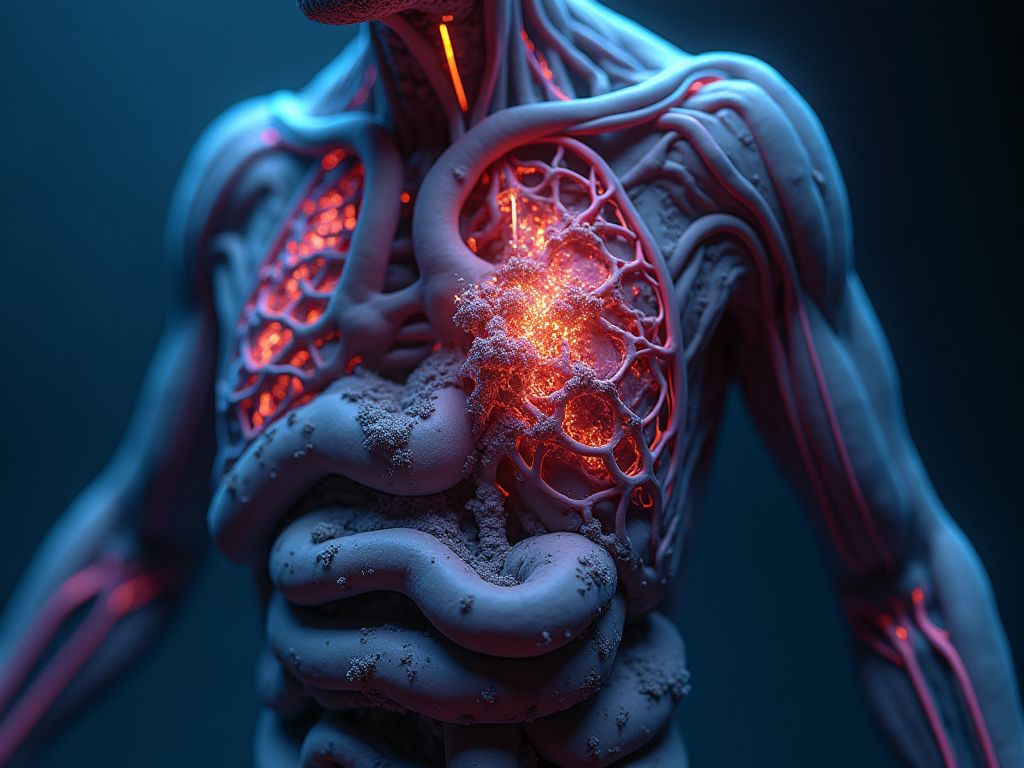
Understanding Vascular Stiffness and Recreational Drug Use: A Long-Term Health Perspective
Vascular stiffness, a hallmark of aging and chronic disease, refers to the loss of elasticity in blood vessels. When combined with recreational drug use, the risks to long-term health escalate dramatically. This article explores the intricate relationship between vascular health and substance abuse, detailing how these factors interact to impact cardiovascular function, cognitive health, and overall longevity.
What Is Vascular Stiffness?
Vascular stiffness occurs when the arteries lose their ability to expand and contract in response to blood flow. This condition is often linked to aging, hypertension, and chronic inflammation. Stiff arteries increase blood pressure, reduce blood flow to vital organs, and elevate the risk of heart disease, stroke, and kidney failure.
Recreational Drugs and Their Impact on Vascular Health
Recreational drugs, including stimulants, depressants, and hallucinogens, can directly damage vascular tissues. For example:
- Cocaine and amphetamines: Cause acute vasoconstriction, leading to hypertension and endothelial dysfunction.
- Alcohol: Promotes oxidative stress and chronic inflammation, accelerating atherosclerosis.
- Opioids: May lead to vasodilation and hypotension, but long-term use can cause endothelial damage.
Mechanisms of Drug-Induced Vascular Damage
Drugs interfere with vascular health through multiple pathways:
- Endothelial dysfunction: Impairs the ability of blood vessels to regulate blood flow and maintain homeostasis.
- Inflammation: Chronic drug use triggers inflammatory responses that damage arterial walls.
- Oxidative stress: Free radicals generated by drugs accelerate arterial aging and plaque formation.
Long-Term Cardiovascular Consequences
Prolonged vascular stiffness and drug use synergistically increase the risk of:
- Coronary artery disease
- Heart failure
- Arrhythmias
- Peripheral artery disease
The Role of Chronic Inflammation
Both vascular stiffness and drug use contribute to a cycle of chronic inflammation. This inflammation not only harms the vascular system but also affects other organs, such as the liver, kidneys, and brain, leading to systemic health decline.
Neurovascular Coupling and Cognitive Decline
Impaired vascular function reduces blood flow to the brain, compromising neurovascular coupling—the process by which neurons signal blood vessels to increase oxygen and nutrient delivery. This can lead to cognitive decline, dementia, and increased risk of stroke.
Drug Use and Accelerated Aging
Studies suggest that recreational drug use can accelerate vascular aging by decades. For instance, chronic cocaine use has been linked to arterial stiffness comparable to that of someone 20 years older, significantly increasing mortality risk.
Prevention and Management Strategies
Mitigating the effects of vascular stiffness and drug use involves:
- Lifestyle changes: Exercise, balanced diet, and stress reduction.
- Medical interventions: Antihypertensive medications, anti-inflammatory drugs, and vascular imaging.
- Substance abuse treatment: Counseling, support groups, and medically supervised detox.
The Psychological and Social Dimensions
Mental health challenges, such as anxiety and depression, often co-occur with vascular issues and drug use. Addressing these through therapy and social support is critical for long-term recovery and vascular health.
Frequently Asked Questions
1. Can vascular stiffness be reversed?
While some damage is irreversible, lifestyle changes like exercise, a heart-healthy diet, and managing blood pressure can slow or even reverse early-stage vascular stiffness.
2. How do stimulants like methamphetamine affect arteries?
Methamphetamine causes acute vasoconstriction and chronic endothelial damage, leading to long-term arterial stiffness and increased risk of heart attack.
3. Is there a safe level of alcohol consumption for vascular health?
Excessive alcohol use is harmful, but moderate consumption (1 drink per day for women, 2 for men) may have minimal impact. Always consult a healthcare provider.
4. Can quitting drugs improve vascular health?
Yes, quitting drugs can halt further vascular damage and allow some recovery, especially when combined with healthy lifestyle choices.
5. Are younger users at higher risk for vascular damage?
Younger individuals may experience more severe vascular damage due to the body’s heightened sensitivity to drugs, but all ages are at risk.
Conclusion
Vascular stiffness and recreational drug use create a dangerous synergy that undermines long-term health. By understanding these risks and adopting proactive strategies, individuals can protect their vascular system and improve quality of life. Prioritizing health, seeking treatment for substance use, and embracing preventive care are essential steps toward a healthier future.
Scientific References & Medical Evidence
- "The effects of heliox non-saturation diving on the cardiovascular system and cognitive functions." (2020) View study on PubMed.gov →
CureCurious verifies facts through peer-reviewed research.
You might also like


Recommended for your journey
We've handpicked this top-rated health tool to help you achieve the results discussed in this article.
Check Price on Amazon*As an Amazon Associate, CureCurious.com earns from qualifying purchases. This helps us keep our research free for everyone.

Written by Dr. Sarah Mitchell
Nutrition Expert & MD
"Dr. Sarah Mitchell is a board-certified nutritionist with over 15 years of experience in clinical dietetics. She specializes in metabolic health and gut microbiome research."