How Vitamin Depletion From Alcohol And Air Pollution Exposure Impacts Long Term Health
Published on December 16, 2025
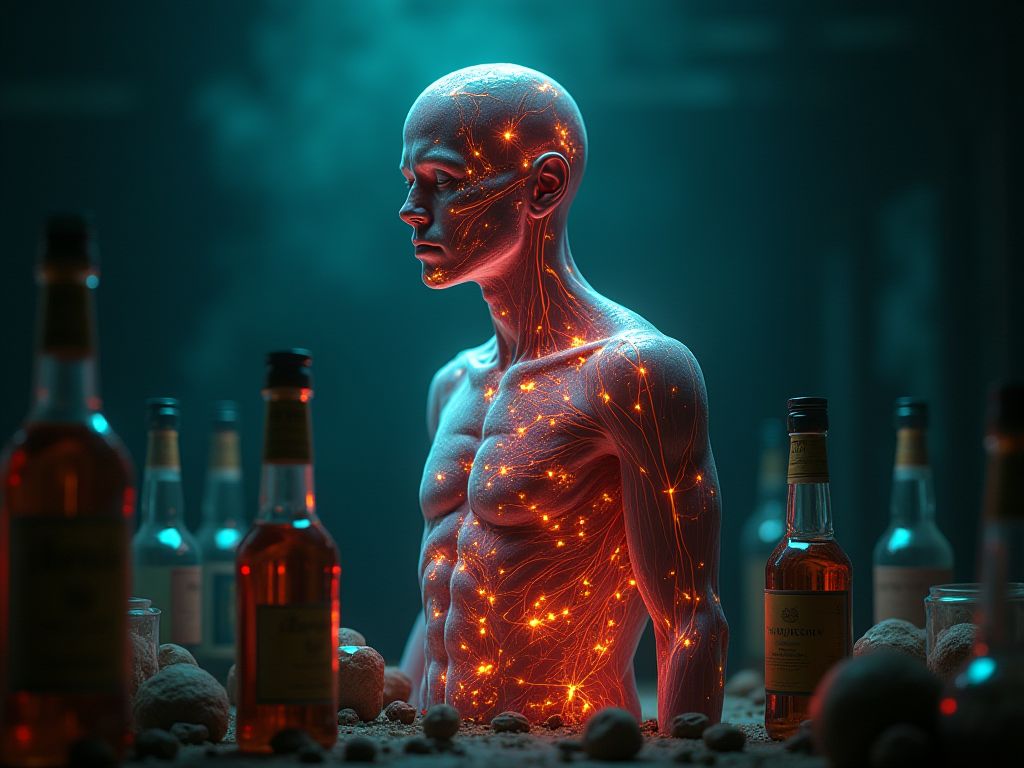
The Hidden Health Crisis: How Vitamin Depletion from Alcohol and Air Pollution Harms Long-Term Well-Being
Millions of people worldwide face a silent but pervasive health threat: vitamin depletion caused by alcohol consumption and exposure to air pollution. These two factors—often considered separate issues—interact in complex ways to erode essential nutrients, weakening the body’s defenses and increasing the risk of chronic diseases. This article explores the science behind this phenomenon, its long-term consequences, and strategies to mitigate harm.
1. Alcohol’s Role in Nutrient Depletion
Alcohol consumption disrupts nutrient absorption, metabolism, and storage in several ways:
- Impaired Gut Function: Alcohol damages the lining of the gastrointestinal tract, reducing the absorption of vitamins like B1 (thiamine), B6, and folate.
- Increased Metabolic Demand: The liver prioritizes metabolizing alcohol over other nutrients, leading to deficiencies in vitamins A, C, and B12.
- Malnutrition Risk: Chronic drinking often correlates with poor diet, exacerbating deficiencies in essential micronutrients.
2. Air Pollution’s Impact on Vitamin Levels
Air pollution, particularly from particulate matter (PM2.5) and nitrogen dioxide (NO2), depletes vitamins through oxidative stress and inflammation:
- Oxidative Damage: Pollutants generate free radicals that consume antioxidants like vitamin C and E, leaving the body vulnerable to cellular damage.
- Reduced Skin Absorption: UV radiation from ozone and other pollutants may interfere with vitamin D synthesis in the skin.
- Respiratory Inflammation: Chronic exposure to pollutants increases inflammation, which can deplete vitamin B12 and folate stores.
3. The Synergistic Effect of Alcohol and Pollution
Alcohol and air pollution often act together, compounding their harmful effects:
- Amplified Oxidative Stress: Alcohol increases free radical production, while pollution adds more, overwhelming the body’s antioxidant systems.
- Worsened Nutrient Deficiencies: Both factors target the same vitamins (e.g., B1, C, D), creating a “double hit” on immune and metabolic health.
- Increased Chronic Disease Risk: The combination elevates the risk of conditions like liver disease, cardiovascular problems, and neurodegenerative disorders.
4. Vitamin B1 (Thiamine) Depletion and Neurological Damage
Vitamin B1 is critical for brain function. Depletion from alcohol or pollution can lead to:
- Wernicke-Korsakoff Syndrome: A severe neurological disorder linked to chronic alcohol use and thiamine deficiency.
- Cognitive Decline: Long-term thiamine deficiency increases the risk of dementia and memory loss.
5. Vitamin C Deficiency and Immune System Weakening
Vitamin C is essential for immune function. Its depletion from alcohol and pollution leads to:
- Increased Infection Risk: Lower vitamin C levels reduce white blood cell activity, making the body more susceptible to infections.
- Slower Wound Healing: Alcohol and pollution both impair collagen synthesis, which relies on vitamin C.
6. Vitamin D Deficiency and Chronic Inflammation
Vitamin D regulates immune responses and reduces inflammation. Its depletion from pollution and alcohol leads to:
- Autoimmune Diseases: Low vitamin D is linked to higher rates of conditions like multiple sclerosis and rheumatoid arthritis.
- Cardiovascular Issues: Chronic inflammation from vitamin D deficiency increases the risk of heart disease and stroke.
7. Folate (B9) Depletion and DNA Damage
Folate is crucial for DNA synthesis and repair. Its depletion from alcohol and pollution can cause:
- Increased Cancer Risk: Folate deficiency is associated with higher rates of colorectal and breast cancers.
- Pregnancy Complications: Low folate levels during pregnancy increase the risk of neural tube defects in babies.
8. Vitamin B12 Deficiency and Neurological Disorders
Vitamin B12 supports nerve function and red blood cell production. Its depletion leads to:
- Peripheral Neuropathy: Tingling, numbness, and muscle weakness due to nerve damage.
- Anemia: Reduced red blood cell production causes fatigue, dizziness, and shortness of breath.
9. Long-Term Health Consequences: A Holistic View
The combined effects of vitamin depletion from alcohol and pollution can lead to:
- Accelerated Aging: Oxidative stress and nutrient deficiencies contribute to premature aging of skin, organs, and cells.
- Chronic Fatigue: Persistent energy depletion from B-vitamin deficiencies affects daily functioning.
- Mental Health Issues: Deficiencies in B12, folate, and vitamin D are linked to depression and anxiety.
10. Strategies to Mitigate Vitamin Depletion
Protecting your health requires proactive steps:
- Dietary Interventions: Increase intake of foods rich in B-vitamins (leafy greens, eggs), vitamin C (citrus fruits), and vitamin D (fatty fish, fortified dairy).
- Supplementation: Consult a healthcare provider about vitamin supplements, especially if you live in a polluted area or consume alcohol regularly.
- Pollution Avoidance: Use air purifiers, wear masks in high-pollution zones, and advocate for cleaner environments.
- Alcohol Moderation: Limit alcohol intake to reduce nutrient loss and liver damage.
FAQ: Common Questions About Vitamin Depletion
Q: Can I recover from vitamin deficiencies caused by alcohol and pollution?
A: Yes, with proper nutrition, supplementation, and reduced exposure to harmful substances. However, long-term damage may require medical intervention.
Q: Are certain populations more vulnerable?
A: Yes—children, the elderly, pregnant women, and those with preexisting health conditions are at higher risk due to weaker immune systems or increased nutrient demands.
Q: How can I test my vitamin levels?
A: Blood tests for B12, folate, vitamin D, and C can be done through a healthcare provider. At-home kits are also available, though they may have limited accuracy.
Q: Is pollution the only environmental factor that affects vitamins?
A: No—other factors like poor diet, smoking, and excessive sun exposure also play roles. However, pollution and alcohol are two of the most significant contributors.
Conclusion: Taking Control of Your Health
The link between vitamin depletion from alcohol and air pollution is a critical public health issue that demands attention. By understanding the science behind these deficiencies and taking proactive steps—whether through diet, supplementation, or environmental advocacy—we can protect our long-term health. The journey to wellness begins with awareness, and every small change can make a profound difference in the years ahead.
Scientific References & Medical Evidence
- "Vitamin B12 in health and disease." (2010) View study on PubMed.gov →
- "Long-term Metformin Use and Vitamin B12 Deficiency in the Diabetes Prevention Program Outcomes Study." (2016) View study on PubMed.gov →
CureCurious verifies facts through peer-reviewed research.
You might also like


Recommended for your journey
We've handpicked this top-rated health tool to help you achieve the results discussed in this article.
Check Price on Amazon*As an Amazon Associate, CureCurious.com earns from qualifying purchases. This helps us keep our research free for everyone.

Written by Dr. Sarah Mitchell
Nutrition Expert & MD
"Dr. Sarah Mitchell is a board-certified nutritionist with over 15 years of experience in clinical dietetics. She specializes in metabolic health and gut microbiome research."