Long Term Consequences Of Neurotoxicity From Substances And Vaping
Published on December 22, 2025
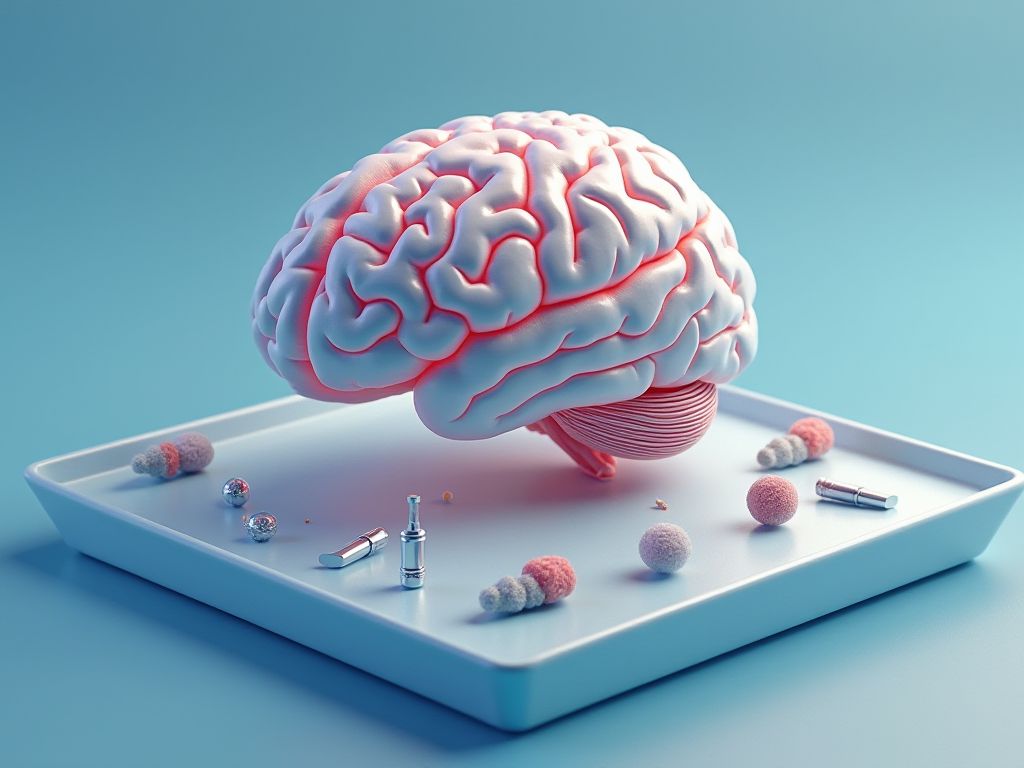
Brain on Fire: The Hidden Damage of Neurotoxicity from Substances and Vaping
Did you know your brain is more fragile than you think? Neurotoxicity from drugs, alcohol, and even vaping isn’t just a short-term problem—it’s a ticking time bomb for your long-term health. Let’s break down the fallout and how to protect your mind.
Why Neurotoxicity Matters (And Why You Should Care)
Neurotoxins—substances that damage the nervous system—are everywhere. From illicit drugs to e-cigarettes, they’re quietly rewriting your brain’s wiring. Over time, this can lead to irreversible harm. Here’s what you’re risking:
7 Long-Term Consequences of Neurotoxicity
1. Cognitive Decline: Your Brain’s Memory Bank Crumbles
Chronic exposure to neurotoxins (like alcohol or THC) can shrink brain regions tied to memory and learning. Think of your brain as a library—each hit of a neurotoxin burns down shelves.
2. Mental Health Meltdown: Anxiety, Depression, and More
Substances like meth or even vaping chemicals disrupt neurotransmitter balance. This leads to chronic anxiety, depression, and even psychosis in severe cases. Your brain’s “happy chemicals” get hijacked.
3. Neurodegenerative Diseases: Early Signs of Alzheimer’s and Parkinson’s
Studies link long-term substance use to early-onset dementia and Parkinson’s. Neurotoxins accelerate the death of brain cells, making your brain more vulnerable to these diseases.
4. Addiction Loop: Your Brain’s Reward System is Hijacked
Drugs and vaping chemicals flood your brain with dopamine, rewiring it to crave more. Over time, this creates a cycle where your brain literally needs the substance to feel normal.
5. Sensory and Motor Impairments: Your Body Loses Control
Neurotoxins can damage nerves and muscles, leading to tremors, loss of coordination, and even chronic pain. Imagine your body’s “wiring” getting frayed over years.
6. Hormonal Chaos: Thyroid, Adrenal, and Reproductive Issues
Many neurotoxins disrupt hormone production, leading to fatigue, infertility, and mood swings. Your endocrine system becomes a battleground for toxic overload.
7. Immune System Collapse: Your Body Can’t Fight Back
Chronic neurotoxic exposure weakens immunity, making you prone to infections and even cancer. Your body’s defense system becomes a casualty in the war against toxins.
What You Can Do Right Now
Don’t wait for symptoms. Here’s your action plan:
- ✅ Cut out all neurotoxic substances immediately—no exceptions.
- ✅ Boost brain health with omega-3s, antioxidants, and sleep.
- ✅ Get regular check-ups to catch early damage.
- ✅ Support your liver and kidneys with detoxifying foods (like cruciferous veggies).
- ✅ Consider neurofeedback therapy to retrain your brain.
But if you’re struggling to quit or need extra support, there’s a tool that could help you track your progress and stay on track.
Recommended for your journey
We've handpicked this top-rated health tool to help you achieve the results discussed in this article.
Check Price on Amazon*As an Amazon Associate, CureCurious.com earns from qualifying purchases.
Summary: Your Brain is Worth It
Neurotoxicity isn’t just a “one-time” issue—it’s a slow burn that can destroy your mind and body. But with action, you can reverse damage and protect your future. Your brain is your most valuable asset—don’t let toxins steal it.
Scientific References
- "Neurotoxicity of e-cigarettes." (2020) View Study →
- "Exploring the potential neurotoxicity of vaping vitamin E or vitamin E acetate." (2022) View Study →



Written by Mark Davies
Certified Fitness Coach
"Mark is a certified strength and conditioning specialist (CSCS). He helps people build sustainable fitness habits and recover from sports injuries."