Long Term Consequences Of Reduced Endurance From Smoking In Active Adults
Published on December 15, 2025
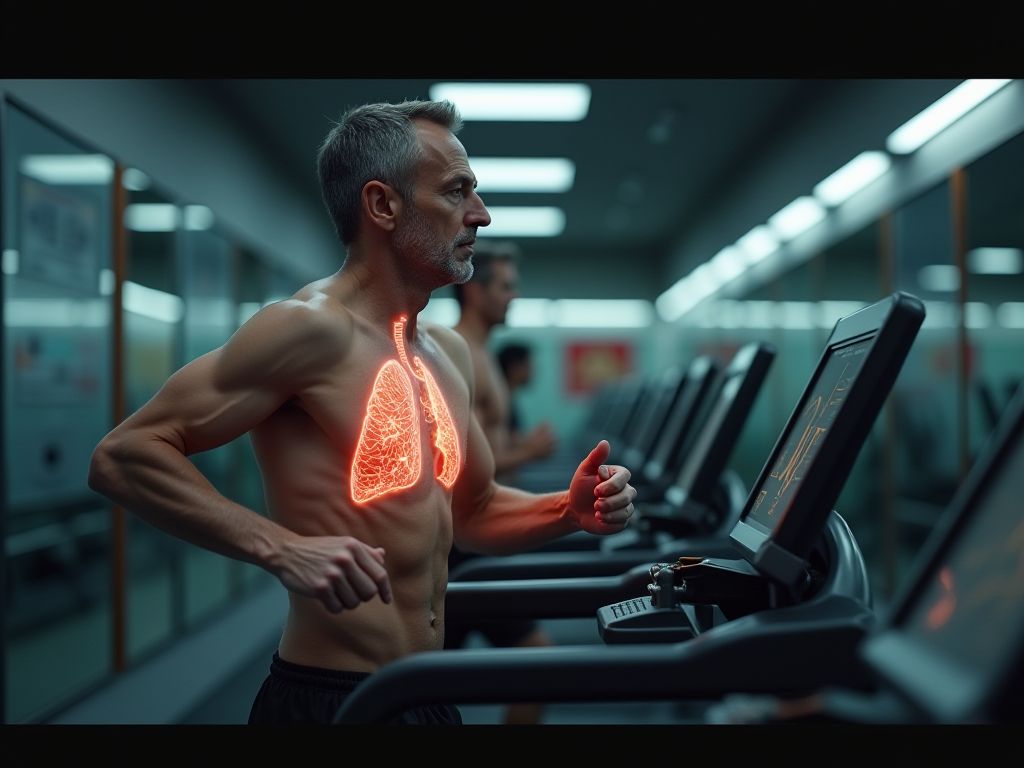
Understanding the Long-Term Consequences of Reduced Endurance from Smoking in Active Adults
Smoking is a well-known health hazard, but its long-term impact on endurance in active adults is often underestimated. While many smokers maintain a physically active lifestyle, the cumulative damage from tobacco use can significantly impair cardiovascular and respiratory function, leading to diminished stamina and increased risk of chronic diseases. This article explores the science behind how smoking reduces endurance over time and the consequences for those who remain physically active.
1. Respiratory System Damage
Smoking damages the respiratory system by reducing lung capacity and impairing oxygen exchange. Over time, the alveoli in the lungs become inflamed and destroyed, a condition known as emphysema. This reduces the efficiency of oxygen absorption, forcing the body to work harder during physical activity. Active adults may notice increased breathlessness during workouts, even at moderate intensities.
2. Cardiovascular Strain
Tobacco smoke contains chemicals that constrict blood vessels and increase heart rate. Chronic exposure leads to atherosclerosis (hardening of the arteries), which reduces blood flow to muscles and organs. This compromises the heart’s ability to pump blood efficiently, making even simple tasks feel exhausting over time.
3. Mitochondrial Dysfunction
Mitochondria, the energy-producing structures in cells, are highly sensitive to toxins in cigarette smoke. Long-term smoking disrupts mitochondrial function, reducing the body’s capacity to generate ATP (energy). This directly impacts endurance, as muscles cannot sustain prolonged activity without adequate energy supply.
4. Oxidative Stress and Inflammation
Smoking introduces free radicals into the body, which cause oxidative stress and chronic inflammation. These processes damage tissues, including muscle fibers and blood vessels, over decades. Inflammation also impairs recovery, making it harder for active adults to bounce back from workouts.
5. Reduced VO2 Max
VO2 max, the measure of maximum oxygen uptake during exercise, is significantly lower in smokers. Studies show that even light to moderate smoking can reduce VO2 max by up to 10% compared to non-smokers. This decline is irreversible in the long term and limits the body’s ability to perform high-intensity activities.
6. Accelerated Muscle Degeneration
Smoking promotes the breakdown of muscle proteins and reduces the production of growth hormone, which is essential for muscle repair. Active adults may experience slower recovery times, decreased muscle mass, and reduced strength, all of which contribute to declining endurance.
7. Impaired Immune Function
Chronic smoking weakens the immune system, making the body more susceptible to infections and slower to heal. For active adults, this means prolonged recovery from injuries, increased risk of illness, and reduced overall physical resilience.
8. Mental Health and Motivation
The psychological effects of smoking, such as anxiety and depression, can further reduce endurance. Smokers are more likely to experience fatigue and a lack of motivation during workouts, creating a cycle that undermines physical performance and health goals.
9. Increased Risk of Chronic Diseases
Long-term smoking is a major risk factor for conditions like chronic obstructive pulmonary disease (COPD), heart disease, and diabetes. These diseases exacerbate endurance limitations and may require medical intervention to manage symptoms, further complicating an active lifestyle.
10. Impact on Longevity and Quality of Life
The cumulative effects of reduced endurance from smoking can shorten lifespan and reduce quality of life. Active adults may find themselves unable to engage in the activities they once enjoyed, leading to social isolation, decreased mental well-being, and a lower overall quality of life in later years.
Frequently Asked Questions
- Can quitting smoking reverse endurance loss?
Yes, quitting smoking can improve lung function and cardiovascular health over time. However, some damage may be irreversible, and recovery depends on the duration and severity of smoking.
- Is light smoking less harmful for endurance?
No. Even light smoking increases the risk of respiratory and cardiovascular damage, which can impair endurance. There is no safe level of smoking when it comes to long-term health.
- How can active adults mitigate endurance loss from smoking?
Quitting smoking is the most effective step. Additionally, regular exercise, a nutrient-rich diet, and stress management can help counteract some of the damage.
Conclusion
The long-term consequences of reduced endurance from smoking are profound and far-reaching, even for active adults who maintain a physically demanding lifestyle. By understanding the science behind these effects, individuals can make informed decisions to protect their health. Quitting smoking is the most powerful step toward preserving endurance, improving quality of life, and reducing the risk of chronic disease. Every cigarette avoided is a step toward a stronger, healthier future.
Scientific References & Medical Evidence
- "Airway dysbiosis accelerates lung function decline in chronic obstructive pulmonary disease." (2023) View study on PubMed.gov →
- "Role of Diet in Chronic Obstructive Pulmonary Disease Prevention and Treatment." (2019) View study on PubMed.gov →
CureCurious verifies facts through peer-reviewed research.
You might also like


Recommended for your journey
We've handpicked this top-rated health tool to help you achieve the results discussed in this article.
Check Price on Amazon*As an Amazon Associate, CureCurious.com earns from qualifying purchases. This helps us keep our research free for everyone.

Written by Mark Davies
Certified Fitness Coach
"Mark is a certified strength and conditioning specialist (CSCS). He helps people build sustainable fitness habits and recover from sports injuries."