Long-Term Effects Of Poor Circulation Symptoms That Appear Gradually In Sedentary People
Published on December 16, 2025
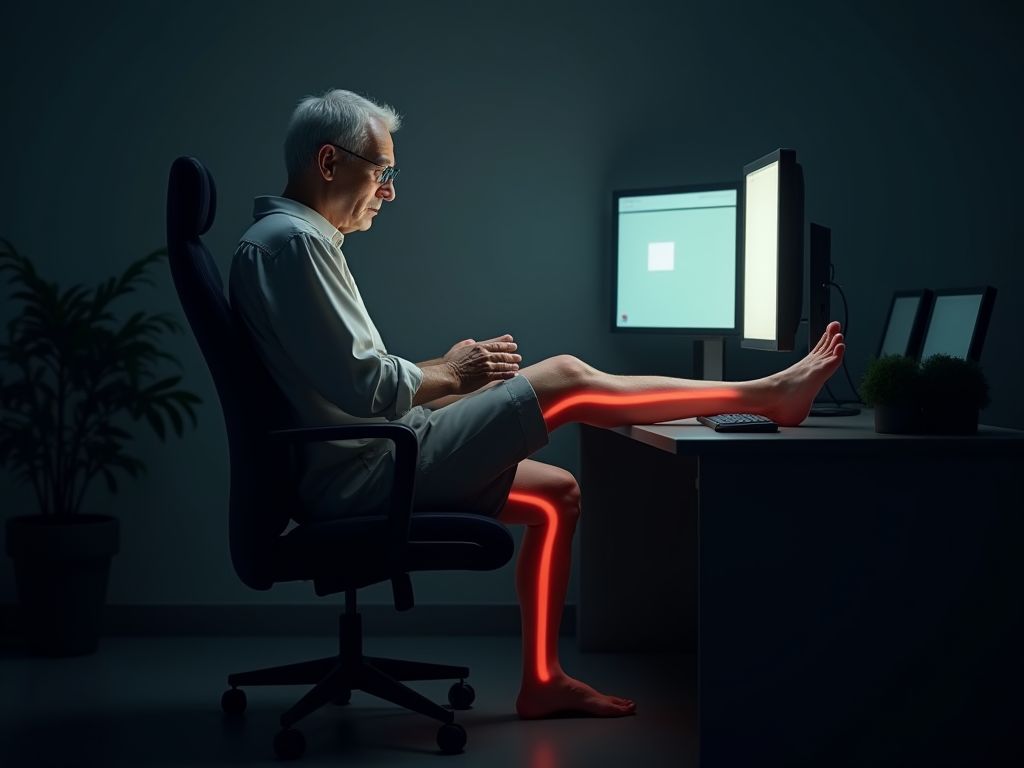
Understanding the Long-Term Effects of Poor Circulation in Sedentary Individuals
For many sedentary individuals, the gradual onset of poor circulation symptoms may seem minor at first. However, these subtle changes can signal a cascade of long-term health consequences. Poor circulation—often a result of prolonged sitting, lack of physical activity, and unhealthy lifestyle choices—can lead to serious complications over time. This article explores the insidious effects of poor circulation and why early intervention is critical.
1. Chronic Fatigue and Energy Drain
Poor circulation reduces the efficiency of oxygen and nutrient delivery to muscles and organs. Over time, this can lead to persistent fatigue, even after minimal physical exertion. Sedentary individuals may notice a gradual decline in energy levels, which can impact productivity and quality of life.
2. Leg Pain and Cramping
Intermittent claudication—characterized by pain, cramping, or heaviness in the legs during activity—is a common symptom of peripheral artery disease (PAD), often linked to poor circulation. As the condition progresses, even minor movements like walking short distances can trigger discomfort.
3. Cold Hands and Feet
Reduced blood flow to extremities can cause chronic coldness in hands and feet. This is not just uncomfortable; it may also indicate underlying vascular issues. Over time, the body’s ability to regulate temperature becomes impaired, increasing vulnerability to infections and frostbite in extreme cases.
4. Swelling in the Legs and Ankles
Poor venous circulation can lead to fluid buildup in the lower extremities, causing swelling (edema). Prolonged swelling may damage skin integrity, increase the risk of ulcers, and contribute to a condition known as venous stasis dermatitis.
5. Nerve Damage and Tingling
Reduced blood flow can compromise nerve function, leading to numbness, tingling, or a “pins and needles” sensation. In severe cases, this may progress to permanent nerve damage, particularly in the feet and hands, a condition known as peripheral neuropathy.
6. Skin Changes and Ulcers
Chronic poor circulation can cause the skin to become thin, dry, and discolored. In advanced stages, non-healing ulcers may develop, especially on the legs and feet. These ulcers are prone to infection and can become life-threatening if left untreated.
7. Organ Damage and Systemic Effects
Over time, poor circulation can strain the heart, leading to hypertension or heart failure. It may also affect kidney function and contribute to the development of diabetes by impairing insulin delivery to cells. The cumulative impact on multiple organs can be debilitating.
8. Cognitive Decline and Memory Issues
Brain function relies heavily on consistent blood flow. Poor circulation can reduce oxygen supply to the brain, leading to impaired concentration, memory lapses, and even an increased risk of dementia. Studies suggest that sedentary lifestyles may accelerate cognitive decline in older adults.
9. Mental Health Challenges
The physical discomfort and limitations caused by poor circulation can take a toll on mental health. Chronic fatigue, pain, and reduced mobility may contribute to depression, anxiety, and a decreased sense of well-being. These effects can create a vicious cycle that further exacerbates sedentary behavior.
10. Increased Risk of Cardiovascular Disease
Poor circulation is a major risk factor for cardiovascular disease. Sedentary individuals are more likely to develop atherosclerosis (plaque buildup in arteries), which can lead to heart attacks, strokes, and peripheral artery disease. These conditions are often preventable with lifestyle changes.
Frequently Asked Questions
Q: Can poor circulation be reversed?
A: Yes, in many cases. Lifestyle changes such as regular exercise, a balanced diet, quitting smoking, and managing stress can improve circulation. However, severe cases may require medical intervention.
Q: What are the best exercises for improving circulation?
A: Activities like walking, swimming, cycling, and yoga are highly effective. Even simple movements like stretching or leg lifts while sitting can help. Consistency is key.
Q: How does diet affect circulation?
A: A diet rich in fruits, vegetables, whole grains, and healthy fats (e.g., omega-3s) supports vascular health. Avoiding excessive salt, sugar, and saturated fats is crucial for preventing arterial damage.
Q: When should I see a doctor?
A: If you experience persistent leg pain, swelling, numbness, or cold extremities, consult a healthcare provider. Early diagnosis can prevent complications and improve outcomes.
Q: Can poor circulation lead to amputation?
A: In severe cases of PAD or non-healing ulcers, amputation may be necessary. However, this is preventable with timely medical care and lifestyle adjustments.
Conclusion: Take Action Before It’s Too Late
Poor circulation may start with subtle symptoms, but its long-term effects can be devastating. Sedentary lifestyles are a major contributor to this issue, but the good news is that many risks are reversible. Prioritize movement, adopt a heart-healthy diet, and seek medical advice if symptoms arise. Small, consistent changes today can protect your health for years to come. Your body’s circulatory system is a lifeline—nurture it, and it will nurture you in return.
Scientific References & Medical Evidence
- "Lack of exercise is a major cause of chronic diseases." (2012) View study on PubMed.gov →
- "Epidemiology of lower limb peripheral artery disease in urban areas of the Estuaire Province, Gabon." (2025) View study on PubMed.gov →
CureCurious verifies facts through peer-reviewed research.
You might also like


Recommended for your journey
We've handpicked this top-rated health tool to help you achieve the results discussed in this article.
Check Price on Amazon*As an Amazon Associate, CureCurious.com earns from qualifying purchases. This helps us keep our research free for everyone.

Written by Dr. Sarah Mitchell
Nutrition Expert & MD
"Dr. Sarah Mitchell is a board-certified nutritionist with over 15 years of experience in clinical dietetics. She specializes in metabolic health and gut microbiome research."