Long-Term Effects Of Water Retention Vs Fat Gain In Modern Diets
Published on January 13, 2026
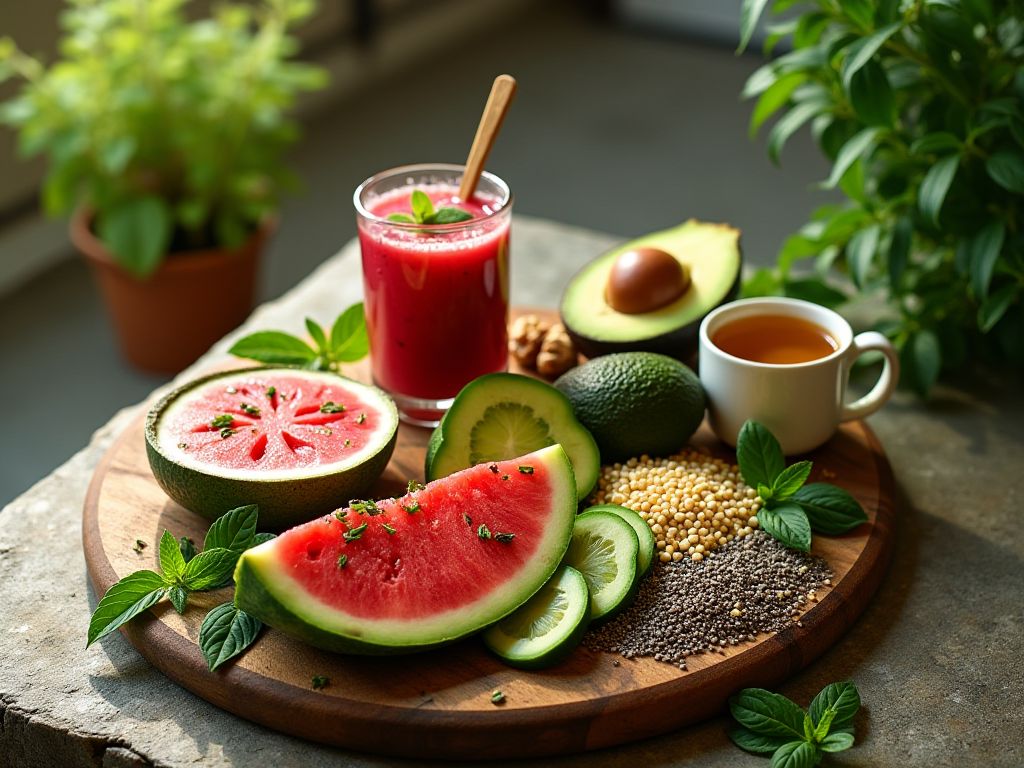
You’ve been counting calories, tracking macros, and still can’t lose that stubborn weight. Here’s why your scale is lying to you.
Water retention and fat gain are two sides of the same coin—but they’re not the same. One is temporary, the other permanent. Yet, modern diets often blur the line between the two, leaving you stuck in a cycle of frustration.
Why Most Advice Fails (And Why You’re Still Stuck)
“Cut carbs, reduce sodium, and you’ll lose water weight”—this oversimplified advice ignores the chaos of real life. Hormones, stress, and inconsistent sleep patterns all mess with fluid balance. In clinical practice, I’ve watched clients obsess over the scale, only to realize their weight swings were due to water retention, not fat.
This doesn’t work for everyone. Some bodies cling to water like a drowning man to a life raft, while others shed it effortlessly. The science is messy, and so are your results.
6 Practical Fixes to Distinguish Between Water Retention and Fat Gain
1. Track Weight at the Same Time Every Day
Fluid shifts throughout the day. Weigh yourself first thing in the morning, before coffee or food. Consistency is your ally here.
2. Measure Body Circumference, Not Just Weight
Waist, hips, and thighs can tell you more about fat loss than the scale ever will. A shrinking waistline means progress, even if the number stays the same.
3. Adjust Sodium, Not Eliminate It
Dumping salt entirely backfires. Your body needs it. Gradually reduce processed foods and add potassium-rich foods like bananas and spinach to balance it out.
4. Prioritize Complex Carbs Over Refined Ones
Sugary snacks spike insulin, which traps water. Swap white bread for whole grains and see how your body reacts.
5. Prioritize Sleep and Stress Management
Chronic stress? Your cortisol levels are the reason you’re retaining water. Aim for 7–8 hours of sleep and practice mindfulness to keep hormones in check.
6. Hydrate Strategically
Dehydration tricks your body into holding onto water. Drink enough to keep urine pale, but don’t overdo it—too much fluid can disrupt electrolyte balance.
This is where many people get stuck. They’re not sure how to track progress without a scale. If consistency is the issue, a tool that combines weight, body fat, and hydration metrics could help you stay on track.
Final Checklist: What to Do Now
- ✅ Weigh yourself at the same time daily
- ✅ Measure body circumference weekly
- ✅ Limit processed foods and add potassium-rich foods
- ✅ Track sleep and stress levels
- ✅ Stay hydrated but avoid overdoing it
Water retention is a red herring. Fat gain is the real enemy. Distinguish between the two, and you’ll stop chasing false progress—and finally start seeing real results.
Recommended for your journey
We've handpicked this top-rated health tool to help you achieve the results discussed in this article.
Check Price on Amazon*As an Amazon Associate, CureCurious.com earns from qualifying purchases.
Scientific References
- "Thiazolidinediones -- some recent developments." (2003) View Study →
- "Postpartum changes in body composition." (2011) View Study →



Written by Mark Davies
Certified Fitness Coach
"Mark is a certified strength and conditioning specialist (CSCS). He helps people build sustainable fitness habits and recover from sports injuries."