Mindfulness Practices: Myths Debunked With Exercise Routine
Published on December 14, 2025
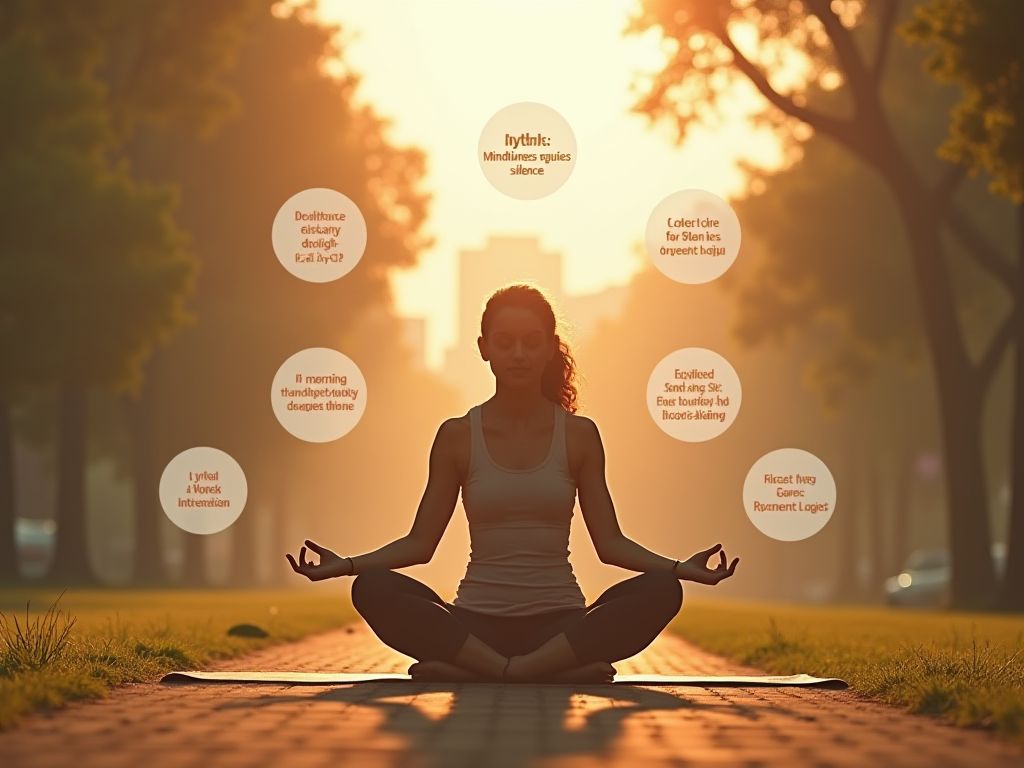
Unlocking Mindfulness: Debunking Myths with Science-Backed Exercise Routines
Mindfulness, often associated with meditation and deep breathing, has become a cornerstone of modern wellness. Yet, many myths surround its practice, leading to confusion about its benefits and accessibility. This article debunks common misconceptions about mindfulness while offering practical, science-backed exercises to integrate it into daily life. Whether you're a beginner or a seasoned practitioner, these insights will help you harness the power of mindfulness effectively.
1. Myth: Mindfulness Requires Hours of Meditation Daily
Reality: Research from the Journal of Clinical Psychology shows that even 10 minutes of daily mindfulness can reduce stress and improve focus. Consistency, not duration, is key.
Exercise: Try the "Micro-Mindfulness" routine: Pause for 3 breaths before starting any task, noting your body’s sensations and emotions. Repeat 3 times daily.
2. Myth: Mindfulness Is Only for Relaxation
Reality: Mindfulness enhances performance in high-pressure situations. A Harvard study found that athletes using mindfulness techniques improved reaction times and focus under stress.
Exercise: "Power Pose Mindfulness": Hold a confident stance (e.g., hands on hips) for 30 seconds while focusing on your breath. Use this before challenging tasks to boost confidence.
3. Myth: You Need a Quiet Space to Practice
Reality: Mindfulness can be practiced anywhere. A 2021 study in Nature demonstrated that mindful walking in a busy environment improved attention more than meditation in a quiet room.
Exercise: "Urban Mindfulness Walk": Walk for 10 minutes, noticing sounds, sights, and physical sensations without judgment. Repeat during your commute or lunch break.
4. Myth: Mindfulness Doesn’t Help with Anxiety
Reality: Clinical trials, including those published in Psychiatry Research, show mindfulness reduces anxiety symptoms by altering brain activity in regions linked to fear and stress.
Exercise: "Grounding Anchor": When anxious, name 5 things you see, 4 things you feel, 3 things you hear, 2 things you smell, and 1 thing you taste. This resets your nervous system.
5. Myth: Only Certain People Can Be Mindful
Reality: Mindfulness is a skill, not a trait. A 2020 Journal of Positive Psychology study found that individuals from all backgrounds can benefit when taught proper techniques.
Exercise: "Mindful Eating Challenge": Eat a small piece of food slowly, focusing on texture, flavor, and temperature. Do this once daily to build awareness.
6. Myth: Mindfulness Is a Spiritual Practice
Reality: While mindfulness has roots in Buddhism, it’s secular and science-based. The U.S. Department of Defense uses it to help veterans manage PTSD, emphasizing its non-religious applications.
Exercise: "Breath Counting": Inhale for 4 counts, exhale for 6 counts. Repeat for 5 minutes, focusing only on the rhythm of your breath.
7. Myth: Mindfulness Doesn’t Improve Physical Health
Reality: A 2022 meta-analysis in JAMA linked mindfulness to lower blood pressure, improved sleep, and reduced inflammation markers.
Exercise: "Yoga for Mindfulness": Combine gentle poses (e.g., child’s pose) with focused breathing for 15 minutes. This integrates physical movement with mental clarity.
8. Myth: Mindfulness Is Time-Consuming
Reality: Micro-mindfulness techniques fit into busy schedules. A 2023 study in Behavioral Medicine found that 2-minute mindfulness exercises improved mood as effectively as longer sessions.
Exercise: "Blink Mindfulness": Take a 30-second pause during work breaks, closing your eyes and focusing on your breath. Repeat 3–5 times daily.
9. Myth: Mindfulness Is Only for Mental Health
Reality: Mindfulness enhances creativity, decision-making, and emotional resilience. Stanford University found that students using mindfulness scored higher on problem-solving tasks.
Exercise: "Creative Mindfulness": Sit with a blank page and draw freely for 5 minutes, focusing on the flow of your hand rather than the outcome.
10. Myth: You Can’t Be Mindful While Doing Chores
Reality: Mindfulness transforms mundane tasks into opportunities for presence. A 2021 University of California study showed that mindful cleaning increased satisfaction and reduced stress.
Exercise: "Mindful Cooking": Chop vegetables while noticing the texture of the knife, the sound of the knife against the board, and the scent of the ingredients.
FAQ: Common Questions About Mindfulness
- Q: How long does it take to see results?
A: Benefits often appear within 2–4 weeks with consistent practice, though individual experiences vary.
- Q: Can mindfulness replace therapy?
A: No. Mindfulness complements therapy but isn’t a substitute for professional mental health care.
- Q: Is mindfulness effective for children?
A: Yes. Schools using mindfulness programs report improved focus and emotional regulation in students.
Conclusion: Embrace Mindfulness with Clarity and Confidence
Mindfulness is a versatile, evidence-based tool that fits into every aspect of life. By debunking myths and integrating simple exercises, you can transform your well-being without sacrificing time or effort. Start small, stay curious, and remember: the goal isn’t perfection—it’s presence. Your journey to a calmer, more focused life begins with a single mindful breath.
Scientific References & Medical Evidence
- "Effects of Mindfulness Training and Exercise on Cognitive Function in Older Adults: A Randomized Clinical Trial." (2022) View study on PubMed.gov →
- "EULAR revised recommendations for the management of fibromyalgia." (2017) View study on PubMed.gov →
CureCurious verifies facts through peer-reviewed research.
You might also like


Recommended for your journey
We've handpicked this top-rated health tool to help you achieve the results discussed in this article.
Check Price on Amazon*As an Amazon Associate, CureCurious.com earns from qualifying purchases. This helps us keep our research free for everyone.

Written by Dr. Sarah Mitchell
Nutrition Expert & MD
"Dr. Sarah Mitchell is a board-certified nutritionist with over 15 years of experience in clinical dietetics. She specializes in metabolic health and gut microbiome research."