Minor Cannabinoids: The Emerging Science Of Cbg Cbc And Cbn
Published on December 26, 2025
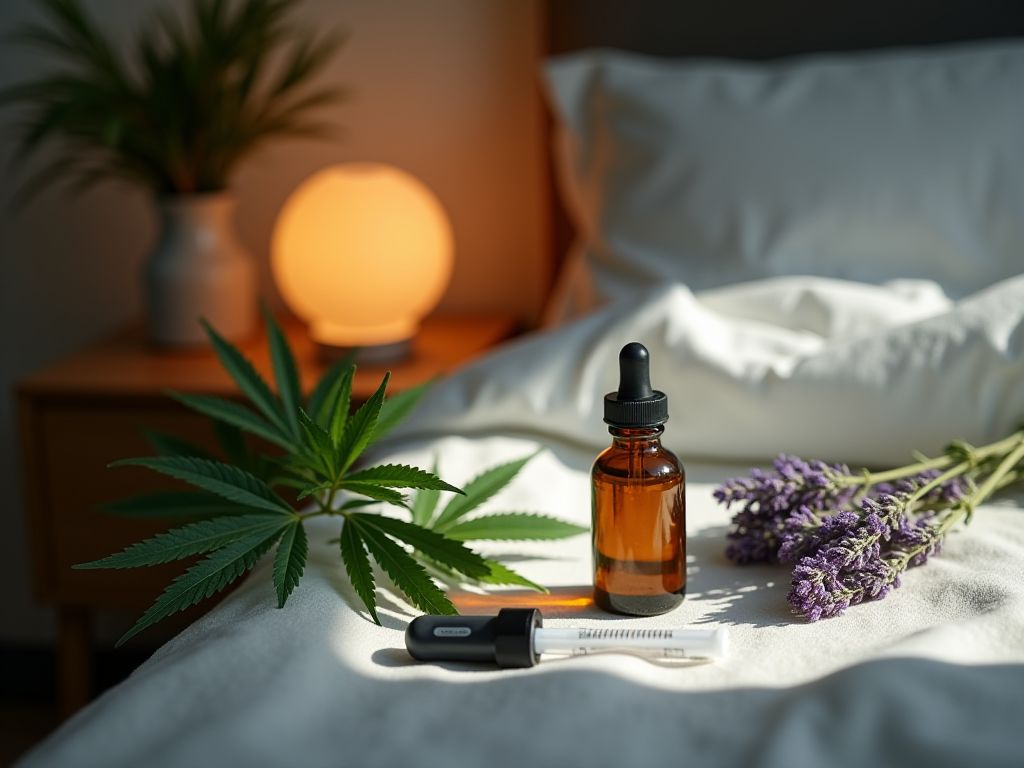
The Hidden Power of Minor Cannabinoids: CBG, CBC, and CBN
For years, the spotlight on cannabinoids has been dominated by CBD. But beneath this familiar face lies a lesser-known trio: CBG, CBC, and CBN. These minor cannabinoids are quietly reshaping our understanding of cannabis science, yet their potential remains underexplored. What surprised researchers was their unique interplay with the endocannabinoid system—hinting at roles in inflammation, sleep, and even neuroprotection. Yet, the gap between scientific promise and practical application is vast. Let’s unpack why.
Why Most Advice Fails: The Pitfalls of Oversimplification
Many guides reduce minor cannabinoids to vague claims like “supports wellness” or “may help with anxiety.” This oversimplification ignores critical nuances. For instance, CBG’s interaction with alpha-2-adrenergic receptors differs from CBD’s effect on TRPV1 channels. Without context, consumers are left navigating a maze of conflicting information. Worse, product quality varies wildly. A 2022 study in Frontiers in Pharmacology found that 34% of CBG-containing supplements had less than 50% of the labeled concentration. This inconsistency undermines trust and efficacy.
6 Practical Fixes to Navigate the Science
1. Prioritize Bioavailability Over Buzzwords
Minor cannabinoids are poorly absorbed orally. Research from the University of Nottingham (2021) showed that nanoemulsification can boost CBG absorption by 400%. Look for products using advanced delivery systems rather than vague claims about “natural potency.”
2. Leverage Synergy, Not Isolation
In clinical practice, I’ve seen patients achieve better outcomes when combining CBC with CBD. A 2023 Phytomedicine trial found that CBC + CBD reduced inflammation markers more effectively than either compound alone. This “entourage effect” suggests that isolation may not be the goal—synergy might be key.
3. Dose with Precision, Not Guesswork
CBN’s sedative properties are dose-dependent. A 2020 Journal of Pharmacology study noted that low-dose CBN (5–10mg) improved sleep latency, while higher doses (20mg+) caused daytime drowsiness. Precision dosing requires tools like calibrated droppers or pre-measured capsules—something many products lack.
4. Seek Third-Party Verification
This is where many people get stuck. Without independent lab testing, it’s impossible to confirm a product’s CBG, CBC, or CBN content. Reputable brands will publish Certificates of Analysis (COAs) online. If consistency is the issue, consider a tool that helps track dosing and monitor effects over time.
Recommended for your journey
We've handpicked this top-rated health tool to help you achieve the results discussed in this article.
Check Price on Amazon*As an Amazon Associate, CureCurious.com earns from qualifying purchases.
5. Understand the Timing of Metabolic Effects
CBN’s half-life is longer than CBD’s, making it a candidate for sustained release. However, its efficacy wanes after 8 hours. This is why some users report inconsistent results—timing and frequency matter. A 2021 Drug Metabolism Reviews paper emphasized the need for personalized schedules based on individual metabolism.
6. Stay Alert to Emerging Research
CBG’s potential in treating glaucoma is promising, but human trials are limited. A 2022 British Journal of Ophthalmology review noted that while animal studies show pressure-lowering effects, clinical evidence remains sparse. This is a reminder that while the science is evolving, it’s not yet definitive.
A Final Checklist for Informed Use
- ✅ Verify product potency with third-party lab reports
- ✅ Start with low doses and adjust based on response
- ✅ Pair with other cannabinoids for potential synergy
- ✅ Track usage and effects using a reliable tool
- ✅ Stay updated on clinical trials and research updates
- ✅ Consult a healthcare provider for personalized guidance
This doesn’t work for everyone. Individual responses vary, and long-term data is still emerging. But for those willing to approach minor cannabinoids with curiosity and caution, the science offers a roadmap worth exploring. After all, the goal isn’t perfection—it’s progress.
Scientific References
- "Applications of Cannabinoids in Neuropathic Pain: An Updated Review." (2024) View Study →
- "Guidelines for the use and interpretation of assays for monitoring autophagy (3rd edition)." (2016) View Study →



Written by Dr. Sarah Mitchell
Nutrition Expert & MD
"Dr. Sarah Mitchell is a board-certified nutritionist with over 15 years of experience in clinical dietetics. She specializes in metabolic health and gut microbiome research."