Natural Exercise For Beginners Benefits
Published on December 11, 2025
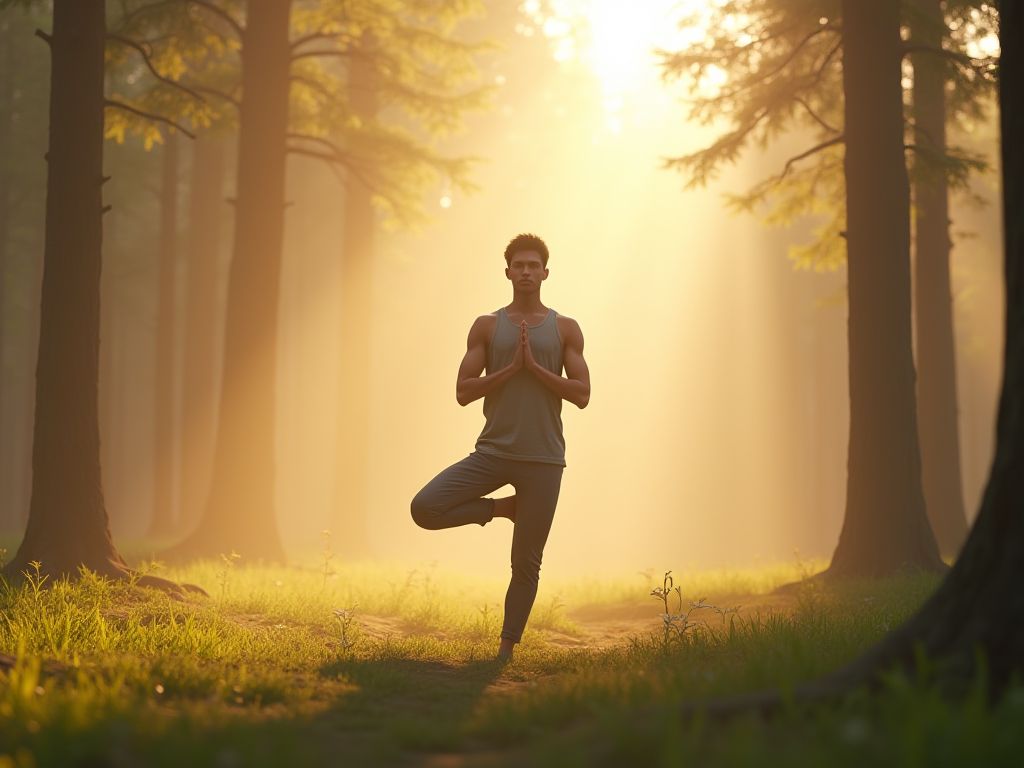
Discover the Power of Natural Exercise for Beginners: Benefits You Can't Ignore
Are you new to fitness and unsure where to start? Natural exercise—activities like walking, hiking, yoga, or even gardening—offers a gentle, accessible way to improve your health without the need for expensive equipment or a gym membership. This article explores the science-backed benefits of natural exercise for beginners, helping you understand why these activities are perfect for building a sustainable, lifelong fitness habit.
1. Boosts Mental Health and Reduces Stress
Natural exercise, especially outdoors, has been shown to lower cortisol levels (the stress hormone) and improve mood. A study in the Journal of Environmental Psychology found that spending time in nature during physical activity increases feelings of happiness and reduces anxiety. Activities like walking in a park or practicing tai chi in a garden can help calm the mind and enhance emotional resilience.
Partner Content


2. Improves Physical Fitness Without Overexertion
Beginners often worry about injury or burnout. Natural exercises like walking, swimming, or yoga are low-impact and allow your body to adapt gradually. Research from the Mayo Clinic highlights that consistent, moderate-intensity activities can strengthen muscles, improve cardiovascular health, and increase flexibility without overwhelming your body.
3. Enhances Accessibility and Convenience
No gym membership? No problem. Natural exercise can be done anywhere—at home, in your neighborhood, or even during a lunch break. This flexibility makes it easier to stay consistent, especially for those with busy schedules or limited resources.
4. Encourages Consistency and Long-Term Habits
Activities like daily walks or weekend hikes are easy to incorporate into routines. A Harvard T.H. Chan School of Public Health study found that people who engage in regular, low-effort exercise are more likely to maintain their habits long-term compared to those who rely on intense workouts.
5. Supports Weight Management
Simple natural exercises like cycling, dancing, or climbing stairs burn calories and build muscle. According to the Centers for Disease Control and Prevention (CDC), even 30 minutes of moderate activity daily can help maintain a healthy weight and reduce the risk of obesity-related diseases.
6. Strengthens Bones and Joints
Weight-bearing activities like walking or hiking stimulate bone growth and reduce the risk of osteoporosis. A Journal of Bone and Mineral Research study found that regular outdoor exercise can increase bone density by up to 10% in postmenopausal women.
7. Improves Sleep Quality
Exposure to natural light during exercise regulates melatonin production, which helps you fall asleep faster and wake up feeling refreshed. The National Sleep Foundation recommends outdoor activities in the morning or afternoon to enhance sleep patterns.
8. Fosters Social Connections
Group activities like hiking clubs, yoga classes, or community gardening promote social interaction, which is crucial for mental well-being. A University of California study found that people who exercise with others report higher levels of happiness and lower rates of depression.
9. Reduces Environmental Impact
Choosing natural exercises like walking or biking instead of driving cuts carbon emissions. The International Journal of Environmental Research and Public Health estimates that if 10% of the population adopted active commuting, global CO2 emissions could decrease by 20 million tons annually.
10. Encourages Mind-Body Connection
Activities like yoga and tai chi combine physical movement with mindfulness, improving balance, posture, and mental clarity. A Journal of Aging and Physical Activity study found that older adults who practiced these exercises experienced better cognitive function and reduced fall risk.
Frequently Asked Questions
Q: How much time should beginners spend on natural exercise each week?
A: The World Health Organization recommends at least 150 minutes of moderate-intensity activity (like brisk walking) per week for adults. Start with 10–15 minutes daily and gradually increase as your fitness improves.
Q: Can natural exercise help with chronic conditions like diabetes or arthritis?
A: Yes. Studies show that activities like swimming or walking can improve blood sugar control and reduce joint pain. Always consult a healthcare provider before starting a new routine.
Q: What if I don’t have access to nature or open spaces?
A: You can still benefit from natural exercise indoors. Try yoga, stretching, or dancing at home. Even short walks around your neighborhood count as physical activity.
Q: How can I stay motivated as a beginner?
A: Set small, achievable goals (e.g., “Walk 3 times this week”), track progress with a journal or app, and find a friend or group to join you. Celebrate every milestone!
Conclusion: Start Small, Stay Consistent
Natural exercise is a powerful, science-backed way to improve your health without the pressure of intense workouts. Whether you’re walking in a park, practicing yoga in your living room, or gardening in your backyard, every step you take contributes to a healthier, happier you. Remember: consistency matters more than intensity. Embrace the journey, and let nature guide you toward a stronger, more vibrant life.
Scientific References & Medical Evidence
- "Health benefits of physical activity: a systematic review of current systematic reviews." (2017) View study on PubMed.gov →
- "Health benefits of physical activity: the evidence." (2006) View study on PubMed.gov →
CureCurious verifies facts through peer-reviewed research.
You might also like


Recommended for your journey
We've handpicked this top-rated health tool to help you achieve the results discussed in this article.
Check Price on Amazon*As an Amazon Associate, CureCurious.com earns from qualifying purchases. This helps us keep our research free for everyone.

Written by Mark Davies
Certified Fitness Coach
"Mark is a certified strength and conditioning specialist (CSCS). He helps people build sustainable fitness habits and recover from sports injuries."