Neuroplasticity Training Without Side Effects
Published on December 12, 2025
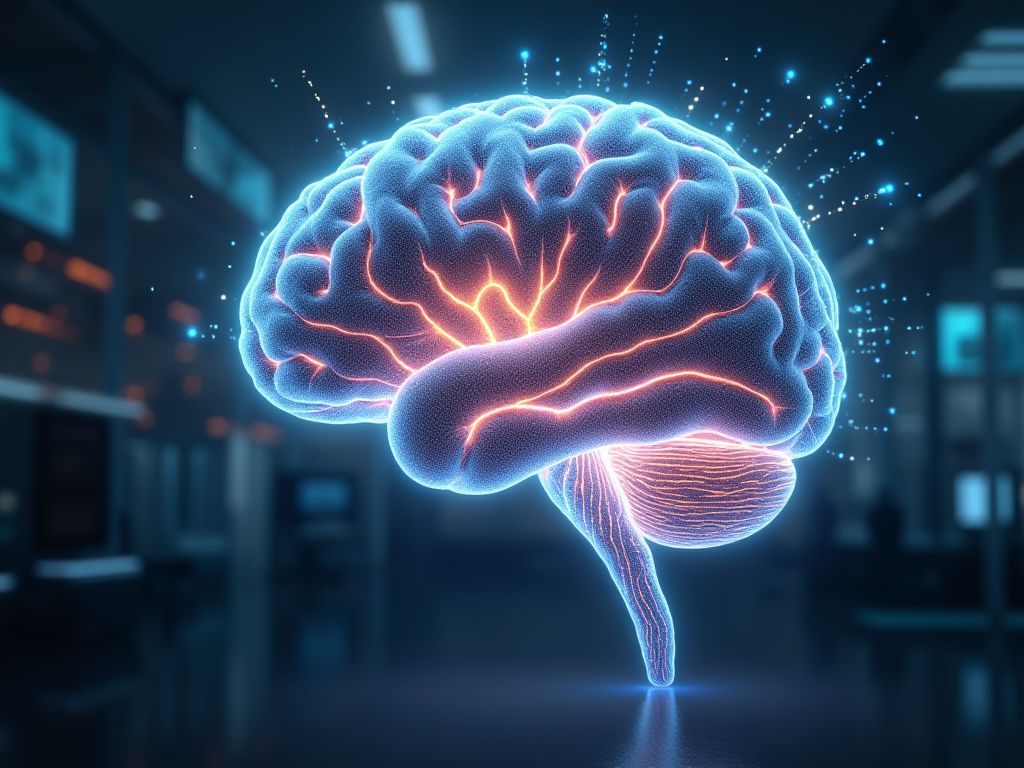
Understanding Neuroplasticity Training: A Safe Path to Brain Health
Neuroplasticity—the brain’s remarkable ability to rewire itself—is a cornerstone of human adaptability. From learning new skills to recovering from injury, this process underpins our capacity to grow and change. However, many people remain hesitant to engage in neuroplasticity training due to concerns about potential side effects. The good news? When approached with scientific rigor and proper guidance, neuroplasticity training can be a powerful, safe tool for enhancing cognitive function, emotional resilience, and overall well-being. This article explores how to harness neuroplasticity safely, backed by research and practical strategies.
1. What Is Neuroplasticity?
Neuroplasticity refers to the brain’s ability to form new neural connections, strengthen existing ones, and even reorganize itself in response to experiences, learning, or injury. This adaptability is not limited to childhood; studies show that neuroplasticity persists throughout life, though it may require more deliberate effort as we age.
2. The Science Behind Safe Neuroplasticity Training
Modern neuroscience has identified several mechanisms that make neuroplasticity training effective and safe:
- Synaptic Plasticity: Strengthening or weakening connections between neurons based on use.
- Neurogenesis: The growth of new neurons, particularly in the hippocampus, which supports memory.
- Myelination: Enhancing the efficiency of neural pathways through the formation of myelin sheaths.
3. Why Neuroplasticity Training Is Safe When Done Correctly
Unlike some interventions, neuroplasticity training does not involve pharmaceuticals, invasive procedures, or high-risk activities. Risks are typically minimal when guided by professionals and aligned with individual needs. For example, gradual, structured approaches avoid overwhelming the brain, reducing the likelihood of cognitive fatigue or frustration.
4. Common Methods of Neuroplasticity Training
Safe and effective methods include:
- Cognitive Training: Puzzles, memory games, and language learning.
- Mindfulness and Meditation: Reducing stress and enhancing focus through present-moment awareness.
- Physical Exercise: Aerobic activity and strength training stimulate brain-derived neurotrophic factor (BDNF), a protein critical for neuroplasticity.
- Music and Art Therapy: Engaging multiple senses to promote neural integration.
5. How to Avoid Common Pitfalls
While neuroplasticity training is generally safe, overexertion or improper technique can lead to temporary fatigue or frustration. Strategies to avoid these issues include:
- Starting with short, manageable sessions (10–15 minutes daily).
- Using guided programs or apps developed by neuroscientists.
- Seeking feedback from healthcare professionals, especially for individuals with neurological conditions.
6. The Role of Sleep in Neuroplasticity
Sleep is a critical component of neuroplasticity training. During deep sleep, the brain consolidates memories, clears metabolic waste, and strengthens neural pathways. Prioritizing 7–9 hours of quality sleep per night enhances the effectiveness of training and reduces the risk of cognitive burnout.
7. Neuroplasticity Training for Specific Conditions
For individuals recovering from stroke, traumatic brain injury, or neurodegenerative diseases like Parkinson’s, neuroplasticity training can be tailored to promote recovery. Techniques such as constraint-induced movement therapy or visual-spatial training are widely used in clinical settings without significant side effects when supervised.
8. The Importance of a Holistic Approach
Neuroplasticity training works best when combined with a healthy lifestyle. A balanced diet rich in antioxidants, omega-3 fatty acids, and hydration supports brain function. Social engagement and emotional well-being also play a role, as stress and isolation can hinder neuroplasticity.
9. Debunking Myths About Neuroplasticity Training
Common misconceptions include the belief that neuroplasticity training is only for those with brain injuries or that it guarantees rapid results. In reality, it benefits everyone and requires patience. There is no evidence to suggest that properly designed training causes harm when approached with care.
10. The Future of Safe Neuroplasticity Training
Advances in technology, such as brain-computer interfaces and personalized AI-driven training programs, are making neuroplasticity training more accessible and precise. Researchers are also exploring non-invasive methods like transcranial magnetic stimulation (TMS), which has shown promise in enhancing neuroplasticity without adverse effects.
Frequently Asked Questions
- How long does neuroplasticity training take to show results? Results vary, but most people notice improvements in focus, memory, or mood within 4–6 weeks of consistent practice.
- Can children benefit from neuroplasticity training? Yes, especially for developmental conditions like ADHD or learning disabilities, when guided by specialists.
- Is neuroplasticity training a replacement for medical treatment? No. It should complement, not replace, professional medical care for neurological conditions.
Conclusion: Embrace the Power of a Plastic Brain
Neuroplasticity training offers a safe, science-backed pathway to enhance brain health and resilience. By understanding the principles of safe practice, leveraging evidence-based methods, and maintaining a holistic lifestyle, anyone can unlock the full potential of their brain. Whether you’re recovering from injury, seeking to improve cognitive function, or simply curious about the brain’s adaptability, the journey to a more resilient mind begins with informed, intentional steps.
Scientific References & Medical Evidence
- "An Introduction to the Endogenous Cannabinoid System." (2016) View study on PubMed.gov →
- "Mechanisms of SSRI Therapy and Discontinuation." (2024) View study on PubMed.gov →
CureCurious verifies facts through peer-reviewed research.
Recommended for your journey
We've handpicked this top-rated health tool to help you achieve the results discussed in this article.
Check Price on Amazon*As an Amazon Associate, CureCurious.com earns from qualifying purchases. This helps us keep our research free for everyone.

Written by Dr. Sarah Mitchell
Nutrition Expert & MD
"Dr. Sarah Mitchell is a board-certified nutritionist with over 15 years of experience in clinical dietetics. She specializes in metabolic health and gut microbiome research."