Night Awakenings Most People Miss In Modern Diets
Published on December 16, 2025
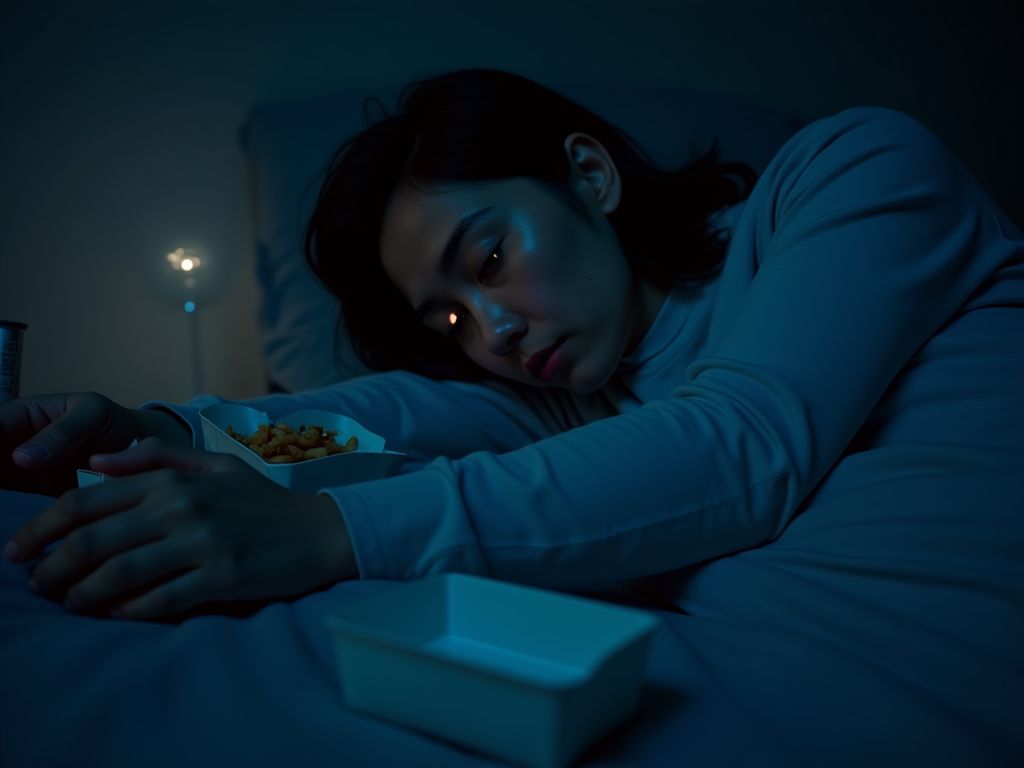
The Hidden Culprits: How Modern Diets Disrupt Sleep and Why Most People Miss the Connection
Modern life is rife with sleep disturbances, but few realize that the foods we consume daily might be the silent architects of our night awakenings. While stress, screens, and irregular schedules dominate the conversation, a growing body of research highlights how modern diets—packed with processed ingredients, artificial additives, and nutrient imbalances—can subtly sabotage sleep quality. From late-night snacks to hidden stimulants, these overlooked factors often go unnoticed, leaving individuals puzzled by their fragmented rest. This article unravels the science behind these overlooked dietary triggers and offers actionable insights for reclaiming restful sleep.
1. Caffeine and Stimulants: The Lingering Effects
While most people know to avoid coffee before bed, few realize that caffeine’s effects can last up to 6 hours. Modern diets often include hidden sources of caffeine, such as energy drinks, chocolate, and even some medications. Even a small intake of caffeine in the afternoon can disrupt sleep cycles, leading to mid-night awakenings. Additionally, artificial stimulants in processed foods, like guarana or yerba mate, can amplify this effect.
2. Sugar and Blood Sugar Spikes
High-sugar diets—common in modern eating habits—can cause rapid blood sugar fluctuations. These spikes trigger insulin resistance, which disrupts melatonin production and leads to fragmented sleep. Late-night snacks, especially those high in refined sugars, can cause the body to enter a state of metabolic stress, waking individuals during the night to process excess glucose.
3. Alcohol: The Double-Edged Sword
Although alcohol is a sedative, it profoundly disrupts sleep architecture. It suppresses REM sleep and increases the likelihood of waking during the night. Modern diets often include excessive alcohol consumption, particularly in social settings, which can lead to a cycle of poor sleep and reliance on alcohol to fall asleep in the first place.
4. Magnesium Deficiency: A Modern Epidemic
Modern diets are notoriously low in magnesium, a mineral critical for relaxation and sleep regulation. Magnesium deficiency is linked to increased nighttime awakenings and difficulty falling back asleep. Processed foods, soil depletion, and dietary habits that exclude leafy greens, nuts, and seeds contribute to this deficiency.
5. Artificial Sweeteners and Gut Health
Artificial sweeteners like aspartame and sucralose, commonly found in diet sodas and low-calorie snacks, can alter gut microbiota. This disruption affects the production of neurotransmitters like serotonin, which regulates sleep. A compromised gut-brain axis can lead to frequent awakenings and poor sleep quality.
6. Omega-3 Deficiency and Inflammation
Modern diets are often skewed toward omega-6 fatty acids (found in processed oils) and deficient in omega-3s (found in fatty fish and flaxseeds). This imbalance promotes inflammation, which can interfere with sleep regulation and increase the likelihood of nighttime awakenings.
7. Sodium Overload and Nocturia
High sodium intake—common in processed foods and restaurant meals—can lead to nocturia (frequent nighttime urination). This condition disrupts sleep continuity and is often overlooked as a dietary issue. Reducing sodium intake can significantly improve sleep quality for many individuals.
8. Late Meals and Digestive Stress
Eating large meals close to bedtime can trigger digestive discomfort, such as heartburn or bloating, which often causes awakenings. Modern lifestyles, with late work hours and irregular meal times, exacerbate this issue. Even small snacks consumed 2-3 hours before bed can interfere with sleep onset and maintenance.
9. Hidden Sources of Caffeine and Stimulants
Many people are unaware that common foods like dark chocolate, certain teas, and even some medications contain stimulants that can disrupt sleep. Modern diets often include these hidden sources, making it harder to pinpoint the cause of night awakenings.
10. Lack of Sleep-Enhancing Nutrients
Modern diets frequently lack essential nutrients like tryptophan, vitamin B6, and melatonin precursors, which are vital for sleep regulation. Foods such as turkey, bananas, and cherries are rich in these nutrients but are often excluded from diets dominated by processed and fast foods.
Frequently Asked Questions
- Can a single night awakening be caused by diet alone?
Yes, but it depends on the individual. If someone consumes a high-sugar snack late at night, it could cause a blood sugar spike and awaken them. However, chronic issues are more likely due to long-term dietary patterns.
- How can I adjust my diet to improve sleep?
Focus on whole, unprocessed foods, limit caffeine and sugar, and ensure adequate intake of magnesium, omega-3s, and tryptophan. Avoid large meals and alcohol close to bedtime.
- Are supplements helpful for sleep-related diet issues?
Supplements like magnesium, melatonin, or omega-3s can be beneficial, but they should complement—not replace—a balanced diet. Consult a healthcare provider before starting any supplements.
Conclusion: Reclaiming Rest Through Dietary Awareness
The connection between modern diets and sleep disturbances is both complex and often overlooked. From hidden stimulants to nutrient deficiencies, the foods we eat play a pivotal role in our ability to achieve restful, uninterrupted sleep. By making informed dietary choices—prioritizing whole foods, reducing processed ingredients, and addressing key nutrient gaps—individuals can significantly reduce night awakenings and improve overall sleep quality. Sleep is not just a luxury; it’s a biological necessity. Taking control of your diet is one of the most powerful steps you can take toward reclaiming the rest your body and mind deserve.
Scientific References & Medical Evidence
- "From nocturnal awakenings to nocturnal voiding: the relationship between insomnia and nocturia - a systematic review." (2025) View study on PubMed.gov →
- "Nutritional and Lifestyle Behaviors and Their Influence on Sleep Quality Among Spanish Adult Women." (2025) View study on PubMed.gov →
CureCurious verifies facts through peer-reviewed research.
You might also like


Recommended for your journey
We've handpicked this top-rated health tool to help you achieve the results discussed in this article.
Check Price on Amazon*As an Amazon Associate, CureCurious.com earns from qualifying purchases. This helps us keep our research free for everyone.

Written by Dr. Sarah Mitchell
Nutrition Expert & MD
"Dr. Sarah Mitchell is a board-certified nutritionist with over 15 years of experience in clinical dietetics. She specializes in metabolic health and gut microbiome research."