Poor Circulation Symptoms And Long Term Health Risks After 30
Published on January 18, 2026
The Silent Warning: How Poor Circulation After 30 Can Rewrite Your Health Story
Imagine your body as a highway system, where blood is the traffic rushing through arteries and veins. By 30, wear and tear on these roads can begin to show—cracks, potholes, and detours that slow the flow. This is not a distant threat; it’s a daily reality for millions. The good news? You’re not powerless. Every choice you make now can redirect this path toward resilience. Let’s map it out.
1. Listen to the Signals Your Body Sends
Leg cramps at night, numbness in the toes, or a tingling sensation in the feet are not just random discomforts. They’re your circulatory system shouting for attention. In clinical practice, I’ve seen patients ignore these signs for years, only to face complications later. Early intervention isn’t just about comfort—it’s about longevity.
2. Move Your Body Like It Matters
Exercise isn’t a punishment; it’s a lifeline. Activities like walking, swimming, or even dancing for 30 minutes daily can strengthen blood vessels and improve flow. Think of your muscles as pumps, helping push blood back to the heart. The more you move, the more you’re investing in your future.
3. Fuel Your Vessels with Antioxidants
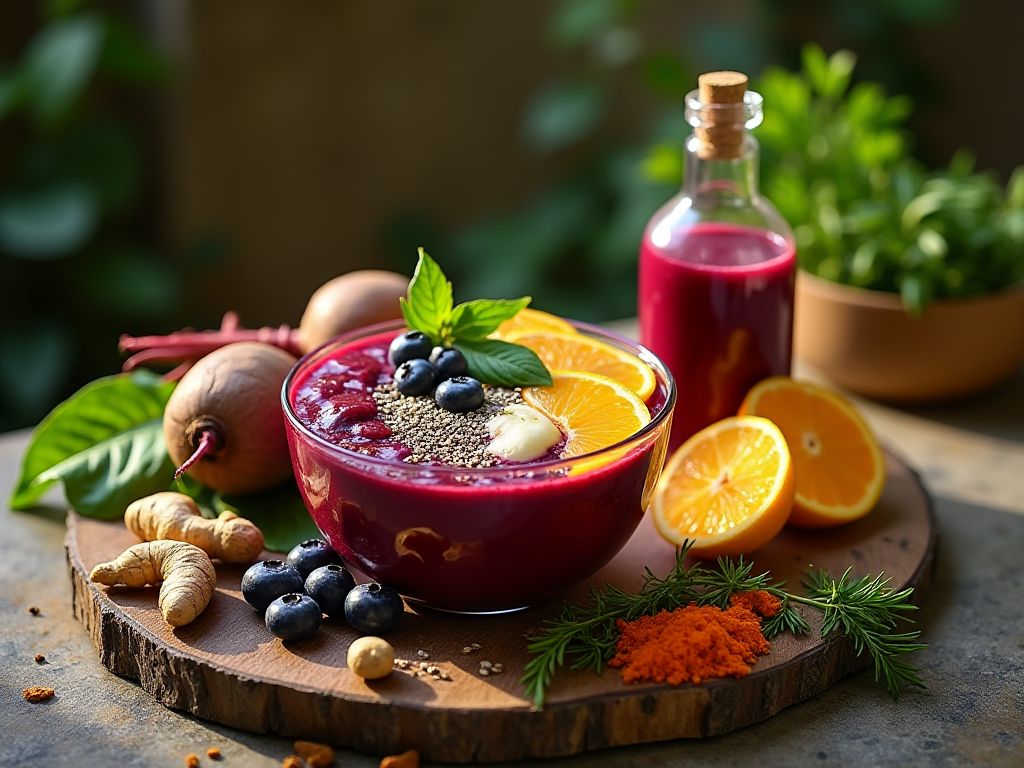
What your plate holds matters. Berries, leafy greens, and nuts are packed with antioxidants that combat oxidative stress—a key player in arterial damage. These foods aren’t just trendy; they’re foundational. Imagine your blood vessels as shields—each antioxidant is a layer of armor.
4. Hydration Is a Hidden Superpower
Your blood is mostly water. Dehydration thickens it, making circulation harder. Aim for 8–10 glasses daily, but don’t just chug water. Infuse it with lemon or cucumber for flavor, or sip herbal teas that support vascular health. Every drop is a step toward clarity in your body’s systems.
5. Smoke Is a One-Way Ticket to Damage
If you smoke, quitting is the most immediate action you can take. Tobacco narrows blood vessels and damages their lining, creating a snowball effect of risk. The moment you decide to quit, your body begins to heal—within 20 minutes, your heart rate drops. This is your body’s way of saying, “I’m ready to recover.”
6. Stress Is a Circulation Saboteur
Chronic stress releases cortisol, which constricts blood vessels over time. Mindfulness practices—like meditation or deep breathing—can lower this response. Picture your nervous system as a thermostat; these tools help it reset to a calmer, healthier setting.
7. Schedule Check-Ups Like a Lifeline
Annual exams aren’t just for the elderly. Blood pressure, cholesterol, and glucose levels are silent indicators of vascular health. If these numbers trend upward, your doctor can intervene before damage becomes irreversible. This is where many people get stuck—waiting for symptoms instead of acting on data.
8. Compression Socks: A Simple Boost
For those on their feet all day, compression socks can be a game-changer. They gently push blood upward, reducing swelling and improving return flow. Think of them as a second pair of legs working to keep your circulation on track.
9. Elevate Your Legs, Elevate Your Health
When you sit or lie down, prop your legs up higher than your heart. This simple act helps blood flow back to the heart, reducing strain on your veins. It’s a small habit with lasting benefits—like a daily reset for your circulatory system.
10. Sleep: The Overlooked Circulation Catalyst
Deep sleep is when your body repairs blood vessels and balances hormones. Poor sleep? It’s a recipe for inflammation and high blood pressure. If maintaining a consistent sleep schedule feels out of reach, consider tools designed to optimize your rest environment.
Recommended for your journey
We've handpicked this top-rated health tool to help you achieve the results discussed in this article.
Check Price on Amazon*As an Amazon Associate, CureCurious.com earns from qualifying purchases.
Your Action Plan: Rewrite the Narrative
- Day 1–7: Track your symptoms and note any patterns. Are cramps worse at night? Is fatigue linked to your meals?
- Week 2: Commit to 15 minutes of movement daily. Even a walk around the block counts.
- Month 1: Replace one processed food item with an antioxidant-rich alternative. Celebrate small wins.
- Ongoing: Use a journal to log sleep quality, stress levels, and how your body feels each morning.
This isn’t about perfection. It’s about progress. Every step you take now is a brick in the foundation of a healthier future. You’re not just avoiding risks—you’re building a body that thrives. The road ahead is yours to shape.
Summary
Your circulatory system is a dynamic, living network. By recognizing its needs and responding with intention, you’re not just preventing disease—you’re unlocking vitality. This journey isn’t easy, but it’s entirely possible. The best version of you is waiting, and it starts with one choice today.
Scientific References
- "Congestive Hepatopathy." (2020) View Study →
- "Intravenous Milrinone for Cerebral Vasospasm in Subarachnoid Hemorrhage: The MILRISPASM Controlled Before-After Study." (2021) View Study →



Written by Marcus Thorne
Sleep Hygiene Specialist
"Marcus helps people overcome insomnia and optimize their circadian rhythms. He believes that deep sleep is the foundation of all health."