Poor Circulation Symptoms Linked To Lifestyle Habits
Published on January 4, 2026
Your Body’s Circulatory System Is a Dynamic Network—Not a Fixed Fate
When your fingers tingle after a long day or your legs feel heavy during a walk, it’s easy to assume the worst. But these symptoms often stem from lifestyle habits that can be adjusted, not immutable biological flaws. In clinical practice, I’ve seen patients dismiss early signs of poor circulation as “just getting older,” only to later discover that simple changes—like hydration or posture—could have made a difference. The good news? Your circulatory system is remarkably responsive to behavior, even if the process feels slower than you’d like.
Why It Matters: Circulation Isn’t Just About Blood Flow
Peripheral circulation isn’t merely a passive function; it’s a dialogue between your blood vessels, nerves, and habits. Chronic poor circulation can lead to complications like delayed wound healing or increased risk of clots, but these are rarely sudden. What surprised researchers was the role of inflammation in microvascular dysfunction—often tied to diets high in refined sugars or sedentary routines. This isn’t a death sentence; it’s a signal your body is sending. Recognizing it early allows for intervention that can prevent escalation.
5 Core Principles: Rebuilding Circulatory Resilience
1. Movement Is a Vascular Stimulant
Regular, moderate exercise—like walking or cycling—increases nitric oxide production, which relaxes blood vessels. This isn’t just about fitness; it’s about signaling to your endothelial cells that they need to function optimally. However, this doesn’t work for everyone. Individuals with severe vascular disease may need tailored approaches, and progress can feel incremental.
2. Diet Shapes Vascular Health
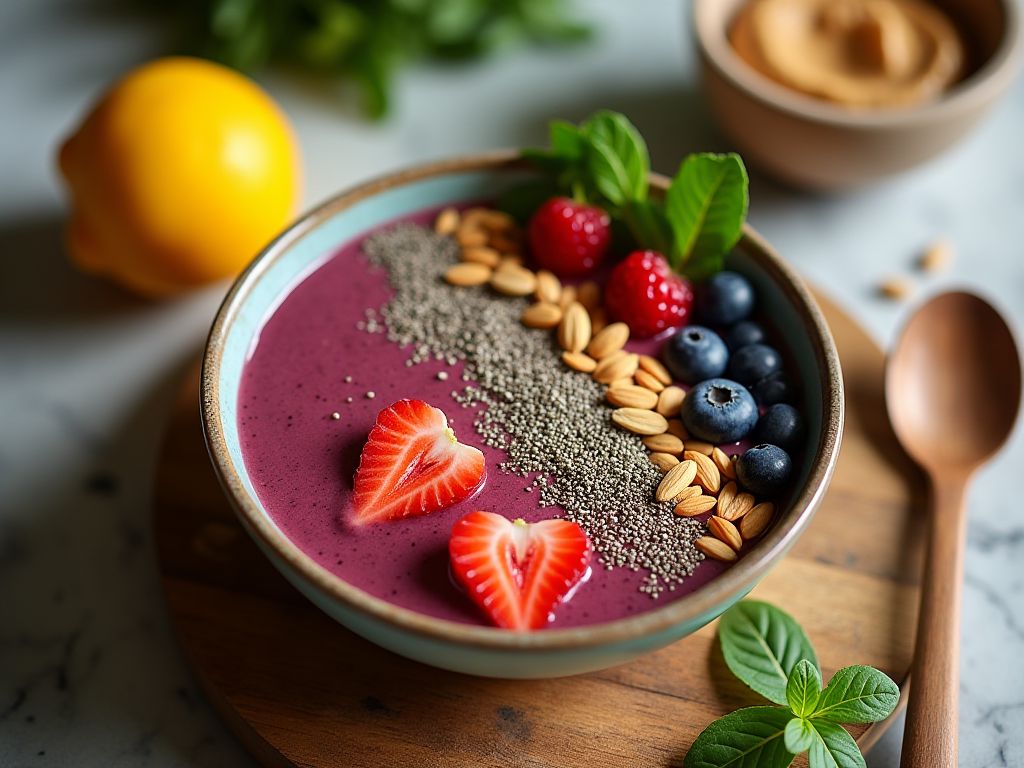
Omega-3 fatty acids from fatty fish or flaxseeds reduce arterial stiffness, while antioxidants in berries counteract oxidative stress. Avoiding excessive alcohol and processed foods isn’t a punishment—it’s a way to reduce endothelial damage. Some patients report unexpected improvements after cutting out refined carbs, even if they felt fine before.
3. Hydration Isn’t Just for Thirst
Dehydration thickens blood, making it harder for vessels to manage flow. Staying adequately hydrated—especially in hot climates or during illness—can ease symptoms like dizziness or fatigue. Yet, overhydration is equally dangerous; balance is key.
4. Sleep as a Circulatory Reset
Deep sleep triggers the release of growth hormone, which supports vascular repair. Poor sleep quality, on the other hand, elevates cortisol and impairs blood sugar regulation. This is where many people get stuck: they know they should sleep better, but without addressing underlying stress or screen time, progress stalls.
5. Stress Management Isn’t a Luxury
Chronic stress elevates heart rate and constricts blood vessels, mimicking the effects of smoking. Mindfulness practices or even laughter can lower sympathetic nervous system activity. However, this isn’t a quick fix. Consistency in these habits often takes weeks to show measurable effects.
FAQ: What You’re Not Being Told About Circulation
- Can poor circulation be reversed? In many cases, yes—but reversal depends on the root cause. For lifestyle-related issues, improvements are often gradual. For genetic or autoimmune factors, management is the goal.
- Is there a quick fix? No. Supplements like ginkgo biloba or niacin may help, but they’re not substitutes for behavior change. Some patients expect magic pills, only to find that they’re still struggling with inactivity or poor diet.
- Do cold hands always mean poor circulation? Not necessarily. Raynaud’s phenomenon or even ambient temperature can play a role. A healthcare provider can differentiate between benign and concerning causes.
Takeaway: Progress, Not Perfection, Is the Goal
Your circulatory system isn’t a puzzle you solve in one day—it’s a garden you tend daily. If consistency is the issue, consider tools that help track habits, like a wearable that monitors activity or sleep. This is where many people get stuck: they know what they should do, but without support, old patterns resurface.
Recommended for your journey
We've handpicked this top-rated health tool to help you achieve the results discussed in this article.
Check Price on Amazon*As an Amazon Associate, CureCurious.com earns from qualifying purchases.
Scientific References
- "High-intensity interval training in patients with lifestyle-induced cardiometabolic disease: a systematic review and meta-analysis." (2014) View Study →
- "Reversing the Cardiac Effects of Sedentary Aging in Middle Age-A Randomized Controlled Trial: Implications For Heart Failure Prevention." (2018) View Study →

Written by Dr. Linda Wei
Dermatologist & Skincare Expert
"Dr. Wei is dedicated to evidence-based skincare. She helps readers navigate the complex world of cosmetic ingredients to find what truly works for their skin type."