Why Information Overload In Modern Diets
Published on April 29, 2026
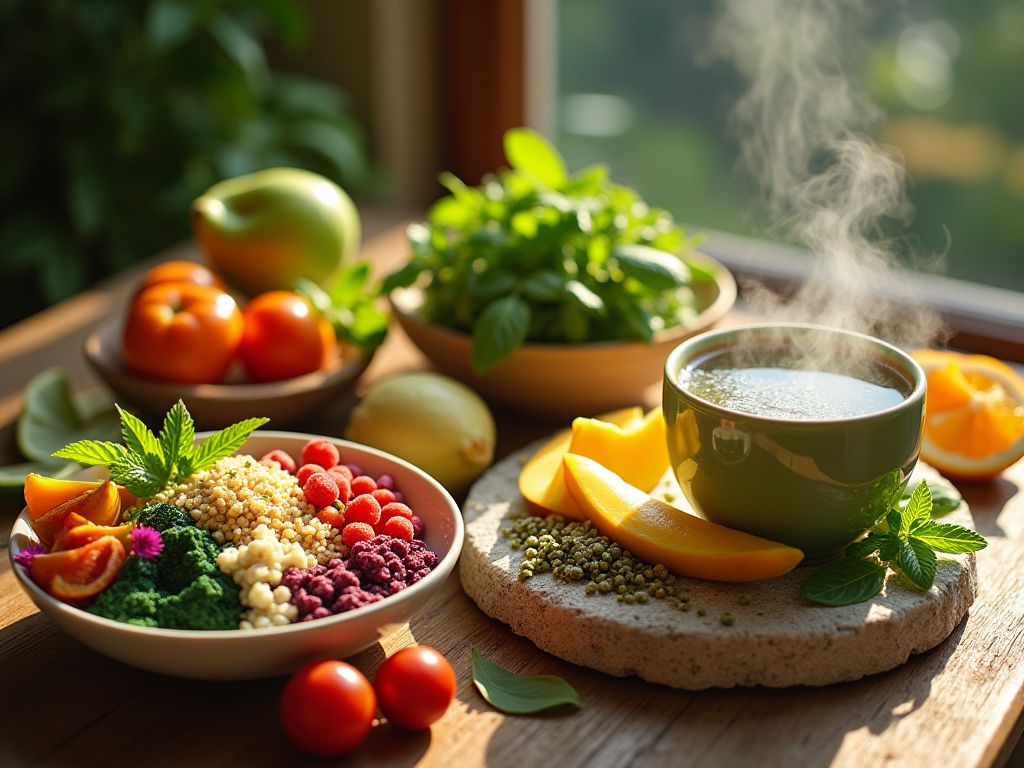
The Paradox of Plenty: How Dietary Confusion Undermines Brain Health
Every day, we’re bombarded with headlines promising cognitive boosts from keto, intermittent fasting, or “superfoods” like spirulina. But here’s the catch: the more information we consume, the less likely we are to make decisions that actually support brain function. This isn’t just noise—it’s a systemic failure of modern nutrition advice to align with human biology.
The Silent Crisis: Why Most Advice Fails
Modern diets are framed as puzzles with missing pieces. Apps claim to “optimize” your brain by analyzing your macronutrient ratios, while influencers tout “neuroprotective” smoothie recipes with no clinical backing. The problem isn’t the information itself—it’s how it’s presented. Scientific studies often focus on isolated compounds (like omega-3s or curcumin) without considering how they interact with the rest of your diet, lifestyle, or genetics. This creates a false sense of precision, leading people to believe they can “hack” their brain health with a single supplement or trend.
In clinical practice, I’ve seen patients spend hours researching diets only to end up more confused. One told me they tried three different “brain-boosting” regimens in six months, each contradicting the last. The result? Exhaustion, not clarity. This isn’t a failure of science—it’s a failure of communication. When experts prioritize novelty over simplicity, the public pays the price in mental fog and inconsistent results.
6 Practical Fixes for Navigating Dietary Chaos
1. **Prioritize Whole Foods Over Fads** Focus on unprocessed, nutrient-dense foods like leafy greens, fatty fish, and nuts. These provide a symphony of vitamins, minerals, and antioxidants that work together to support synaptic health. Avoid single-ingredient “miracle” claims—your brain thrives on balance, not extremes.
2. **Adopt the “80/20” Rule** Allow yourself 20% flexibility for occasional indulgences. Strict diets often lead to burnout, which increases cortisol and impairs memory. Consistency, not perfection, is the goal.
3. **Question the Source** Peer-reviewed journals are your allies. If a study is cited in a news article, check the original paper. Many headlines exaggerate findings—like claiming a certain berry “prevents Alzheimer’s” when the research only shows preliminary anti-inflammatory effects.
4. **Track Symptoms, Not Just Macros** Keep a journal of how you feel after meals. Brain fog, irritability, or fatigue can signal hidden deficiencies (like B12 or iron) that no diet plan addresses without personalized testing.
5. **Limit Multitasking in Decision-Making** Your prefrontal cortex can only handle so much. When choosing meals, avoid scrolling through social media or comparing 10 different “brain-boosting” recipes. This cognitive overload undermines the very function you’re trying to protect.
6. **Consult a Specialist, Not a Algorithm** Registered dietitians or neurologists can interpret research in context. They’ll help you avoid pitfalls like over-reliance on protein powders or excessive caffeine, which can disrupt sleep and long-term cognitive resilience.
A Final Checklist for Clarity
- ✅ Replace 1–2 processed meals weekly with whole-food alternatives.
- ✅ Set a daily limit for checking nutrition trends (e.g., 15 minutes max).
- ✅ Schedule a blood test to identify potential deficiencies.
- ✅ Use a simple app to log meals and track mood changes.
- ✅ Revisit your goals monthly, adjusting based on real outcomes, not headlines.
This is where many people get stuck: the gap between knowing what to do and actually doing it. If consistency is the issue, consider tools that simplify meal planning or track micronutrient intake without overwhelming you. These aren’t shortcuts—they’re scaffolding for habits that last.
[AMAZON_PRODUCT_PLACEHOLDER]
Remember, no single strategy guarantees success. Your brain is a complex system shaped by decades of habits, stress, and environment. The goal isn’t to eliminate confusion—it’s to build a framework that makes informed choices feel less daunting. Start small, stay curious, and trust the process over the promise.
Recommended for your journey
We've handpicked this top-rated health tool to help you achieve the results discussed in this article.
Check Price on Amazon*As an Amazon Associate, CureCurious.com earns from qualifying purchases.
Scientific References
- "Liver Stiffness Rises Early in MASLD and Drives Inflammation, Lipid Dysmetabolism, and Fibrosis via Piezo1-YAP Mechanotransduction." (2026) View Study →
- "Transport of cholesterol." (1983) View Study →

Written by Dr. Linda Wei
Dermatologist & Skincare Expert
"Dr. Wei is dedicated to evidence-based skincare. She helps readers navigate the complex world of cosmetic ingredients to find what truly works for their skin type."