Postpartum Recovery: Exercise Protocol
Published on December 12, 2025
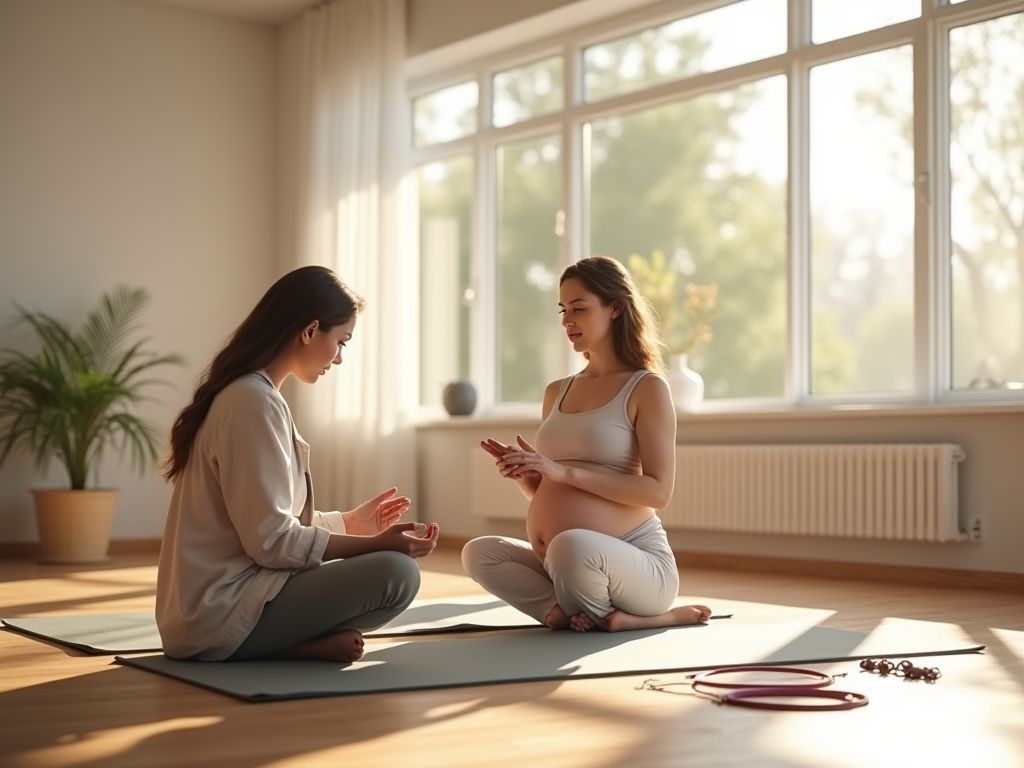
Postpartum Recovery: A Comprehensive Exercise Protocol for Health and Wellness
Postpartum recovery is a critical phase that requires attention to both physical and emotional well-being. For many new mothers, reintroducing exercise into their routine is a key step toward regaining strength, improving mood, and restoring bodily function. However, the journey back to fitness must be approached with care, guided by science and individual needs. This article provides a detailed, evidence-based exercise protocol to support postpartum recovery, ensuring safety and effectiveness for every stage of healing.
1. Understanding the Postpartum Body
After childbirth, the body undergoes profound changes. Muscles, ligaments, and organs shift to accommodate the baby’s exit, and hormones fluctuate dramatically. Recovery timelines vary—some women may feel ready to exercise within weeks, while others require months. Understanding these changes is essential to avoid injury and promote healing. Key areas to focus on include the pelvic floor, core muscles, and overall cardiovascular endurance.
Partner Content


2. When to Start Postpartum Exercise
Most healthcare providers recommend waiting 6–8 weeks postpartum before beginning structured exercise, unless complications arise. However, gentle activities like walking or pelvic floor exercises can be initiated earlier, even during the first few weeks. Always consult a healthcare provider before starting any postpartum exercise program, especially after a cesarean delivery, complicated birth, or if experiencing symptoms like heavy bleeding or severe pain.
3. Safety Precautions for Postpartum Exercise
Safety should be the top priority. Avoid high-impact activities, heavy lifting, and exercises that strain the pelvic floor until cleared by a professional. Use proper form during all movements, stay hydrated, and listen to your body. If pain, dizziness, or discomfort occurs, stop immediately and seek medical advice.
4. Initial Postpartum Exercises: Gentle Movement
Begin with low-impact, bodyweight exercises to restore mobility and circulation. Examples include:
- Pelvic tilts: Lie on your back, gently arch and flatten your lower back against the floor.
- Leg lifts: Lie on your side and lift your top leg slowly, keeping it straight.
- Walking: A 20–30 minute walk daily helps improve cardiovascular health and mood.
5. Pelvic Floor Rehabilitation: The Foundation of Recovery
Weakened pelvic floor muscles can lead to incontinence or pelvic organ prolapse. Kegel exercises, which involve contracting and relaxing the pelvic floor muscles, are essential. Aim for 3 sets of 10 repetitions daily. For best results, work with a pelvic floor therapist or physical therapist specializing in postpartum care.
6. Core Strengthening: Gradual Progression
A strong core supports posture and prevents back pain. Start with exercises that engage the transverse abdominis, such as:
- Dead bugs: Lie on your back, extend opposite arm and leg while engaging your core.
- Bird-dog: On hands and knees, extend one arm and leg at a time.
- Plank variations: Begin on your knees and gradually transition to a full plank as strength improves.
7. Cardiovascular Health: Low-Impact Options
Cardiovascular exercise boosts energy and mental health. Opt for low-impact activities like swimming, cycling, or using an elliptical machine. Start with 10–15 minutes per session and gradually increase duration and intensity. Avoid activities that cause joint pain or strain.
8. Strength Training: Building Muscle Safely
Strength training can be introduced 6–8 weeks postpartum, focusing on major muscle groups. Use light weights with high repetitions to build endurance. Prioritize exercises that target the upper body (e.g., seated rows) and lower body (e.g., squats with a chair for support). Always maintain proper form to avoid injury.
9. Progression and Intensity: Listening to Your Body
As recovery progresses, gradually increase the complexity and intensity of workouts. Track improvements in strength, endurance, and mood. If fatigue or pain returns, scale back and focus on rest and nutrition. Consistency is key, but overexertion can hinder healing.
10. Long-Term Recovery Strategies: Holistic Approaches
Postpartum recovery is not just about exercise—it’s a holistic process. Combine physical activity with adequate sleep, a nutrient-rich diet, and emotional support. Consider postnatal yoga, mindfulness practices, or joining support groups to address mental health and build community.
Frequently Asked Questions (FAQ)
- Q: Can I exercise if I had a cesarean section?
A: Yes, but avoid abdominal exercises until your incision is fully healed. Focus on walking and upper-body movements initially.
- Q: How long should I wait to start strength training?
A: Typically 6–8 weeks postpartum, but consult your healthcare provider first, especially if you had a complicated delivery.
- Q: Is it safe to exercise with postpartum depression?
A: Yes, but seek professional help alongside exercise. Gentle activities like walking or yoga can alleviate symptoms.
- Q: Can I lose weight through postpartum exercise?
A: Yes, but prioritize nourishment and rest. Weight loss should be gradual and sustainable, not rushed.
Conclusion: Embracing a Journey of Healing
Postpartum recovery is a unique and personal journey, one that requires patience, self-compassion, and a structured approach to exercise. By following a science-backed protocol, new mothers can rebuild strength, restore function, and improve their overall well-being. Remember, every step forward—no matter how small—is a victory. Prioritize safety, listen to your body, and celebrate progress along the way. With time, care, and the right support, postpartum recovery can become a powerful foundation for a healthier, more vibrant life.
Scientific References & Medical Evidence
- "Effect of Pelvic Floor Workout on Pelvic Floor Muscle Function Recovery of Postpartum Women: Protocol for a Randomized Controlled Trial." (2022) View study on PubMed.gov →
- "Development and validation of the physical exercise program "Active Mums" for postpartum recovery: application of the CReDECI-2 guidelines." (2024) View study on PubMed.gov →
CureCurious verifies facts through peer-reviewed research.
You might also like


Recommended for your journey
We've handpicked this top-rated health tool to help you achieve the results discussed in this article.
Check Price on Amazon*As an Amazon Associate, CureCurious.com earns from qualifying purchases. This helps us keep our research free for everyone.

Written by Dr. Sarah Mitchell
Nutrition Expert & MD
"Dr. Sarah Mitchell is a board-certified nutritionist with over 15 years of experience in clinical dietetics. She specializes in metabolic health and gut microbiome research."