Practical Metabolic Rate Boost Supplement Stack
Published on December 12, 2025
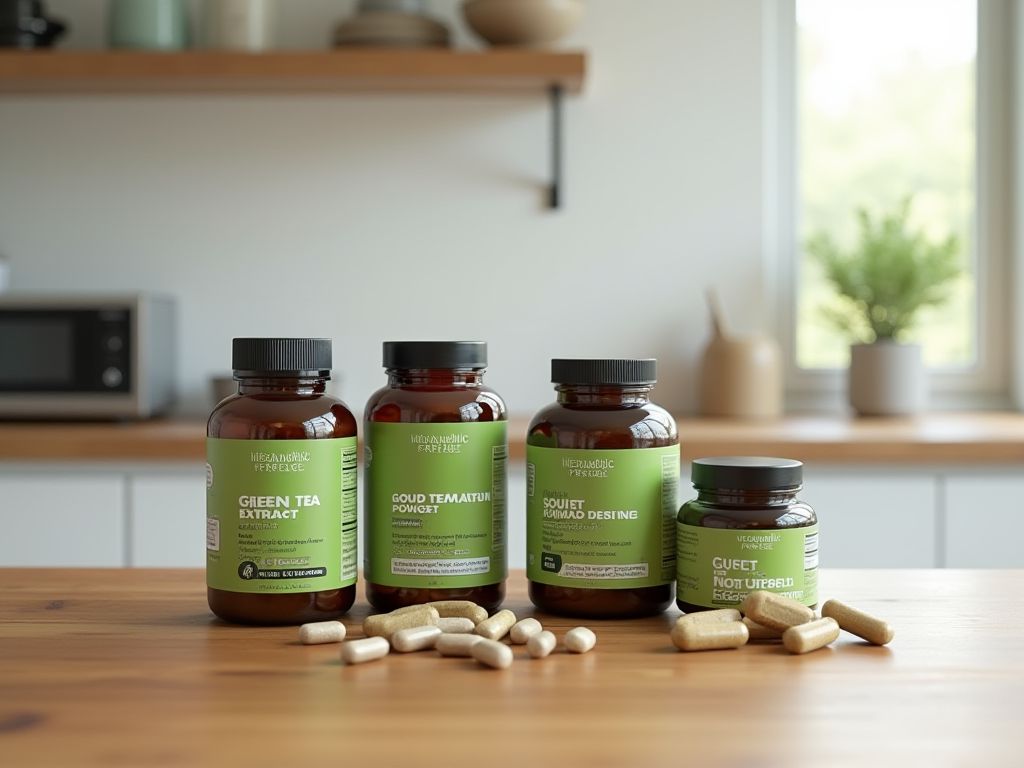
Boost Your Metabolism: A Science-Backed Supplement Stack for Energy and Weight Management
Metabolism is the engine that keeps your body running, converting food into energy and maintaining vital functions. However, as we age or lead sedentary lifestyles, our metabolic rate can slow down, making weight management and energy levels more challenging. While diet and exercise are cornerstones of metabolic health, certain supplements can work synergistically to enhance fat burning, support hormonal balance, and boost energy. In this article, we’ll explore a practical, science-backed supplement stack designed to optimize metabolic function safely and effectively.
1. Caffeine: The Time-Tested Metabolic Catalyst
Caffeine is one of the most researched compounds for boosting metabolic rate. Studies show it can increase thermogenesis (heat production) by 3–11% and enhance fat oxidation. Found in coffee, green tea, and supplements, caffeine also improves physical performance and mental alertness. For optimal results, aim for 200–400 mg daily, but avoid late-afternoon doses to prevent sleep disruption.
2. Green Tea Extract: A Powerful Antioxidant and Fat Burner
Green tea extract contains catechins, particularly epigallocatechin gallate (EGCG), which work with caffeine to increase metabolic rate and fat oxidation. Research indicates that combining green tea extract with caffeine can boost calorie burn by up to 4% over 24 hours. Look for supplements with at least 50% EGCG content and a caffeine-to-EGCG ratio of 1:1 for maximum efficacy.
3. Protein Powder: Building Blocks for Satiety and Metabolism
High-protein diets have been shown to increase metabolic rate by up to 100 calories per day due to the thermic effect of food. Whey, casein, and plant-based protein powders can help meet daily protein needs, especially for those with busy lifestyles. Aim for 1.6–2.2 grams of protein per kilogram of body weight, distributed evenly across meals.
4. Creatine Monohydrate: Beyond Muscle Building
While creatine is famous for enhancing strength and muscle growth, it also supports metabolic health by increasing ATP production in cells. This can improve exercise performance and help preserve lean muscle mass during calorie restriction, which is crucial for maintaining a high metabolic rate. Take 3–5 grams daily, preferably with a carbohydrate-rich meal for better absorption.
5. Ashwagandha: Stress Management for Metabolic Balance
Chronic stress elevates cortisol, a hormone that can slow metabolism and promote fat storage. Ashwagandha, an adaptogenic herb, has been shown to reduce cortisol levels by up to 28% in clinical trials. This helps regulate appetite, improve sleep, and support metabolic efficiency. Take 300–500 mg of standardized extract daily.
6. Omega-3 Fatty Acids: Anti-Inflammatory Metabolic Allies
Omega-3s (EPA and DHA) reduce inflammation, which can impair insulin sensitivity and metabolic function. Studies link higher omega-3 intake with improved mitochondrial function and fat oxidation. Aim for 1–3 grams of combined EPA and DHA daily, either through fatty fish or high-quality fish oil supplements.
7. Iron: Preventing Metabolic Slowdown from Deficiency
Iron deficiency is a common cause of fatigue and metabolic slowdown, especially in women and vegetarians. Iron plays a critical role in oxygen transport and energy production. Take 18 mg of elemental iron daily (or 27 mg for those with anemia), paired with vitamin C-rich foods to enhance absorption.
8. Probiotics: Gut Health for Metabolic Efficiency
The gut microbiome influences metabolism, weight, and nutrient absorption. Probiotic supplements containing strains like Lactobacillus and Bifidobacterium can improve gut health, reduce inflammation, and enhance metabolic rate. Look for products with at least 10 billion CFUs and a diverse range of strains.
9. Vitamin D: The Hormone That Regulates Metabolism
Vitamin D deficiency is linked to metabolic disorders, including obesity and insulin resistance. This fat-soluble vitamin supports mitochondrial function and hormone regulation. Aim for 2,000–5,000 IU of vitamin D3 daily, especially during winter months or if sun exposure is limited.
10. L-Theanine: Enhancing Focus for Sustainable Energy
L-theanine, found in green tea, promotes relaxation without drowsiness and enhances cognitive function. By reducing stress and improving focus, it helps maintain consistent energy levels and metabolic efficiency. Take 100–200 mg daily, ideally with caffeine for a synergistic effect.
Frequently Asked Questions
- Are these supplements safe for long-term use?
Most are safe when taken as directed, but consult a healthcare provider if you have medical conditions or are on medications.
- Can I combine all these supplements together?
Yes, but start with one or two to assess tolerance. Avoid taking caffeine late in the day or with iron to prevent stomach upset.
- How long until I see results?
Results vary, but consistent use for 4–6 weeks is typically needed to notice changes in energy, focus, and metabolic efficiency.
- Do these supplements replace a healthy diet and exercise?
No. Supplements should complement—not replace—nutrient-dense meals and regular physical activity.
Conclusion: A Holistic Approach to Metabolic Health
Boosting your metabolic rate is not a one-size-fits-all solution. This supplement stack—rooted in scientific research—offers a practical way to enhance energy, fat burning, and hormonal balance. However, it’s essential to pair these supplements with a balanced diet, regular exercise, and adequate sleep. By adopting a holistic approach, you can create a sustainable foundation for long-term metabolic health and vitality.
Scientific References & Medical Evidence
- "Sodium bicarbonate improves sprint performance in endurance cycling." (2021) View study on PubMed.gov →
CureCurious verifies facts through peer-reviewed research.
You might also like


Recommended for your journey
We've handpicked this top-rated health tool to help you achieve the results discussed in this article.
Check Price on Amazon*As an Amazon Associate, CureCurious.com earns from qualifying purchases. This helps us keep our research free for everyone.

Written by Dr. Sarah Mitchell
Nutrition Expert & MD
"Dr. Sarah Mitchell is a board-certified nutritionist with over 15 years of experience in clinical dietetics. She specializes in metabolic health and gut microbiome research."