Processed Food Dependency And Alcohol Consumption Explained By Medical Research
Published on December 15, 2025
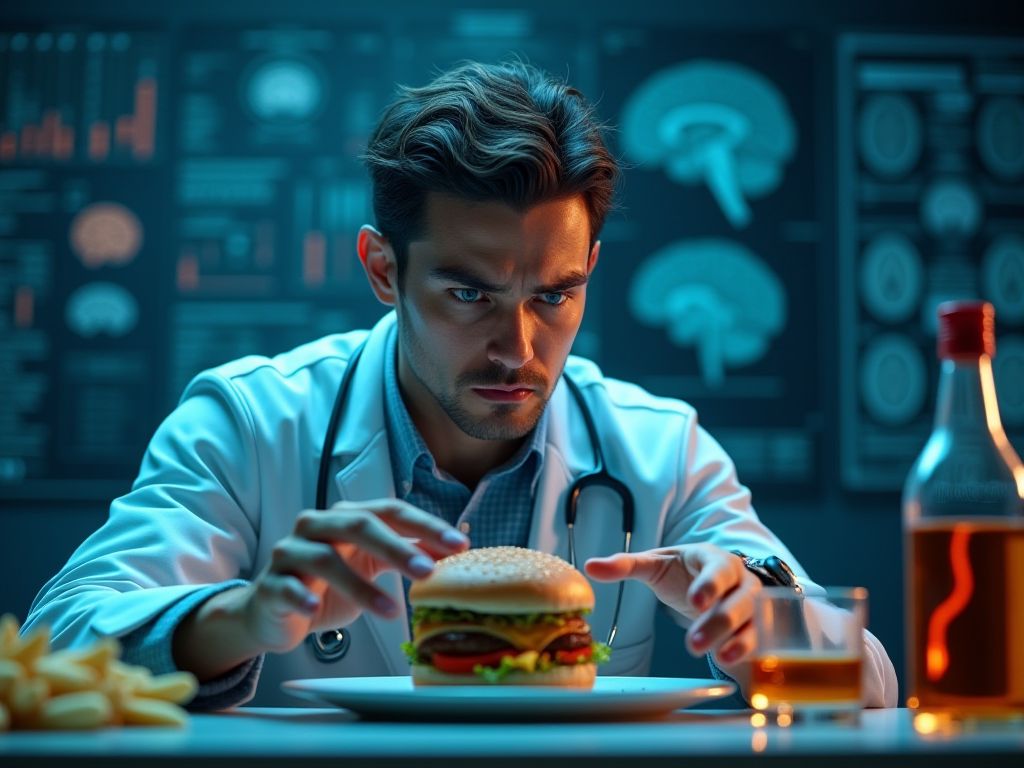
Understanding Processed Food Dependency and Alcohol Consumption: A Medical Perspective
In an era where convenience often trumps nutrition, processed foods and alcohol have become staples in many diets. However, emerging medical research reveals a troubling connection: both substances can trigger dependency mechanisms in the brain, leading to long-term health consequences. This article explores the science behind these dependencies, their impacts on physical and mental health, and evidence-based strategies for healthier living.
1. The Science of Processed Food Addiction
Processed foods are engineered to be hyper-palatable, combining high levels of sugar, fat, and salt to activate the brain’s reward system. Studies published in Neuroscience & Biobehavioral Reviews show that these ingredients stimulate dopamine release, similar to addictive drugs, creating a cycle of craving and overconsumption.
2. Alcohol and the Brain’s Reward Pathways
Alcohol consumption also hijacks the brain’s reward system. Research from the Journal of Neuroscience explains that alcohol increases dopamine levels in the nucleus accumbens, reinforcing drinking behavior and making it difficult to quit, even in the face of negative consequences.
3. How Processed Foods Affect Metabolism
Processed foods are often high in refined carbohydrates and unhealthy fats, which can disrupt metabolic function. A 2022 study in Cell Metabolism linked regular consumption to insulin resistance, obesity, and type 2 diabetes, highlighting the role of inflammation and gut microbiome imbalance.
4. Alcohol’s Impact on Liver Health
Chronic alcohol consumption is a leading cause of liver disease. According to the World Journal of Gastroenterology, even moderate drinking can lead to fatty liver disease, cirrhosis, and increased risk of liver cancer, due to the toxic byproducts of alcohol metabolism.
5. The Gut-Brain Axis and Dependency
Both processed foods and alcohol alter the gut microbiome. A 2021 review in Nature Reviews Gastroenterology & Hepatology found that imbalances in gut bacteria can worsen mental health conditions like anxiety and depression, while also increasing cravings for unhealthy foods and alcohol.
6. Mental Health and Dependency Cycles
Depression and anxiety often co-occur with processed food dependency and alcohol abuse. The American Journal of Psychiatry reports that these conditions can create a feedback loop: stress may drive overeating or drinking, which in turn exacerbates mental health issues.
7. Societal and Environmental Factors
Socioeconomic status and food environments play a significant role. A 2023 study in The Lancet Public Health found that low-income communities have greater access to cheap, processed foods and fewer resources to avoid alcohol, contributing to higher rates of dependency and related illnesses.
8. Medical Research on Long-Term Consequences
Long-term consumption of processed foods and alcohol is associated with chronic diseases. The British Medical Journal highlights that these habits increase the risk of cardiovascular disease, cognitive decline, and certain cancers, emphasizing the need for early intervention.
9. Strategies for Breaking Dependency
Medical professionals recommend a multifaceted approach: dietary changes (e.g., increasing whole foods), behavioral therapy, and in some cases, medication. The Journal of Addiction Medicine supports the use of cognitive-behavioral therapy to address the psychological aspects of dependency.
10. The Role of Policy and Public Health
Public health initiatives, such as taxing sugary drinks and regulating alcohol advertising, have shown promise. A 2020 report from the Centers for Disease Control and Prevention suggests that policy changes can reduce consumption rates and improve population health outcomes.
Frequently Asked Questions
- Why are processed foods addictive? They trigger dopamine release through high sugar, fat, and salt content, similar to addictive substances.
- Can alcohol cause dependency even with occasional use? Yes, even moderate drinking can alter brain chemistry and lead to dependency over time.
- How can I reduce my reliance on processed foods? Focus on whole, unprocessed foods; plan meals; and limit access to unhealthy snacks.
- Is it possible to quit alcohol without professional help? While some individuals succeed, professional support (e.g., therapy, support groups) significantly improves success rates.
- What role does the gut microbiome play in dependency? An imbalanced gut microbiome can worsen cravings and mental health, making dependency harder to break.
Conclusion
Processed food dependency and alcohol consumption are complex issues rooted in biology, psychology, and societal factors. By understanding the science behind these dependencies and leveraging evidence-based strategies, individuals can take meaningful steps toward better health. Prioritizing whole foods, seeking professional support, and advocating for systemic change are critical in breaking the cycle of dependency for good.
Scientific References & Medical Evidence
- "Anti-consumption agents: Tirzepatide and semaglutide for treating obesity-related diseases and addictions, and improving life expectancy." (2025) View study on PubMed.gov →
- "Investigating gender differences in the co-occurrence of PTSD and food addiction." (2023) View study on PubMed.gov →
CureCurious verifies facts through peer-reviewed research.
You might also like


Recommended for your journey
We've handpicked this top-rated health tool to help you achieve the results discussed in this article.
Check Price on Amazon*As an Amazon Associate, CureCurious.com earns from qualifying purchases. This helps us keep our research free for everyone.

Written by Dr. Sarah Mitchell
Nutrition Expert & MD
"Dr. Sarah Mitchell is a board-certified nutritionist with over 15 years of experience in clinical dietetics. She specializes in metabolic health and gut microbiome research."