Recovery Techniques Without Expensive Treatments For Over 50 With Natural Remedies
Published on December 14, 2025
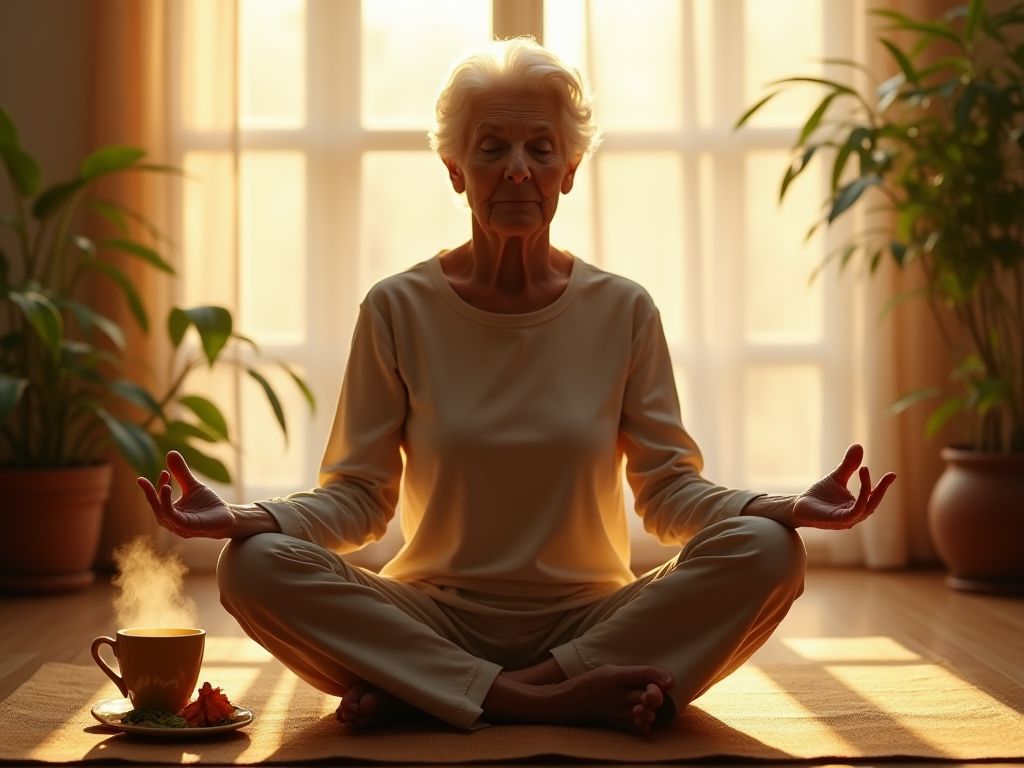
Revitalizing Recovery: Natural Remedies for Over 50s Without Breaking the Bank
As we age, our bodies require more intentional care to maintain vitality and recover from everyday wear and tear. For those over 50, expensive treatments are not always the answer—often, simple, natural remedies can be just as effective. Whether you’re dealing with joint pain, fatigue, or chronic conditions, science-backed techniques rooted in nature can support your recovery journey without the financial strain. This article explores 10 accessible, cost-effective strategies to help you thrive in your later years.
1. Gentle Movement: The Power of Low-Impact Exercise
Regular physical activity is a cornerstone of recovery, even for older adults. Low-impact exercises like walking, swimming, or yoga improve circulation, reduce inflammation, and enhance flexibility. Tai Chi, in particular, has been shown to improve balance and reduce fall risk in seniors. Aim for 30 minutes of daily movement to keep your body strong and resilient.
2. Nutrition: Fuel Your Body with Anti-Inflammatory Foods
What you eat directly impacts your recovery. Focus on foods rich in antioxidants, omega-3s, and anti-inflammatory compounds. Berries, leafy greens, fatty fish (like salmon), and turmeric are excellent choices. Staying hydrated with water and herbal teas also supports joint health and detoxification.
3. Quality Sleep: The Foundation of Healing
Poor sleep accelerates aging and weakens the immune system. Prioritize 7-9 hours of rest by creating a calming bedtime routine: avoid screens before bed, keep your room cool, and use blackout curtains. Herbal teas like chamomile or valerian root can help you unwind naturally.
4. Mind-Body Practices: Meditation and Deep Breathing
Stress and anxiety can hinder recovery. Practices like mindfulness meditation, guided breathing, or progressive muscle relaxation reduce cortisol levels and promote mental clarity. Studies show that even 10 minutes of daily meditation can improve mood and resilience in older adults.
5. Heat and Cold Therapy: A Simple Pain Reliever
Alternating between heat and cold therapy can alleviate pain and stiffness. Apply a warm compress to sore muscles for 15 minutes, then switch to a cold pack for 10 minutes. This technique is particularly effective for arthritis or muscle aches.
6. Herbal Remedies: Nature’s Medicine Cabinet
Herbs like ginger, arnica, and devil’s claw have been used for centuries to reduce inflammation and pain. Always consult a healthcare provider before using herbs, especially if you’re on medication. Topical applications, such as arnica cream, are safe and accessible for minor aches.
7. Hydrotherapy: Healing with Water
Soaking in a warm bath with Epsom salts or using a hydrotherapy pool can ease muscle tension and improve circulation. Water-based exercises like water aerobics are low-impact and gentle on joints, making them ideal for older adults.
8. Social Connections: The Role of Community in Recovery
Isolation can worsen physical and mental health. Engaging with friends, joining community groups, or volunteering fosters a sense of purpose and reduces loneliness. Social interaction has been linked to slower cognitive decline and improved mood.
9. Regular Check-Ups: Prevention is Key
While natural remedies are powerful, they should complement—not replace—routine medical care. Regular visits to your doctor ensure that any underlying issues are addressed early, allowing natural methods to work synergistically with professional guidance.
10. Stress Management: Cultivating Resilience
Chronic stress accelerates aging and weakens recovery. Incorporate activities like gardening, listening to music, or journaling to manage stress naturally. Laughter, too, is a potent healer—spend time with loved ones or watch a comedy to boost endorphins.
Frequently Asked Questions
- Are natural remedies safe for older adults? Yes, when used responsibly and in consultation with a healthcare provider. Always check for interactions with medications or existing conditions.
- How long does it take to see results? Consistency is key. Many people notice improvements in energy and mobility within weeks of adopting these practices.
- Can natural remedies replace medical treatment? No. They should be used as complementary approaches, not substitutes for professional care.
Conclusion: Embrace a Holistic Approach to Recovery
Recovery doesn’t have to be expensive or invasive. By integrating natural remedies, movement, and mindful practices into your daily life, you can enhance your well-being and maintain vitality well into your golden years. Remember, small, consistent changes yield the most profound results. Start today—your body and mind will thank you.
Scientific References & Medical Evidence
- "Systematic review of systematic reviews of non-pharmacological interventions to treat behavioural disturbances in older patients with dementia. The SENATOR-OnTop series." (2017) View study on PubMed.gov →
- "The Effects of Music Therapy on Cognition, Psychiatric Symptoms, and Activities of Daily Living in Patients with Alzheimer's Disease." (2018) View study on PubMed.gov →
CureCurious verifies facts through peer-reviewed research.
You might also like


Recommended for your journey
We've handpicked this top-rated health tool to help you achieve the results discussed in this article.
Check Price on Amazon*As an Amazon Associate, CureCurious.com earns from qualifying purchases. This helps us keep our research free for everyone.

Written by Mark Davies
Certified Fitness Coach
"Mark is a certified strength and conditioning specialist (CSCS). He helps people build sustainable fitness habits and recover from sports injuries."