Recovery Techniques Without Medication
Published on December 14, 2025
Non-Medication Recovery Techniques: A Comprehensive Guide to Healing the Body and Mind
Recovery is a vital process that allows the body and mind to heal from stress, injury, or illness. While medication can play a role in certain cases, many effective recovery techniques require no pharmaceutical intervention. This article explores science-backed, non-medical strategies to support physical and mental well-being, empowering you to take control of your health. From restorative sleep to mindfulness practices, these methods are accessible, cost-effective, and rooted in research.
1. Prioritize Quality Sleep
sleep is the foundation of recovery. During deep sleep, the body repairs tissues, consolidates memories, and balances hormones. Studies show that chronic sleep deprivation can impair immune function, increase inflammation, and delay healing. Aim for 7–9 hours of uninterrupted sleep each night. To improve sleep quality:
- Stick to a consistent bedtime and wake-up time.
- Avoid screens and caffeine 2–3 hours before bed.
- Create a dark, cool, and quiet sleep environment.
2. Nutrient-Dense Diet
What you eat directly impacts recovery. A diet rich in whole foods provides essential nutrients for tissue repair, energy, and mental clarity. Key components include:
- Proteins (e.g., lean meats, legumes) for muscle repair.
- Antioxidants (e.g., berries, leafy greens) to reduce oxidative stress.
- Omega-3 fatty acids (e.g., salmon, flaxseeds) for inflammation control.
- Hydrating foods (e.g., watermelon, cucumbers) to maintain fluid balance.
3. Gentle Exercise and Movement
Low-impact physical activity promotes circulation, reduces stiffness, and boosts endorphins. Activities like yoga, walking, or swimming can accelerate recovery. Research indicates that moderate exercise enhances mitochondrial function, which is crucial for cellular repair.
4. Mindfulness and Meditation
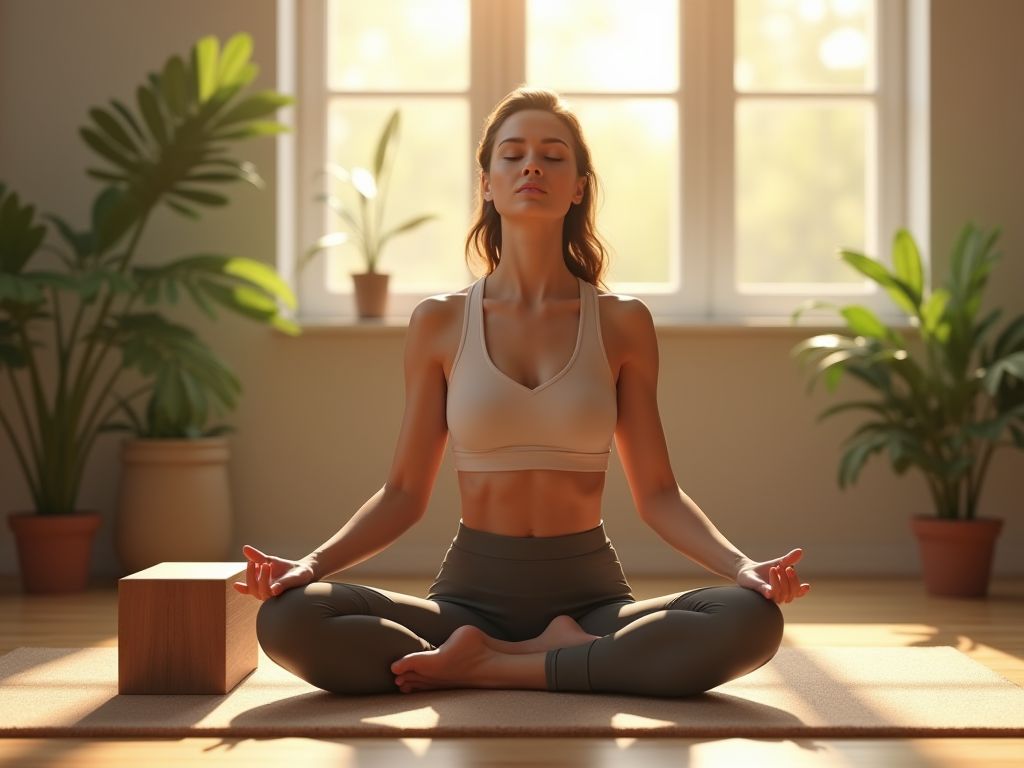
Mental recovery is just as important as physical healing. Mindfulness practices reduce stress, lower cortisol levels, and improve emotional resilience. Studies show that meditation can increase gray matter density in brain regions associated with self-awareness and compassion.
5. Hydration
Dehydration impairs physical performance and cognitive function. Water is essential for transporting nutrients, regulating body temperature, and flushing out toxins. Aim to drink 2–3 liters of water daily, adjusting based on activity level and climate.
6. Heat and Cold Therapy
Alternating between heat and cold can reduce inflammation and pain. Heat therapy (e.g., warm baths) relaxes muscles and increases blood flow, while cold therapy (e.g., ice packs) numbs pain and constricts blood vessels. This method is commonly used in physical therapy for injuries.
7. Massage and Manual Therapy
Massage therapy alleviates muscle tension, improves circulation, and reduces stress hormones. Studies show that regular massages can lower cortisol and increase serotonin levels, promoting relaxation and recovery.
8. Social Support and Connection
Strong social relationships are linked to faster recovery from illness and lower mortality rates. Emotional support from friends, family, or support groups reduces feelings of isolation and enhances psychological resilience. Research highlights the role of oxytocin (the "bonding hormone") in stress reduction.
9. Breathing Techniques
Deep breathing activates the parasympathetic nervous system, which promotes relaxation. Techniques like box breathing (inhale for 4 seconds, hold for 4, exhale for 4, hold for 4) or diaphragmatic breathing can reduce anxiety and improve oxygen flow to tissues.
10. Time Management and Rest
Overexertion can hinder recovery. Prioritize rest days, set boundaries, and avoid burnout by balancing work and leisure. The "rest-activity cycle" theory suggests that periodic rest enhances productivity and prevents chronic fatigue.
Frequently Asked Questions (FAQ)
Q: Are these techniques effective for chronic conditions?
A: While they may not replace medical treatment, these methods can complement care for chronic conditions like arthritis or depression by reducing symptoms and improving quality of life.
Q: How long does it take to see results?
A: Results vary based on individual health, consistency, and the specific technique. Some benefits (e.g., improved sleep) may be felt within days, while others (e.g., muscle recovery) may take weeks.
Q: Can these techniques replace medication entirely?
A: No. Medication may be necessary for certain conditions. Always consult a healthcare provider before discontinuing prescribed treatments.
Q: Are there any risks associated with these methods?
A: When practiced correctly, these techniques are generally safe. However, overexertion during exercise, improper heat/cold application, or neglecting medical advice can pose risks.
Conclusion
Non-medication recovery techniques offer powerful, accessible tools for healing the body and mind. By integrating practices like proper sleep, nutrition, mindfulness, and movement into daily life, individuals can foster long-term health and resilience. While these methods are not a substitute for professional medical care, they can significantly enhance recovery outcomes. Start small, stay consistent, and remember that your well-being is worth the investment.
Scientific References & Medical Evidence
- "EULAR revised recommendations for the management of fibromyalgia." (2017) View study on PubMed.gov →
- "EULAR recommendations for the non-pharmacological core management of hip and knee osteoarthritis: 2023 update." (2024) View study on PubMed.gov →
CureCurious verifies facts through peer-reviewed research.
You might also like


Recommended for your journey
We've handpicked this top-rated health tool to help you achieve the results discussed in this article.
Check Price on Amazon*As an Amazon Associate, CureCurious.com earns from qualifying purchases. This helps us keep our research free for everyone.

Written by Dr. Sarah Mitchell
Nutrition Expert & MD
"Dr. Sarah Mitchell is a board-certified nutritionist with over 15 years of experience in clinical dietetics. She specializes in metabolic health and gut microbiome research."