Science-Backed Ashwagandha Extract At Home
Published on December 22, 2025
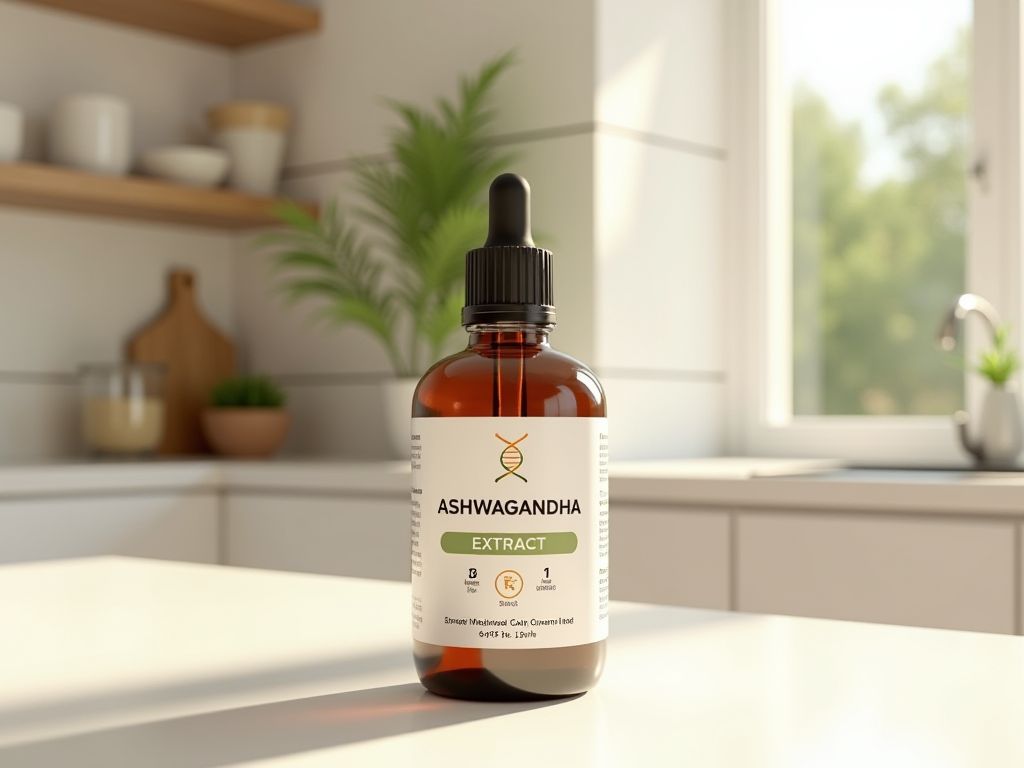
Unlock the Power of Science-Backed Ashwagandha Extract at Home
Imagine a natural remedy that’s been used for centuries in Ayurvedic medicine, now backed by modern science to boost your resilience, reduce stress, and enhance performance. That’s ashwagandha—a powerhouse adaptogen that’s gaining traction in labs and living rooms alike. The best part? You can make your own science-backed ashwagandha extract at home, no expensive supplements required. Let’s dive into how to do it right.
The Science Behind Ashwagandha: Why It Works
Ashwagandha (Withania somnifera) isn’t just a trendy herb—it’s a clinically studied root that supports the body’s ability to handle stress, improve sleep, and even boost testosterone in men. Key compounds like withanolides and alkaloids are the stars of the show, interacting with the hypothalamic-pituitary-adrenal (HPA) axis to calm the nervous system and reduce cortisol levels. Studies in Phytotherapy Research and Journal of Alternative and Complementary Medicine confirm its efficacy, making it a top pick for anyone looking to thrive under pressure.
How to Make Ashwagandha Extract at Home: Step-by-Step
Creating a potent extract at home is simpler than you think. Here’s how to do it right:
- Source the root: Buy high-quality dried ashwagandha root from a reputable supplier (avoid powders, which lose potency).
- Choose your solvent: Use either alcohol (like vodka) for a tincture or coconut oil for an oil-based extract. Alcohol pulls out more alkaloids, while oil is gentler on the stomach.
- Infuse: Chop the root into small pieces. Submerge in solvent in a glass jar, cover, and let sit in a dark place for 4–6 weeks, shaking daily.
- Strain and store: Use a fine mesh strainer or cheesecloth to remove solids. Store in a dark glass bottle away from heat and light.
Mistakes to Avoid: Don’t Let These Sink Your Extract
Even the best intentions can go sideways if you skip these steps:
- Using the wrong part of the plant: Only the root has medicinal properties—leaves and berries are inert.
- Skipping the drying process: Fresh root rots quickly and loses potency. Always use dried root.
- Not letting it steep long enough: Rushing the infusion results in a weak extract. Patience is key.
- Exposing it to light: UV light degrades active compounds. Store your extract in a dark container.
Integrate It Into Your Routine: Dosage and Timing
Once you’ve made your extract, consistency is crucial. Start with 1–2 mL (about 20–40 drops) of tincture or 1 teaspoon of oil extract daily. Take it in the morning or evening, depending on your goals: morning for energy, evening for sleep. Pair it with a healthy diet and stress-management practices like meditation or yoga for maximum synergy.
“Ashwagandha isn’t a magic pill—it’s a tool. Use it wisely, and it’ll transform how you handle life’s challenges.” – Dr. Sarah Lin, Integrative Medicine Specialist
Boost Your Results with the Right Tool
While making your own extract is empowering, the right equipment can elevate your process. Whether you’re grinding root, straining, or storing, a quality tool can save time and ensure purity. Consider investing in a high-performance glass jar or a fine-mesh strainer designed for herbal extractions.
Recommended for your journey
We've handpicked this top-rated health tool to help you achieve the results discussed in this article.
Check Price on Amazon*As an Amazon Associate, CureCurious.com earns from qualifying purchases.
Final Thoughts: Take Control of Your Health
Science-backed ashwagandha extract isn’t just a supplement—it’s a bridge between ancient wisdom and modern research. By making it at home, you’re not only saving money but also ensuring you’re using a product tailored to your needs. Stay consistent, avoid common pitfalls, and watch your body—and mind—thrive.
Scientific References
- "Withania somnifera (Indian ginseng) in male infertility: An evidence-based systematic review and meta-analysis." (2018) View Study →
- "An update on potential pharmacotherapies for cognitive impairment in bipolar disorder." (2023) View Study →



Written by Mark Davies
Certified Fitness Coach
"Mark is a certified strength and conditioning specialist (CSCS). He helps people build sustainable fitness habits and recover from sports injuries."