Science Behind Arterial Health With Dietary Adjustments
Published on December 12, 2025
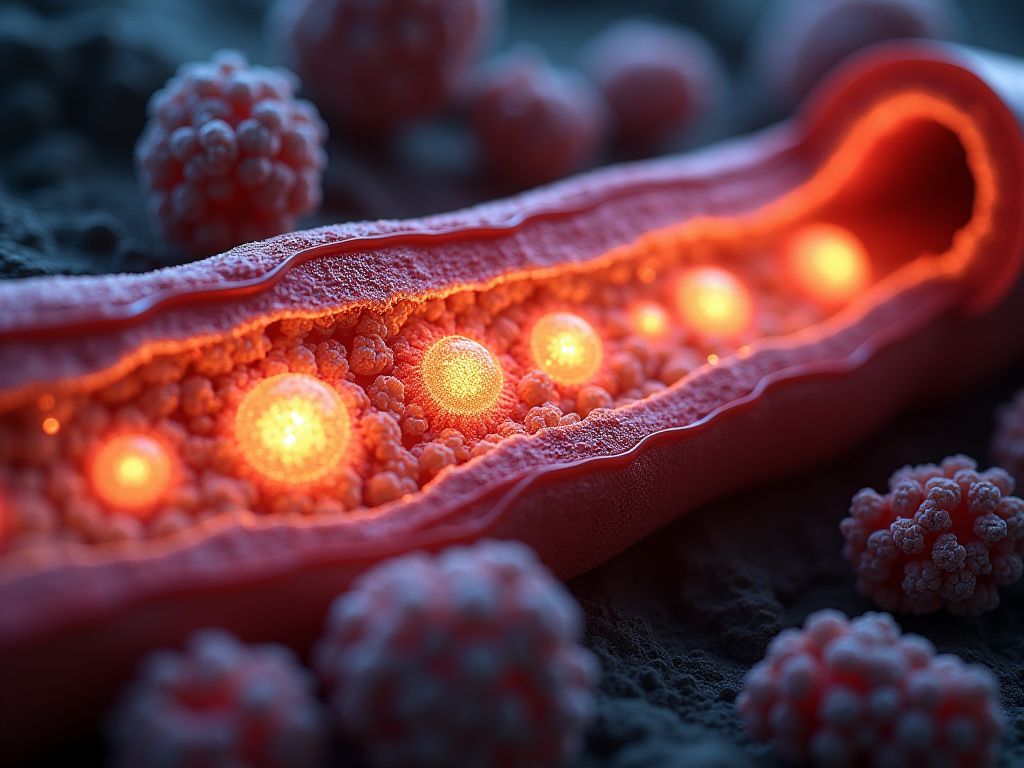
Understanding the Science Behind Arterial Health and the Power of Dietary Adjustments
Arteries are the highways of the circulatory system, carrying oxygen-rich blood to every corner of the body. When they function optimally, they ensure efficient nutrient delivery, waste removal, and overall vascular health. However, poor dietary choices can lead to arterial stiffness, plaque buildup, and a host of cardiovascular diseases. The good news? Science has uncovered powerful ways to protect and improve arterial health through targeted dietary adjustments. This article explores the science behind arterial function and how nutrition can be a cornerstone of prevention and recovery.
1. The Role of Arteries in Cardiovascular Health
Arteries are elastic tubes lined with endothelial cells that regulate blood flow and pressure. Their health depends on factors like endothelial function, arterial stiffness, and the presence of atherosclerotic plaques. Endothelial dysfunction—caused by oxidative stress, inflammation, or high cholesterol—can lead to narrowed arteries, reduced blood flow, and increased risk of heart attacks and strokes.
Partner Content


2. The Impact of Diet on Arterial Function
Diet directly influences arterial health through its effects on inflammation, cholesterol levels, and endothelial function. For example, diets high in saturated fats and refined sugars promote oxidative stress and inflammation, while plant-based diets rich in fiber and antioxidants support vascular flexibility and repair.
3. Antioxidants: Neutralizing Free Radicals
Free radicals damage endothelial cells, contributing to arterial stiffness and atherosclerosis. Antioxidants like vitamin C, vitamin E, and polyphenols (found in berries, dark chocolate, and leafy greens) neutralize these harmful molecules. Studies show that regular intake of antioxidant-rich foods improves endothelial function and reduces arterial inflammation.
4. Omega-3 Fatty Acids: Reducing Inflammation
Omega-3 fatty acids (found in fatty fish, flaxseeds, and walnuts) reduce systemic inflammation and lower triglyceride levels. They also enhance nitric oxide production, which relaxes blood vessels and improves arterial elasticity. Research links high omega-3 intake to a 30% lower risk of cardiovascular disease.
5. Fiber: Lowering LDL Cholesterol
Soluble fiber (found in oats, legumes, and fruits) binds to bile acids in the gut, reducing LDL cholesterol levels. Lower LDL levels prevent plaque buildup in arteries. A 2021 study found that diets high in fiber can reduce arterial plaque progression by up to 25% over five years.
6. The Role of Inflammation in Arterial Damage
Chronic inflammation is a key driver of atherosclerosis. Foods high in advanced glycation end products (AGEs)—like fried and processed foods—exacerbate inflammation, while anti-inflammatory foods (e.g., turmeric, ginger, and fatty fish) mitigate it. Reducing inflammation through diet is a critical step in preserving arterial health.
7. Cholesterol Management Through Diet
Low-density lipoprotein (LDL) cholesterol contributes to plaque formation, while high-density lipoprotein (HDL) cholesterol helps remove excess cholesterol. Dietary strategies like reducing saturated fats, increasing plant sterols, and incorporating soluble fiber can significantly improve the LDL-to-HDL ratio.
8. Blood Pressure Regulation and Sodium Intake
High sodium intake raises blood pressure, straining arterial walls. The DASH (Dietary Approaches to Stop Hypertension) diet, rich in potassium, magnesium, and calcium, has been shown to lower blood pressure by 11 mmHg in hypertensive individuals. Reducing sodium and increasing potassium-rich foods (like bananas and spinach) is essential for arterial protection.
9. The Benefits of Plant-Based Diets
Plant-based diets are associated with lower rates of arterial stiffness and atherosclerosis. They are naturally low in saturated fats and high in fiber, antioxidants, and phytochemicals. A 2020 meta-analysis found that vegetarians had a 24% lower risk of coronary artery disease compared to omnivores.
10. Fermented Foods and Gut-Heart Axis
The gut microbiome influences arterial health through the production of short-chain fatty acids (SCFAs) and modulation of inflammation. Fermented foods like yogurt, kimchi, and kefir promote a healthy gut microbiome, which in turn supports vascular function and reduces arterial inflammation.
FAQ: Common Questions About Arterial Health and Diet
Q: How long does it take for dietary changes to improve arterial health?
A: Improvements in endothelial function and blood lipid levels can occur within weeks of adopting a heart-healthy diet. However, significant reductions in arterial plaque may take months to years, depending on the severity of existing damage.
Q: Can supplements replace dietary adjustments for arterial health?
A: While supplements like omega-3s or fiber can support health, they are not a substitute for whole foods. A balanced diet provides a synergistic mix of nutrients that supplements cannot replicate.
Q: Are all fats bad for arteries?
A: No. Healthy fats like monounsaturated fats (olive oil) and polyunsaturated fats (nuts, seeds) improve arterial function. The key is to avoid trans fats and limit saturated fats from animal products.
Q: Can hydration impact arterial health?
A: Yes. Proper hydration supports nitric oxide production, which relaxes blood vessels. Dehydration can lead to increased blood viscosity and strain on arteries.
Conclusion: Empowering Your Arterial Health Through Nutrition
Arterial health is a cornerstone of cardiovascular well-being, and science has clearly demonstrated that diet is a powerful tool for prevention and recovery. By prioritizing antioxidant-rich foods, omega-3s, fiber, and anti-inflammatory nutrients, you can protect your arteries from damage and promote long-term vascular health. Small, consistent dietary changes—like swapping processed snacks for nuts or adding leafy greens to meals—can yield profound benefits over time. Remember, your arteries are not just passive conduits; they are dynamic tissues that respond positively to the care you provide through nutrition. Start today, and invest in a future of robust cardiovascular health.
Scientific References & Medical Evidence
- "Vegetarian or vegan diets and blood lipids: a meta-analysis of randomized trials." (2023) View study on PubMed.gov →
- "Effects of Diet on 10-Year Atherosclerotic Cardiovascular Disease Risk (from the DASH Trial)." (2023) View study on PubMed.gov →
CureCurious verifies facts through peer-reviewed research.
You might also like


Recommended for your journey
We've handpicked this top-rated health tool to help you achieve the results discussed in this article.
Check Price on Amazon*As an Amazon Associate, CureCurious.com earns from qualifying purchases. This helps us keep our research free for everyone.

Written by Dr. Sarah Mitchell
Nutrition Expert & MD
"Dr. Sarah Mitchell is a board-certified nutritionist with over 15 years of experience in clinical dietetics. She specializes in metabolic health and gut microbiome research."