Science Behind Belly Fat Reduction With Exercise Routine
Published on December 14, 2025
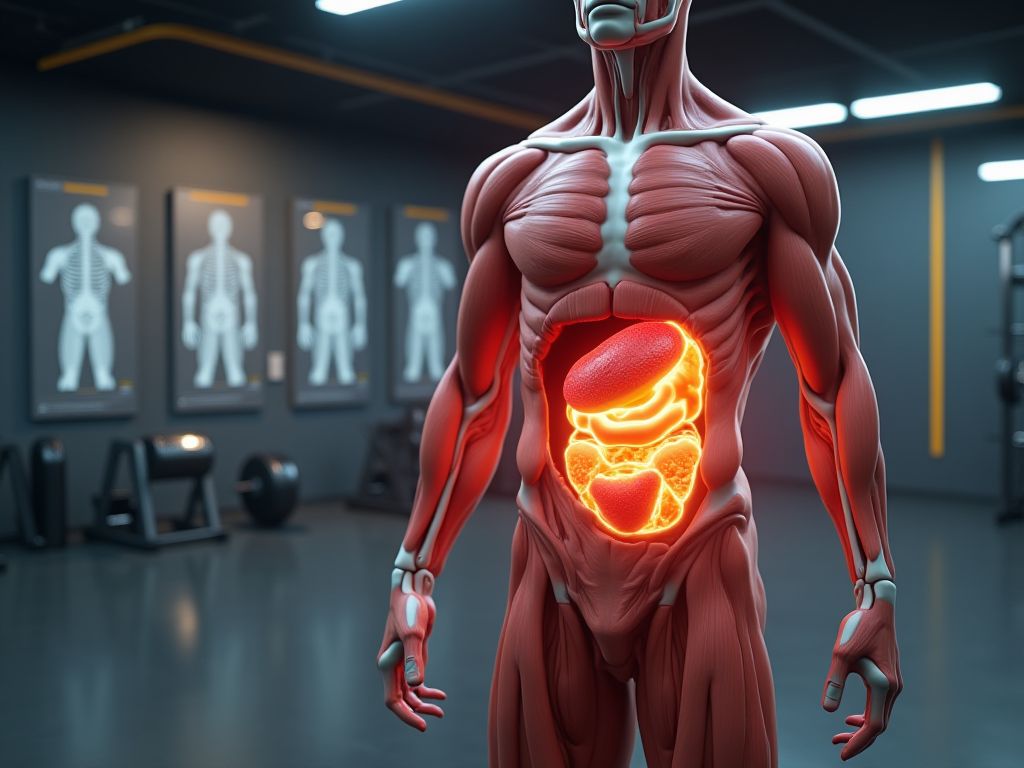
The Science of Belly Fat Reduction: A Comprehensive Guide to Exercise and Health
Belly fat—often a stubborn and frustrating target for many—has long been a focal point in the quest for a healthier physique. However, understanding the science behind fat reduction and how exercise interacts with the body can transform vague goals into actionable strategies. This article explores the biological mechanisms of belly fat, the role of different types of exercise, and how to craft a science-backed routine to achieve lasting results.
1. Understanding the Biology of Belly Fat
Belly fat, or visceral adipose tissue, is stored deep within the abdominal cavity and surrounds internal organs. Unlike subcutaneous fat (found just beneath the skin), visceral fat is metabolically active, releasing inflammatory substances that increase the risk of heart disease, diabetes, and other chronic conditions. Research from the Journal of Clinical Endocrinology & Metabolism highlights that visceral fat is more responsive to hormonal changes, making it a complex but targetable area for reduction.
Partner Content


2. The Role of Hormones in Fat Storage and Loss
Insulin, cortisol, and sex hormones like estrogen and testosterone play critical roles in fat distribution. Insulin resistance, often linked to visceral fat, impairs the body’s ability to process glucose, leading to fat storage. Exercise, particularly aerobic activity, improves insulin sensitivity, enabling the body to use glucose more efficiently and reduce fat accumulation.
3. The Two Types of Belly Fat: Visceral vs. Subcutaneous
While both types of fat contribute to a rounded midsection, visceral fat is more harmful and challenging to lose. Subcutaneous fat, though less dangerous, can be reduced through a combination of diet and exercise. A 2021 study in Cell Metabolism found that high-intensity interval training (HIIT) is particularly effective for reducing visceral fat due to its impact on metabolic rate.
4. How Exercise Burns Fat: The Energy Expenditure Equation
Exercise creates a calorie deficit, which is essential for fat loss. The body burns calories through basal metabolic rate (BMR), digestion, and physical activity. Aerobic exercise directly increases calorie expenditure, while strength training builds muscle, which elevates BMR over time. A 2020 review in Frontiers in Physiology emphasized that combining both types of exercise maximizes fat loss.
5. The Science of Cardio for Belly Fat Reduction
Aerobic exercise, such as running, cycling, or swimming, is a cornerstone of fat loss. It increases the production of lipolytic hormones like adrenaline, which break down stored fat. A study in Medicine & Science in Sports & Exercise showed that 30–60 minutes of moderate-intensity cardio five times a week can reduce visceral fat by up to 10% over 12 weeks.
6. Strength Training: Building Muscle to Burn Fat
Muscle tissue is metabolically active, meaning it burns more calories at rest than fat. Strength training increases lean muscle mass, which boosts BMR and enhances fat oxidation. Research from the European Journal of Applied Physiology found that resistance training combined with a calorie deficit can reduce visceral fat as effectively as cardio alone.
7. HIIT: The High-Intensity Fat-Burning Workouts
High-Intensity Interval Training (HIIT) involves short bursts of maximum effort followed by rest. This type of exercise triggers excess post-exercise oxygen consumption (EPOC), where the body continues to burn calories hours after the workout. A 2019 study in Obesity Reviews noted that HIIT can be particularly effective for reducing abdominal fat in as little as 8 weeks.
8. Core Exercises: Targeting the Muscles, Not the Fat
While spot reduction is a myth, strengthening the core muscles (abdominals, obliques, and lower back) can improve posture and create a more defined midsection. Exercises like planks, Russian twists, and leg raises enhance core stability and may help reduce the appearance of belly fat when combined with overall fat loss.
9. The Importance of Consistency and Progress Tracking
Consistency is key in any exercise routine. Tracking progress through measurements, photos, or body composition analysis provides motivation and insight into what works. A 2022 study in Journal of Obesity found that individuals who tracked their workouts and diet had a 25% higher success rate in reducing abdominal fat compared to those who did not.
10. Integrating Exercise with Diet and Sleep
Exercise alone cannot overcome poor nutrition or lack of sleep. A balanced diet rich in protein, fiber, and healthy fats, along with 7–9 hours of sleep, supports hormone regulation and recovery. Sleep deprivation increases cortisol levels, which can promote visceral fat storage. A 2023 study in Current Obesity Reports linked poor sleep with a 30% higher risk of central obesity.
Frequently Asked Questions
- Can I target belly fat specifically with exercise?
No, spot reduction is not possible. Fat loss occurs systemically, but a combination of cardio, strength training, and diet can reduce overall body fat, including the abdominal area. - How long does it take to see results?
Visible changes may take 6–12 weeks of consistent effort, depending on starting body fat, diet, and exercise intensity. - Is cardio alone enough for belly fat loss?
While effective, combining cardio with strength training and a healthy diet yields better results. - Can I lose belly fat without changing my diet?
Exercise can contribute to fat loss, but without dietary changes, results are limited. A calorie deficit is essential. - What if I have a sedentary lifestyle?
Start with low-impact activities like walking or yoga, then gradually increase intensity as fitness improves.
Conclusion: A Holistic Approach to Belly Fat Reduction
Reducing belly fat is not just about aesthetics—it’s a critical step toward improving metabolic health and longevity. By understanding the science behind fat metabolism, embracing a balanced exercise routine, and making lifestyle adjustments, you can achieve sustainable results. Remember, consistency, patience, and a holistic approach are the keys to success. Whether you’re starting with a walk around the block or diving into a full HIIT program, every step counts toward a healthier you.
Scientific References & Medical Evidence
- "AMERICAN ASSOCIATION OF CLINICAL ENDOCRINOLOGISTS AND AMERICAN COLLEGE OF ENDOCRINOLOGY COMPREHENSIVE CLINICAL PRACTICE GUIDELINES FOR MEDICAL CARE OF PATIENTS WITH OBESITY." (2016) View study on PubMed.gov →
- "Effect of Aerobic or Resistance Exercise, or Both, on Intermuscular and Visceral Fat and Physical and Metabolic Function in Older Adults With Obesity While Dieting." (2022) View study on PubMed.gov →
CureCurious verifies facts through peer-reviewed research.
You might also like
Recommended for your journey
We've handpicked this top-rated health tool to help you achieve the results discussed in this article.
Check Price on Amazon*As an Amazon Associate, CureCurious.com earns from qualifying purchases. This helps us keep our research free for everyone.

Written by Dr. Sarah Mitchell
Nutrition Expert & MD
"Dr. Sarah Mitchell is a board-certified nutritionist with over 15 years of experience in clinical dietetics. She specializes in metabolic health and gut microbiome research."