Science Behind Belly Fat Reduction With Lifestyle Changes
Published on December 14, 2025
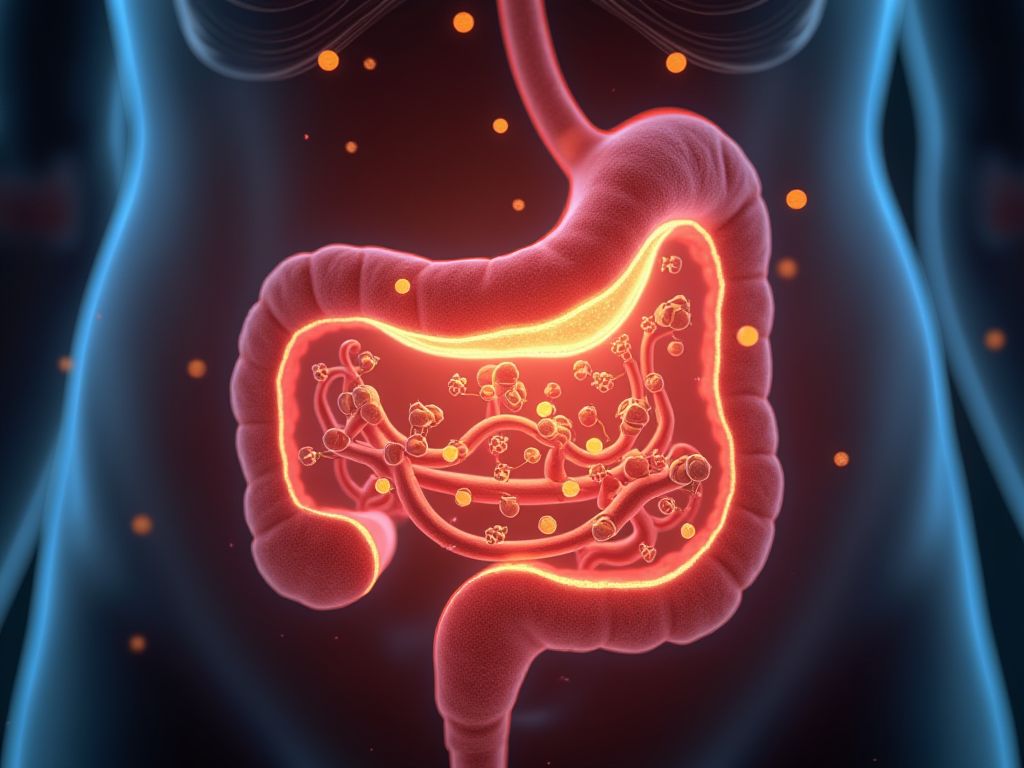
The Science Behind Belly Fat Reduction: A Holistic Approach to Lifestyle Changes
Belly fat, particularly visceral fat surrounding internal organs, is a complex issue with far-reaching implications for health. While it’s tempting to focus solely on quick fixes, science reveals that sustainable belly fat reduction requires a multifaceted approach. This article delves into the biological mechanisms behind belly fat accumulation and explores evidence-based lifestyle strategies to combat it.
1. Understanding Visceral Fat: The Hidden Health Risk
Visceral fat is metabolically active, releasing inflammatory molecules that increase the risk of heart disease, type 2 diabetes, and even certain cancers. Unlike subcutaneous fat, which lies just under the skin, visceral fat is more resistant to traditional weight loss methods. Studies show that visceral fat is closely linked to insulin resistance, a precursor to metabolic syndrome.
Partner Content


2. Diet: The Foundation of Fat Loss
Caloric balance is fundamental, but the quality of food matters. Diets rich in fiber (found in fruits, vegetables, and whole grains) improve gut health and reduce inflammation. Protein intake also plays a role: higher protein diets increase satiety and preserve lean muscle mass during weight loss. Avoiding refined sugars and trans fats is critical, as they promote visceral fat storage.
3. The Role of Macronutrients in Fat Reduction
Low-carb diets, such as the ketogenic diet, may reduce visceral fat by altering hormone levels like insulin. However, balanced macronutrient intake—combining healthy fats (e.g., omega-3s), complex carbs, and lean proteins—is more sustainable. Research from the *Journal of the American Medical Association* highlights that moderate carbohydrate restriction, paired with regular physical activity, yields the best results.
4. Exercise: Beyond Crunches
While targeted exercises like planks strengthen core muscles, they don’t directly burn visceral fat. Aerobic exercise (e.g., running, swimming) is more effective, as it increases calorie expenditure and improves cardiovascular health. Strength training also helps by boosting resting metabolic rate and preserving muscle mass, which supports long-term fat loss.
5. Sleep: The Overlooked Fat-Burning Tool
Chronic sleep deprivation disrupts hormones like leptin (which signals fullness) and ghrelin (which stimulates hunger), leading to overeating. A 2020 study in *Sleep Health* found that adults who sleep less than 6 hours per night are more likely to have higher visceral fat levels. Aim for 7–9 hours of quality sleep to regulate metabolism and appetite.
6. Stress Management: Cortisol and Fat Storage
Chronic stress elevates cortisol levels, which promotes fat accumulation around the abdomen. Mindfulness practices like meditation, yoga, and deep breathing can lower cortisol. A 2018 study in *Psychoneuroendocrinology* showed that stress-reduction techniques significantly decreased visceral fat over 12 weeks.
7. Hydration: The Unsung Hero of Fat Loss
Proper hydration supports metabolic function and reduces water retention. Dehydration can slow down fat burning and increase hunger. Drinking water before meals also helps control portion sizes, as shown in a 2015 study in *Obesity* that found participants who drank water before meals lost 44% more weight over 12 weeks.
8. Alcohol Consumption and Belly Fat
Alcohol is high in empty calories and interferes with fat metabolism. It also increases estrogen levels in men, which can contribute to abdominal fat. Limiting alcohol intake to moderate levels (1 drink per day for women, 2 for men) is associated with lower visceral fat accumulation.
9. Intermittent Fasting: A Metabolic Reset
Intermittent fasting (IF) protocols, such as the 16:8 method, may reduce visceral fat by extending the body’s fasting window, allowing it to tap into stored fat for energy. Research in *Cell Metabolism* suggests that IF improves insulin sensitivity and reduces inflammation, both key factors in fat loss.
10. Consistency and Patience: The Long Game
Belly fat reduction is a gradual process. Rapid weight loss often leads to muscle loss and metabolic slowdown. Consistent lifestyle changes—combining diet, exercise, and stress management—yield the most sustainable results. Patience is key, as visceral fat may take months to significantly decrease.
Frequently Asked Questions (FAQ)
Q: Can I spot-reduce belly fat?
A: No. Spot reduction is a myth. Fat loss occurs systemically, and visceral fat is reduced through overall calorie deficit and lifestyle changes.
Q: How long does it take to see results?
A: Results vary, but noticeable reductions in visceral fat typically take 8–12 weeks with consistent effort. Genetics and starting body composition also play roles.
Q: Does genetics determine belly fat?
A: Genetics influence fat distribution, but lifestyle changes can override genetic predispositions. Even with a genetic tendency for visceral fat, healthy habits significantly reduce risk.
Q: Is cardio or strength training better for belly fat?
A: Both are important. Cardio burns calories, while strength training preserves muscle mass and boosts metabolism. A combination is ideal.
Q: Can supplements help?
A: While some supplements (e.g., green tea extract, omega-3s) may support fat loss, they are not substitutes for a healthy lifestyle. Always consult a healthcare provider before using supplements.
Conclusion: A Holistic Path to Health
Reducing belly fat is not a one-size-fits-all endeavor. It requires a deep understanding of the science behind fat metabolism, coupled with sustainable lifestyle changes. By prioritizing nutrition, movement, sleep, and stress management, individuals can create a foundation for long-term health. Remember, the journey to a healthier you is not about perfection—it’s about progress. Start small, stay consistent, and celebrate every step forward.
Scientific References & Medical Evidence
- "Metabolic syndrome." (2024) View study on PubMed.gov →
- "Pathophysiology of human visceral obesity: an update." (2013) View study on PubMed.gov →
CureCurious verifies facts through peer-reviewed research.
You might also like
Recommended for your journey
We've handpicked this top-rated health tool to help you achieve the results discussed in this article.
Check Price on Amazon*As an Amazon Associate, CureCurious.com earns from qualifying purchases. This helps us keep our research free for everyone.

Written by Dr. Sarah Mitchell
Nutrition Expert & MD
"Dr. Sarah Mitchell is a board-certified nutritionist with over 15 years of experience in clinical dietetics. She specializes in metabolic health and gut microbiome research."