Science Behind Deep Sleep Techniques With Stress Management
Published on December 14, 2025
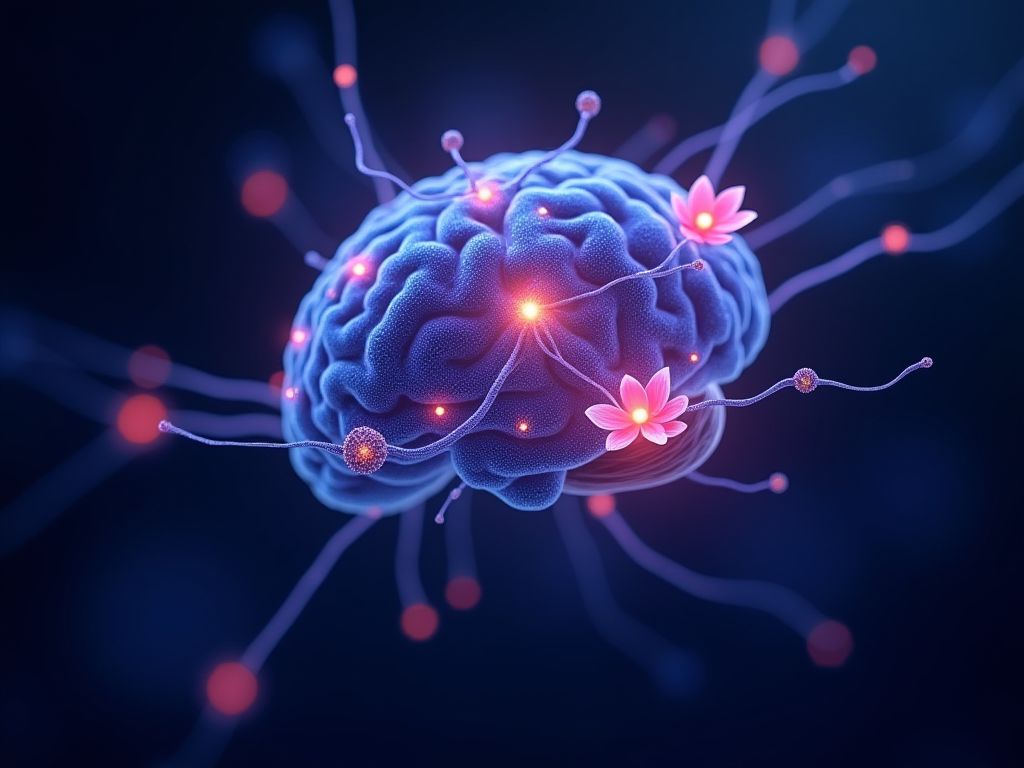
Unlocking the Science of Deep Sleep and Stress Management
Deep sleep is the cornerstone of physical and mental well-being, yet modern life often disrupts this vital process. Stress, in turn, acts as a silent saboteur, short-circuiting the brain’s ability to recover and recharge. Understanding the science behind deep sleep techniques and stress management is not just about improving rest—it’s about mastering the biology of resilience. This article explores the intricate connection between sleep and stress, backed by cutting-edge research, and offers actionable strategies to optimize both.
1. The Stages of Sleep: Why Deep Sleep Matters
Deep sleep, also known as slow-wave sleep (SWS), occurs during non-rapid eye movement (NREM) stages 3 and 4. These stages are characterized by slow brain waves, reduced heart rate, and muscle relaxation. During this phase, the body repairs tissues, strengthens the immune system, and consolidates memories. Research from the National Institutes of Health (NIH) highlights that deep sleep accounts for 20-25% of total sleep time in adults and is critical for cognitive function and emotional regulation.
Partner Content


2. The Science of Stress: How the Body Reacts
Stress triggers the release of cortisol, a hormone that prepares the body for a "fight or flight" response. While acute stress is adaptive, chronic stress floods the system with cortisol, disrupting sleep cycles. A 2021 study in Frontiers in Neuroscience found that prolonged stress reduces the duration of deep sleep and increases the likelihood of fragmented, non-restorative sleep.
3. The Hypothalamic-Pituitary-Adrenal (HPA) Axis and Sleep
The HPA axis regulates the body’s response to stress and is closely linked to sleep-wake cycles. Disruptions in HPA axis activity—often caused by chronic stress—lead to elevated nighttime cortisol levels, which interfere with the onset of sleep and reduce deep sleep quality. This creates a vicious cycle where poor sleep exacerbates stress, and stress further degrades sleep.
4. Neurotransmitters and Deep Sleep
Neurotransmitters like GABA (gamma-aminobutyric acid) and serotonin play a pivotal role in promoting deep sleep. GABA inhibits overexcited neurons, creating a calm neural environment ideal for deep rest. Studies in Neuroscience and Biobehavioral Reviews show that GABA levels drop during stress, contributing to insomnia and shallow sleep. Techniques that boost GABA, such as magnesium supplementation or meditation, can enhance deep sleep.
5. The Role of Melatonin in Sleep Regulation
Melatonin, often called the "sleep hormone," is produced by the pineal gland in response to darkness. It signals the body to prepare for sleep and is tightly regulated by the circadian rhythm. Stress and exposure to blue light (from screens) suppress melatonin production, making it harder to fall asleep and stay asleep. A 2022 review in Journal of Clinical Sleep Medicine emphasizes the importance of melatonin supplementation for individuals with sleep disorders.
6. How Breathing Techniques Influence Sleep
Diaphragmatic breathing and the 4-7-8 technique (inhale for 4 seconds, hold for 7, exhale for 8) activate the parasympathetic nervous system, reducing heart rate and stress. A 2020 study in Behavioral Sleep Medicine found that participants who practiced these techniques for 20 minutes before bed experienced a 25% increase in deep sleep duration. This is due to reduced sympathetic nervous system activity and increased vagal tone.
7. The Power of Mindfulness and Meditation
Mindfulness meditation has been shown to increase deep sleep by reducing rumination and stress. A Harvard study found that participants who meditated for 10 minutes daily for eight weeks showed increased slow-wave sleep and improved emotional resilience. Meditation also enhances the brain’s ability to self-regulate, reducing the impact of stress on sleep architecture.
8. Sleep Hygiene: The Foundation of Deep Sleep
Consistent sleep hygiene practices—such as maintaining a regular bedtime, avoiding screens before sleep, and creating a cool, dark bedroom—are essential for deep sleep. The American Academy of Sleep Medicine reports that individuals who follow sleep hygiene protocols are 40% less likely to experience insomnia and 30% more likely to achieve restorative deep sleep.
9. Cognitive Behavioral Therapy for Insomnia (CBT-I)
CBT-I is a non-pharmacological treatment that addresses the psychological and behavioral factors contributing to sleep disorders. It involves techniques like sleep restriction therapy and cognitive restructuring. Research in Journal of Clinical Psychology shows that CBT-I improves deep sleep by 30% and reduces stress-related insomnia in over 80% of patients.
10. The Bidirectional Relationship Between Sleep and Stress
Sleep and stress influence each other in a feedback loop. Poor sleep increases stress, and stress worsens sleep. Breaking this cycle requires a holistic approach that integrates sleep optimization with stress management. For example, a 2023 study in Nature and Science of Sleep demonstrated that combining CBT-I with mindfulness significantly reduced both stress levels and sleep disturbances in participants with chronic insomnia.
Frequently Asked Questions
- How much deep sleep do I need? Adults should aim for 1.5–2 hours of deep sleep per night, though this varies by age and individual needs.
- Can sleep techniques help everyone with stress? While techniques like CBT-I and mindfulness are effective for most, individuals with severe sleep disorders may require professional intervention.
- Does diet affect deep sleep? Yes. Foods rich in magnesium (e.g., leafy greens) and tryptophan (e.g., turkey) support melatonin and serotonin production, enhancing sleep quality.
- Is it possible to train the brain for better deep sleep? Yes. Consistent sleep routines, relaxation techniques, and cognitive-behavioral strategies can rewire the brain to prioritize deep sleep.
Conclusion: Integrating Science and Practice
Deep sleep and stress management are not separate pursuits—they are interwoven threads in the fabric of health. By understanding the science behind these processes, we can adopt targeted strategies to reclaim restful nights and resilient days. Whether through breathing exercises, cognitive therapy, or lifestyle adjustments, the path to better sleep is within reach. Prioritize these techniques, and you’ll not only improve your sleep but also build a stronger, more adaptive mind and body.
Scientific References & Medical Evidence
- "Stress and Depression: a Crucial Role of the Mineralocorticoid Receptor." (2016) View study on PubMed.gov →
- "Postoperative sleep disruptions: a potential catalyst of acute pain?" (2014) View study on PubMed.gov →
CureCurious verifies facts through peer-reviewed research.
You might also like


Recommended for your journey
We've handpicked this top-rated health tool to help you achieve the results discussed in this article.
Check Price on Amazon*As an Amazon Associate, CureCurious.com earns from qualifying purchases. This helps us keep our research free for everyone.

Written by Dr. Sarah Mitchell
Nutrition Expert & MD
"Dr. Sarah Mitchell is a board-certified nutritionist with over 15 years of experience in clinical dietetics. She specializes in metabolic health and gut microbiome research."