Science Behind Dementia Prevention With Natural Remedies
Published on December 14, 2025
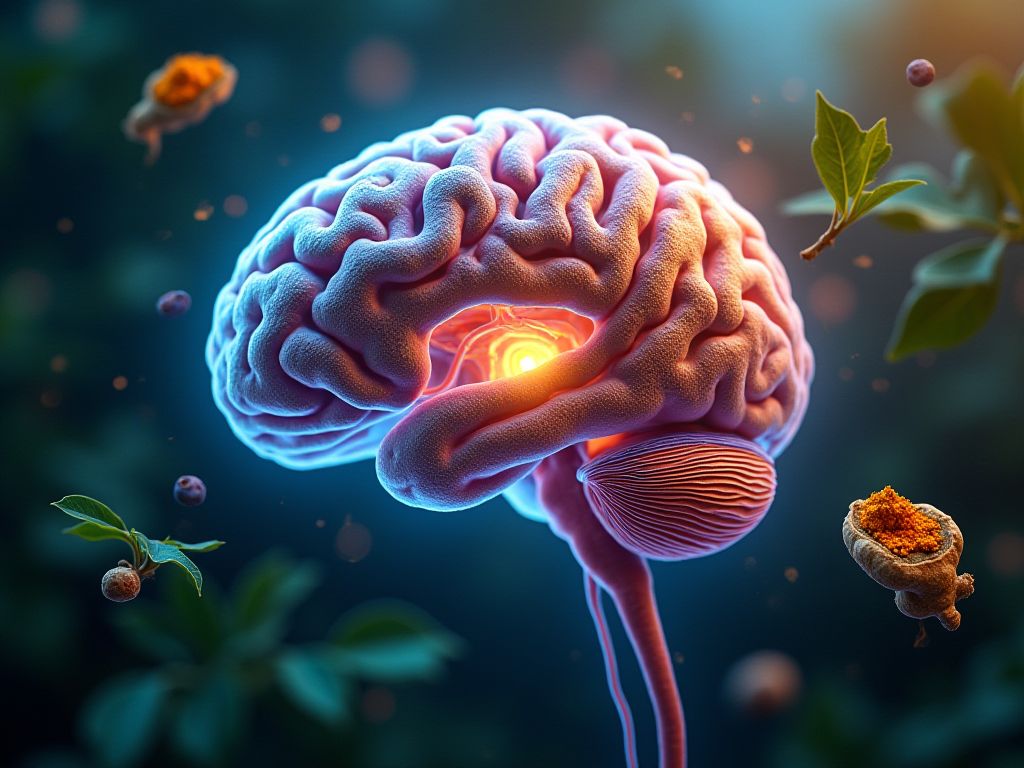
Understanding Dementia Prevention: The Science Behind Natural Remedies
Dementia, a progressive decline in cognitive function, affects millions globally and remains one of the most pressing health challenges of the 21st century. While no cure exists, emerging research highlights the role of natural remedies in reducing risk factors and delaying onset. This article explores the science behind these strategies, focusing on evidence-based approaches to brain health.
1. The Mediterranean Diet: Nutritional Powerhouse for the Brain
Studies consistently link the Mediterranean diet—rich in fruits, vegetables, whole grains, nuts, and olive oil—to reduced dementia risk. This diet’s high antioxidant content and anti-inflammatory properties protect neurons from oxidative stress, a key driver of neurodegenerative diseases. Research in Neurology found that adherence to this diet can lower Alzheimer’s risk by up to 33%.
Partner Content


2. Physical Exercise: Boosting Brain Plasticity
Aerobic exercise increases brain-derived neurotrophic factor (BDNF), a protein that promotes neuron growth and synaptic plasticity. A 2022 study in Alzheimer’s & Dementia showed that regular physical activity reduces hippocampal atrophy, a hallmark of early dementia. Even moderate activity, like walking 30 minutes daily, can enhance cerebral blood flow and cognitive reserve.
3. Omega-3 Fatty Acids: Guardians of Neuronal Health
Omega-3s, particularly DHA, are critical for maintaining neuronal membrane integrity and reducing neuroinflammation. A meta-analysis in JAMA Neurology found that higher omega-3 intake correlates with a 25% lower risk of Alzheimer’s. Sources like fatty fish, flaxseeds, and walnuts are recommended for brain protection.
4. Antioxidants: Neutralizing Free Radicals
Free radicals contribute to oxidative stress, which damages brain cells. Antioxidants like vitamin C, vitamin E, and polyphenols (found in berries, dark chocolate, and green tea) combat this damage. A 2021 study in Free Radical Biology and Medicine showed that antioxidant-rich diets may slow cognitive decline by up to 40%.
5. Curcumin: The Golden Spice with Anti-Inflammatory Potential
Curcumin, a compound in turmeric, exhibits potent anti-inflammatory and antioxidant effects. Animal studies suggest it may reduce amyloid-beta plaques, a key feature of Alzheimer’s. While human trials are limited, preliminary evidence supports its inclusion in a holistic prevention strategy.
6. Ginkgo Biloba: Enhancing Cerebral Circulation
This ancient herb improves blood flow to the brain and may enhance neurotransmitter function. A 2020 review in Phytotherapy Research noted its potential to delay cognitive decline, though results remain mixed. It is often used in combination with other supplements for synergistic effects.
7. Vitamin D: Linking Sunlight to Brain Health
Vitamin D receptors are present in brain regions involved in memory and learning. Deficiency is associated with increased dementia risk, as shown in a 2023 study in Journal of Alzheimer’s Disease. Supplementation may mitigate this risk, though optimal levels require medical guidance.
8. Sleep Hygiene: The Brain’s Nightly Clean-Up
Deep sleep activates the glymphatic system, which clears neurotoxins like beta-amyloid. Poor sleep is linked to higher amyloid accumulation, as demonstrated by MRI studies. Prioritizing 7-8 hours of quality sleep is a non-negotiable strategy for brain health.
9. Social Engagement: Building Cognitive Resilience
Social interaction stimulates neural pathways and reduces stress hormones like cortisol. A longitudinal study in Psychological Science found that socially active older adults had a 50% lower dementia risk. Engagement in hobbies, volunteering, or group activities fosters mental agility.
10. Stress Management: Mitigating the Brain’s Silent Enemy
Chronic stress elevates cortisol, which can shrink the hippocampus. Mindfulness, meditation, and yoga reduce cortisol levels and enhance prefrontal cortex function. A 2023 study in Frontiers in Aging Neuroscience found that regular meditation improves memory and attention in older adults.
Frequently Asked Questions
- Are natural remedies a substitute for medical treatment? No. They complement, not replace, professional care. Always consult a healthcare provider.
- How long does it take for natural remedies to show effects? Consistency is key. Benefits may take months to manifest, with lifestyle changes offering long-term protection.
- Are these remedies safe for everyone? Most are safe, but individual responses vary. For example, curcumin may interact with blood thinners, and omega-3s require caution in certain health conditions.
- Can a combination of remedies be more effective? Yes. A holistic approach—diet, exercise, and mental engagement—yields the best results, as shown in clinical trials.
- Which remedy is most effective for dementia prevention? No single remedy is a “silver bullet.” The Mediterranean diet, combined with exercise and social engagement, offers the most robust protection.
Conclusion: A Holistic Approach to Brain Health
Preventing dementia requires a multifaceted strategy rooted in science. Natural remedies—when supported by rigorous research and integrated into daily life—can significantly reduce risk. By prioritizing nutrition, physical activity, mental engagement, and stress reduction, individuals can build cognitive resilience and safeguard their brains for years to come. As always, consult healthcare professionals to tailor these strategies to your unique needs.
Scientific References & Medical Evidence
- "Comprehensive Review on Alzheimer's Disease: Causes and Treatment." (2020) View study on PubMed.gov →
- "Polyphenols and Their Impact on the Prevention of Neurodegenerative Diseases and Development." (2023) View study on PubMed.gov →
CureCurious verifies facts through peer-reviewed research.
You might also like
Recommended for your journey
We've handpicked this top-rated health tool to help you achieve the results discussed in this article.
Check Price on Amazon*As an Amazon Associate, CureCurious.com earns from qualifying purchases. This helps us keep our research free for everyone.

Written by Dr. Sarah Mitchell
Nutrition Expert & MD
"Dr. Sarah Mitchell is a board-certified nutritionist with over 15 years of experience in clinical dietetics. She specializes in metabolic health and gut microbiome research."