Science Behind Nervous System Regulation For Over 30
Published on December 14, 2025
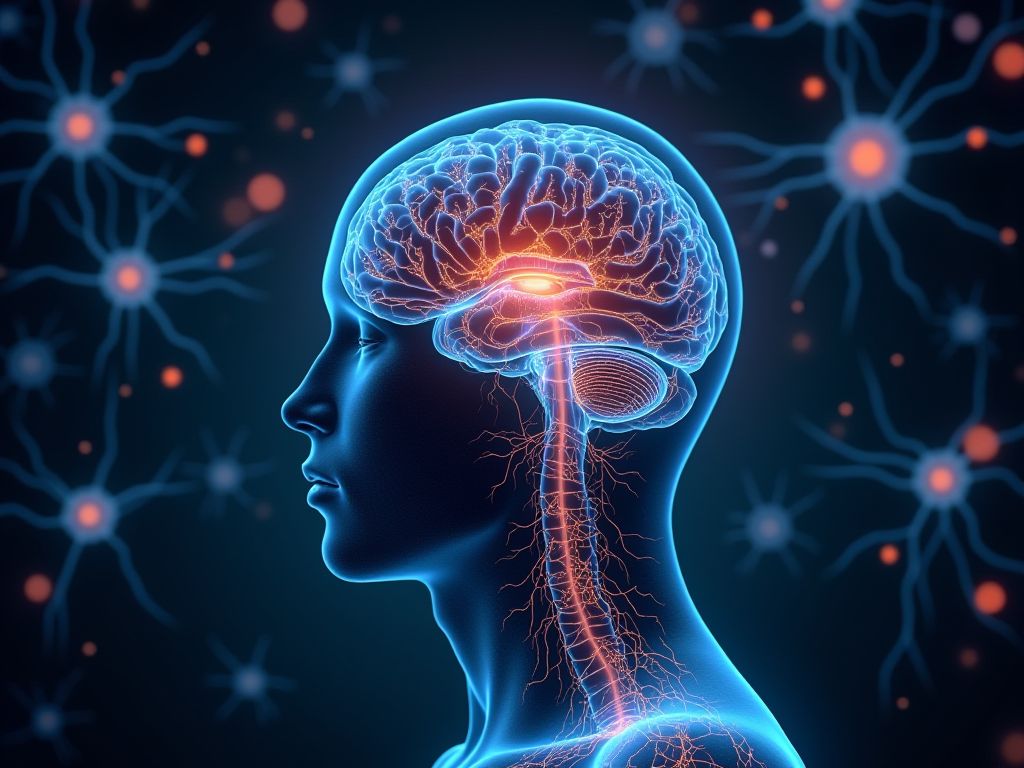
The Science Behind Nervous System Regulation for Adults Over 30: A Comprehensive Guide
As we age, the nervous system undergoes complex changes that can impact our physical, emotional, and cognitive health. For individuals over 30, understanding the science of nervous system regulation is crucial for maintaining resilience against stress, optimizing mental clarity, and preventing age-related decline. This article explores the biological mechanisms, lifestyle factors, and strategies that support nervous system balance in midlife and beyond.
1. The Aging Nervous System: Key Changes
With age, the nervous system experiences structural and functional shifts. Neurons may lose efficiency, myelin sheaths (which insulate nerve fibers) degrade, and the production of neurotransmitters like serotonin and dopamine declines. These changes can contribute to slower reflexes, reduced cognitive flexibility, and heightened sensitivity to stress. However, the brain’s capacity for neuroplasticity—its ability to rewire itself—remains a powerful tool for adaptation.
Partner Content


2. The Autonomic Nervous System: Balancing the Sympathetic and Parasympathetic Responses
The autonomic nervous system (ANS) governs involuntary functions like heart rate, digestion, and breathing. It consists of two branches: the sympathetic nervous system (SNS), which triggers the "fight-or-flight" response, and the parasympathetic nervous system (PNS), responsible for "rest-and-digest" activities. As we age, the PNS often weakens, making it harder to recover from stress. Practices like deep breathing and yoga can enhance PNS activity, promoting calmness and resilience.
3. Neurotransmitter Dynamics: The Role of Serotonin, Dopamine, and GABA
Neurotransmitters are chemical messengers that regulate mood, focus, and relaxation. Serotonin, linked to mood stability, and GABA, which reduces anxiety, may decrease with age. Dopamine, essential for motivation and reward processing, also declines, potentially contributing to reduced drive or interest in activities. Nutritional support (e.g., omega-3s, vitamin D) and targeted supplementation can help maintain neurotransmitter balance.
4. Chronic Stress and the HPA Axis: A Silent Aging Accelerator
The hypothalamic-pituitary-adrenal (HPA) axis regulates the body’s stress response by releasing cortisol. Chronic stress can dysregulate the HPA axis, leading to prolonged cortisol elevation, which impairs memory, weakens the immune system, and accelerates aging. Managing stress through mindfulness, sleep, and social connections is vital for HPA axis health.
5. Sleep and the Nervous System: Why Quality Matters
As we age, sleep patterns shift: sleep becomes lighter, and the ability to enter deep, restorative stages declines. Poor sleep disrupts the brain’s glymphatic system, which clears waste products like beta-amyloid (linked to Alzheimer’s). Prioritizing sleep hygiene—consistent schedules, limiting screens before bed, and creating a dark, cool environment—can enhance nervous system recovery.
6. Physical Activity: A Neuroprotective Strategy
Exercise is one of the most effective ways to support nervous system health. Aerobic activity increases brain-derived neurotrophic factor (BDNF), a protein that promotes neuroplasticity and protects against neurodegeneration. Strength training also enhances motor neuron function, while yoga and tai chi improve balance and reduce fall risk by enhancing proprioception.
7. Nutrition: Fueling the Nervous System
Diet plays a pivotal role in nervous system regulation. Antioxidant-rich foods (berries, leafy greens) combat oxidative stress, while omega-3 fatty acids (found in fish and flaxseeds) support myelin integrity. B vitamins (B12, folate) are critical for nerve function, and magnesium aids in calming overactive neurons. Hydration and limiting processed foods also prevent inflammation that can impair nerve signaling.
8. The Gut-Brain Axis: How Digestive Health Impacts the Nervous System
The gut and brain communicate via the vagus nerve and the microbiome. An imbalanced gut microbiome (dysbiosis) can increase inflammation and influence mental health, contributing to anxiety and depression. Probiotics, prebiotics, and a fiber-rich diet promote a healthy gut microbiome, which in turn supports nervous system regulation and emotional resilience.
9. Mindfulness and Meditation: Rewiring the Brain
Mindfulness practices have been shown to increase gray matter density in brain regions involved in attention, emotion regulation, and memory. Meditation reduces amygdala activity (the brain’s threat-detection center) and enhances prefrontal cortex function, improving self-regulation and reducing stress. Even short daily sessions can yield measurable benefits for nervous system balance.
10. Technology and Biofeedback: Modern Tools for Regulation
Wearable devices and biofeedback tools (e.g., heart rate variability monitors) provide real-time data on physiological stress markers, enabling users to practice self-regulation techniques. Apps that guide breathing, track sleep, or offer cognitive training can complement traditional strategies, making nervous system regulation more accessible and personalized.
Frequently Asked Questions
- Q: Can the nervous system recover from age-related decline?
A: Yes, through neuroplasticity. Engaging in novel activities, learning new skills, and adopting healthy habits can stimulate brain rewiring and enhance nervous system function.
- Q: What role does social connection play in nervous system health?
A: Social support reduces stress hormones and enhances the release of oxytocin, which promotes calmness and resilience. Isolation, conversely, can increase inflammation and impair cognitive function.
- Q: Are supplements effective for nervous system regulation?
A: Certain supplements (e.g., magnesium, ashwagandha, omega-3s) may support nervous system health, but they should complement—not replace—lifestyle strategies. Consult a healthcare provider before starting any regimen.
Conclusion: Taking Charge of Your Nervous System Health
For adults over 30, understanding the science of nervous system regulation empowers proactive health management. By combining evidence-based strategies—such as regular exercise, mindful practices, nutritional support, and stress management—you can enhance resilience, cognitive function, and emotional well-being. The nervous system is not a static entity; with the right tools and habits, it can adapt and thrive at any age.
Scientific References & Medical Evidence
- "Physical exercise, cognition, and brain health in aging." (2024) View study on PubMed.gov →
- "Hallmarks of Brain Aging: Adaptive and Pathological Modification by Metabolic States." (2018) View study on PubMed.gov →
CureCurious verifies facts through peer-reviewed research.
You might also like


Recommended for your journey
We've handpicked this top-rated health tool to help you achieve the results discussed in this article.
Check Price on Amazon*As an Amazon Associate, CureCurious.com earns from qualifying purchases. This helps us keep our research free for everyone.

Written by Dr. Sarah Mitchell
Nutrition Expert & MD
"Dr. Sarah Mitchell is a board-certified nutritionist with over 15 years of experience in clinical dietetics. She specializes in metabolic health and gut microbiome research."