Science Behind Telomere Protection
Published on December 12, 2025
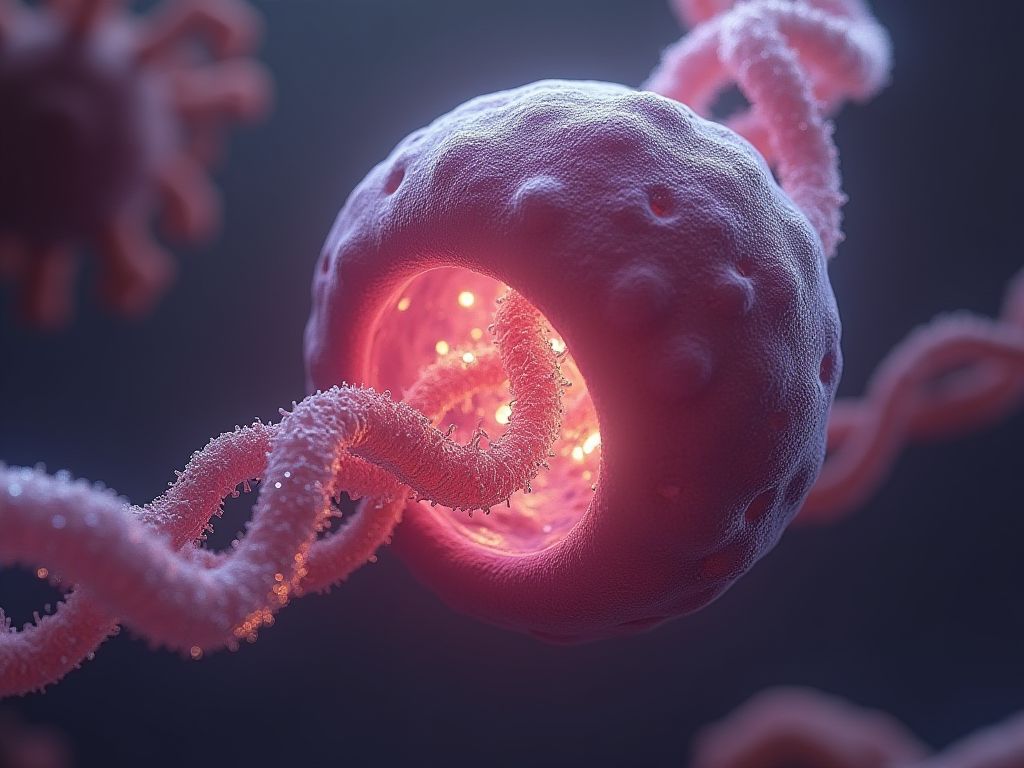
The Science Behind Telomere Protection: A Comprehensive Guide
Telomeres, the protective caps at the ends of chromosomes, play a critical role in aging and cellular health. Understanding how to protect and maintain these structures is key to promoting longevity and preventing age-related diseases. This article delves into the science of telomere biology, exploring the mechanisms that influence their length and integrity, and how lifestyle, nutrition, and medical interventions can support their preservation.
1. What Are Telomeres and Why Do They Matter?
Telomeres are repetitive DNA sequences (TTAGGG in humans) that act as buffers, preventing chromosomes from fraying during cell division. With each cell division, telomeres shorten, eventually leading to cellular senescence or apoptosis. This process is directly linked to aging and the development of diseases such as cancer, cardiovascular disorders, and neurodegenerative conditions.
Partner Content


2. The Role of Telomerase in Telomere Maintenance
Telomerase is an enzyme that adds telomeric repeats to the ends of chromosomes, counteracting the shortening caused by DNA replication. While active in germ cells, stem cells, and certain immune cells, telomerase is largely inactive in most somatic cells. This imbalance contributes to the gradual loss of telomere length over time.
3. Oxidative Stress and Telomere Shortening
Reactive oxygen species (ROS), byproducts of cellular metabolism, can damage telomeric DNA and accelerate shortening. Studies show that antioxidants like vitamin C, vitamin E, and glutathione may help mitigate this damage by neutralizing free radicals and preserving telomere integrity.
4. Inflammation’s Impact on Telomeres
Chronic inflammation, often linked to conditions like obesity, diabetes, and autoimmune diseases, increases telomere attrition. Inflammatory cytokines such as interleukin-6 (IL-6) and tumor necrosis factor-alpha (TNF-α) have been shown to impair telomerase activity and promote cellular aging.
5. Lifestyle Factors That Influence Telomere Length
Lifestyle choices significantly affect telomere health. Key factors include:
- Diet: Nutrient-dense diets rich in antioxidants, omega-3 fatty acids, and polyphenols support telomere preservation.
- Exercise: Regular physical activity, especially aerobic and strength training, has been associated with longer telomeres.
- Smoking: Tobacco use accelerates telomere shortening due to increased oxidative stress and inflammation.
These habits highlight the powerful connection between daily choices and cellular health.
6. The Link Between Sleep and Telomere Health
Poor sleep quality and chronic sleep deprivation are linked to accelerated telomere shortening. Research suggests that insufficient sleep increases cortisol levels, which can impair telomerase activity and exacerbate inflammation, further stressing telomeres.
7. Psychological Stress and Telomere Damage
Chronic psychological stress, such as that experienced in caregiving or high-stress occupations, is associated with shorter telomeres. Stress-induced cortisol surges and elevated inflammation contribute to this effect, emphasizing the need for stress management strategies like mindfulness and meditation.
8. Nutraceuticals and Telomere Protection
Certain supplements show promise in supporting telomere health:
- Resveratrol: Found in grapes and red wine, this polyphenol may activate sirtuins, which are linked to telomerase regulation.
- Vitamin D: Studies suggest vitamin D deficiency is associated with shorter telomeres, and supplementation may help reverse this trend.
- N-Acetylcysteine (NAC): An antioxidant that reduces oxidative stress and supports telomere maintenance.
While promising, these supplements should be used under medical guidance to avoid potential interactions.
9. Medical Interventions for Telomere Protection
Emerging therapies, such as telomerase activation through gene therapy or small molecule drugs, are being explored to combat age-related telomere shortening. However, these approaches remain experimental and require further research to ensure safety and efficacy.
10. The Future of Telomere Research
Advances in epigenetics and stem cell biology are shedding new light on telomere regulation. Researchers are investigating how epigenetic modifications and circadian rhythms influence telomere dynamics, opening doors for personalized approaches to telomere protection and longevity.
Frequently Asked Questions
Q1: Can telomere length be increased naturally?
A: While telomeres cannot be significantly lengthened through natural means, their shortening can be slowed through lifestyle changes, including diet, exercise, and stress reduction.
Q2: Are telomere supplements effective?
A: Some supplements, like resveratrol and NAC, show potential in preliminary studies, but their long-term effectiveness and safety are still under investigation. Always consult a healthcare provider before starting supplements.
Q3: How does aging affect telomeres?
A: Aging causes progressive telomere shortening, which contributes to cellular senescence and age-related diseases. However, individual variability in telomere length is influenced by genetics, environment, and lifestyle.
Q4: Is telomere testing useful for health assessment?
A: Telomere testing is not yet a standard diagnostic tool, but it is being explored as a biomarker for biological age and disease risk. Interpretation of results requires expert guidance due to the complexity of telomere dynamics.
Conclusion
Telomere protection is a multifaceted process influenced by genetics, environment, and lifestyle. By adopting healthy habits, managing stress, and leveraging emerging scientific advancements, individuals can take proactive steps to preserve telomere integrity and promote long-term health. As research continues to evolve, the future holds exciting possibilities for enhancing human longevity and quality of life through telomere-focused interventions.
Scientific References & Medical Evidence
- "Telomere and telomerase biology." (2014) View study on PubMed.gov →
- "Genetics of human telomere biology disorders." (2023) View study on PubMed.gov →
CureCurious verifies facts through peer-reviewed research.
You might also like


Recommended for your journey
We've handpicked this top-rated health tool to help you achieve the results discussed in this article.
Check Price on Amazon*As an Amazon Associate, CureCurious.com earns from qualifying purchases. This helps us keep our research free for everyone.

Written by Dr. Sarah Mitchell
Nutrition Expert & MD
"Dr. Sarah Mitchell is a board-certified nutritionist with over 15 years of experience in clinical dietetics. She specializes in metabolic health and gut microbiome research."