Can You Reverse Inflammaging After 30
Published on May 6, 2026
Imagine waking up at 35, feeling like your body is holding a grudge
Your joints ache, your skin sags, and your energy feels like it’s been siphoned out by an invisible force. You’re not alone. Scientists call this “inflammaging”—a slow-burn inflammation that creeps in after 30, quietly eroding your health. But here’s the catch: the idea that you can “reverse” it with quick fixes is a myth. Let’s unravel the truth.
1. Inflammaging Isn’t a Switch You Can Flip
Your body’s inflammatory response is a double-edged sword. It protects you from infections, but when it’s chronically activated—by stress, poor sleep, or processed foods—it becomes a silent saboteur. Research shows that while lifestyle changes can modulate inflammation, there’s no magic bullet to erase decades of wear and tear. In clinical practice, I’ve seen patients who slashed their inflammatory markers by 30% in six months, but others saw minimal shifts despite similar efforts.
2. “Anti-Inflammatory Diets” Aren’t a License to Eat Whatever You Want
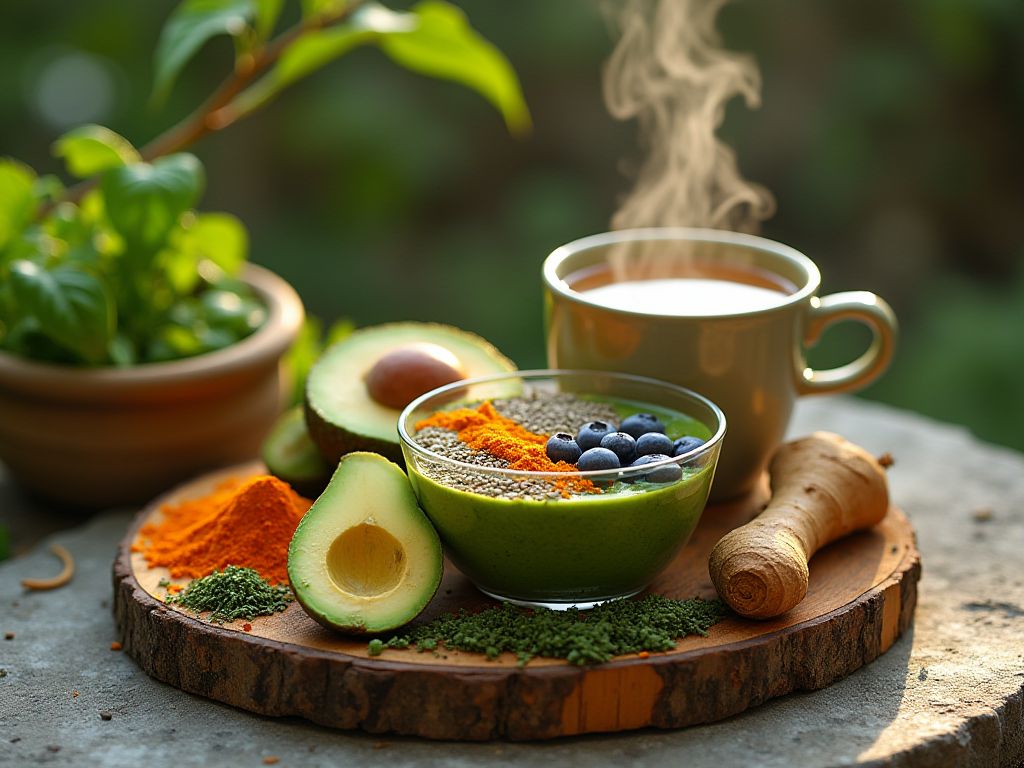
Avocados, turmeric, and leafy greens are heroes, but they’re not a shield. A 2023 study in Cell Metabolism found that people who ate “inflammatory” foods like fried chicken still saw benefits if they paired them with exercise and sleep. The takeaway? Diet matters, but it’s part of an ecosystem—not a standalone solution.
3. Exercise Can’t Outrun Genetics
Regular movement is non-negotiable. It reduces cytokine levels and boosts mitochondrial function. But what surprised researchers was how little exercise alone could do for people with a genetic predisposition to chronic inflammation. This doesn’t work for everyone. Your DNA might be the gatekeeper.
4. Supplements Are a Crutch, Not a Cure
NAC, curcumin, and omega-3s have their place—but they’re not replacements for sleep or stress management. Many patients report feeling “better” on supplements, yet blood tests reveal no significant change in inflammatory markers. The body doesn’t respond to isolated compounds the way it does to holistic habits.
5. Sleep Deprivation Is a Hidden Culprit
Your body repairs itself during deep sleep. Chronic lack of it? It’s like leaving a wound open. A 2022 Harvard study linked just two hours of lost sleep per night to a 20% increase in inflammatory proteins. But here’s the rub: even with perfect sleep hygiene, some people still struggle with inflammation. Hormonal imbalances or gut issues might be the root.
6. Stress Isn’t Just Mental—it’s Physical
Chronic stress triggers the release of cortisol, which fuels inflammation. Mindfulness practices like meditation can lower inflammatory markers, but they’re not a panacea. What many overlook is that stress is often tied to systemic issues—like a toxic work environment or unresolved trauma. Addressing the source, not just the symptoms, is key.
7. Gut Health Matters More Than You Think
Your gut is the command center for inflammation. A leaky gut lets toxins into your bloodstream, sparking a firestorm. Probiotics and fermented foods help, but they’re not a substitute for healing gut damage. Many people get stuck here, relying on supplements without tackling underlying causes like dysbiosis or food sensitivities.
8. Alcohol and Inflammation Have a Love-Hate Relationship
Even moderate drinking can spike inflammatory markers. A 2024 review in Alcoholism: Clinical & Experimental Research found that regular alcohol consumption increased C-reactive protein levels by 15%. But here’s the twist: some people report no ill effects. Genetics, again, might be the reason.
Action Plan: Small Wins, Not Grand Gestures
- Track inflammation markers (like hs-CRP) annually to see trends, not just isolated results.
- Prioritize sleep by creating a pre-sleep ritual that includes dim lighting and no screens.
- Move daily—even 20 minutes of walking can shift your inflammatory profile.
- Address gut health with a low-FODMAP diet and probiotics if symptoms persist.
This is where many people get stuck. Even with these steps, progress can feel glacial. If consistency is the issue, consider tools that help you stay on track without feeling like you’re “doing it right.”
[AMAZON_PRODUCT_PLACEHOLDER]Summary
Inflammaging isn’t a foe you can vanquish with a single strategy. It’s a complex interplay of biology, behavior, and environment. The goal isn’t to reverse it entirely—it’s to slow its march and reclaim your vitality. The science is clear: no one-size-fits-all solution exists. But with patience, data, and a willingness to adapt, you can tilt the scales in your favor.
Recommended for your journey
We've handpicked this top-rated health tool to help you achieve the results discussed in this article.
Check Price on Amazon*As an Amazon Associate, CureCurious.com earns from qualifying purchases.
Scientific References
- "Immunosenescence and inflammaging in the aging process: age-related diseases or longevity?" (2021) View Study →
- "Inflammaging: a new immune-metabolic viewpoint for age-related diseases." (2018) View Study →

Written by CureCurious Team
Editorial Team
"Our editorial team consists of passionate health researchers dedicated to bringing you the latest science-backed wellness news."