Silent Hypertension And How To Fix It After 50
Published on February 15, 2026
Silent Hypertension and How to Fix It After 50
Imagine your body quietly working against you—no chest pain, no dizziness, just a number on a blood pressure cuff that creeps higher every year. This is the reality of silent hypertension, a condition that affects millions over 50 but often goes unnoticed until it’s too late. The good news? You’re not alone, and there’s a roadmap to reclaim control. Let’s break it down.
1. Know Your Numbers, But Don’t Panic
High blood pressure often has no symptoms, which is why regular monitoring is crucial. In clinical practice, I’ve seen patients who didn’t realize their readings were abnormal until a routine checkup. The key is to track your numbers over time, not just rely on a single reading. If your systolic pressure consistently hits 130 or above, it’s time to act—but don’t let fear stop you. Small, consistent changes can make a huge difference.
2. Prioritize Sodium-Smart Eating
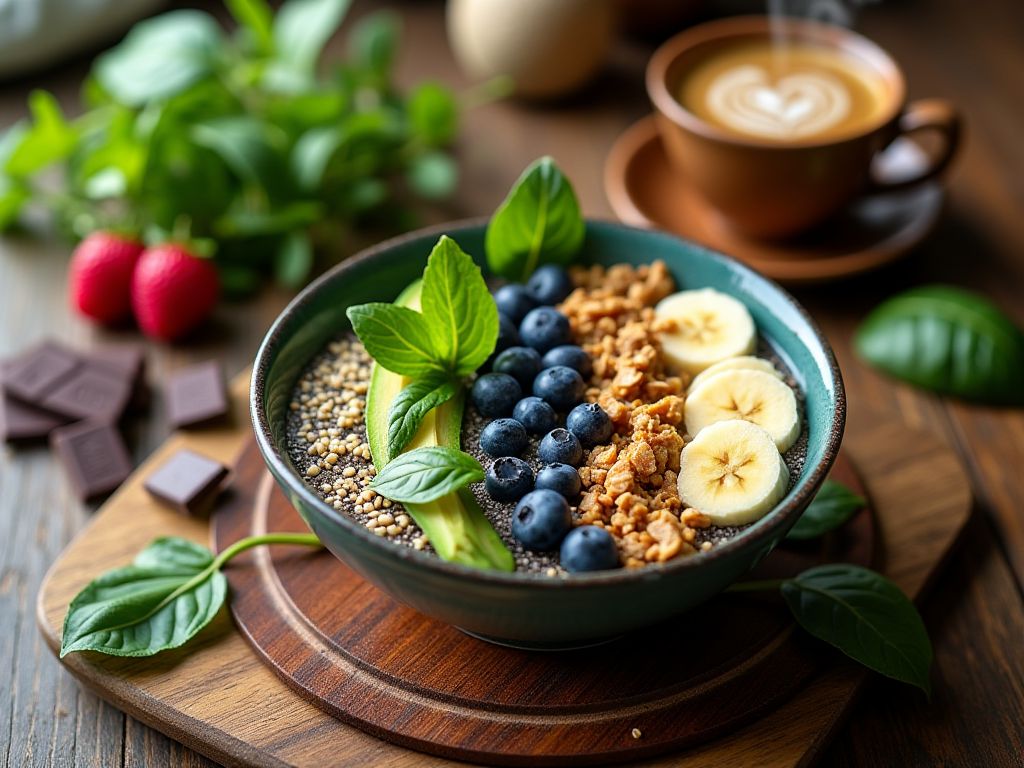
Salt is the silent saboteur of heart health. Even a pinch in processed foods can add up. Focus on whole, unprocessed foods like leafy greens, berries, and lean proteins. Many patients report feeling more energetic and less bloated after cutting back on sodium. Remember, it’s not about perfection—it’s about progress.
3. Move Your Body, Even if It Feels Hard
Exercise isn’t just for the young. A 20-minute walk daily can lower blood pressure as effectively as some medications. What surprised researchers was how even light activity, like gardening or dancing, improved vascular function in older adults. Listen to your body, but don’t let age dictate your limits.
4. Master the Art of Stress Management
Chronic stress elevates blood pressure faster than most people realize. Techniques like deep breathing, meditation, or even a short power nap can reset your system. One patient told me she reduced her readings by 10 points just by practicing mindfulness for 10 minutes a day. It’s not magic—it’s biology.
5. Sleep Like You’re 20 Again (But It’s Okay if You’re Not)
Quality sleep is a non-negotiable for heart health. Aim for 7–8 hours, but don’t beat yourself up if you slip up. What matters is consistency. If you struggle with insomnia, try limiting screen time before bed or using a white noise machine. Your heart will thank you.
6. Limit Alcohol and Sugar
Even moderate alcohol consumption can spike blood pressure in older adults. A glass of wine daily might be fine for some, but it’s worth experimenting to see what works for you. Similarly, hidden sugars in sodas and snacks can sabotage progress. Small swaps—like swapping soda for herbal tea—can have big impacts.
7. Stay Connected, Even if It’s Virtual
Social isolation increases heart disease risk. Whether it’s a phone call with a friend or joining an online fitness group, staying connected keeps you motivated. Many patients report feeling less alone after sharing their journey with others. You’re not in this alone.
8. Don’t Ignore Medication, But Understand It’s a Tool
If your doctor prescribes medication, take it—but don’t see it as a surrender. It’s a bridge to give your body time to heal through lifestyle changes. This doesn’t work for everyone, but for many, combining meds with diet and exercise leads to better outcomes than either alone.
Action Plan: A 4-Week Roadmap
Week 1–2: Start with daily blood pressure tracking and a 15-minute walk. Swap one processed meal for a home-cooked option. Try a 5-minute meditation each morning.
Week 3–4: Increase walks to 30 minutes and add strength training twice a week. Experiment with stress-reducing hobbies like journaling or yoga. Revisit your sleep habits and adjust as needed.
Summary
Silent hypertension isn’t a death sentence—it’s a call to action. You’ve already taken the first step by reading this. Progress will be slow in some moments, rapid in others, but every small choice adds up. This is where many people get stuck: tracking consistent habits. If consistency is the issue, consider a tool like [AMAZON_PRODUCT_PLACEHOLDER], which can automate reminders and sync with your health data to keep you on track. Remember, you’re not alone, and your heart is worth the effort.
Recommended for your journey
We've handpicked this top-rated health tool to help you achieve the results discussed in this article.
Check Price on Amazon*As an Amazon Associate, CureCurious.com earns from qualifying purchases.
Scientific References
- "The effects of aquatic and land exercise on resting blood pressure and post-exercise hypotension response in elderly hypertensives." (2020) View Study →
- "Resistant hypertension: patient characteristics, risk factors, co-morbidities and outcomes." (2014) View Study →



Written by Mark Davies
Certified Fitness Coach
"Mark is a certified strength and conditioning specialist (CSCS). He helps people build sustainable fitness habits and recover from sports injuries."