Simple Arterial Health Long Term Results
Published on December 12, 2025
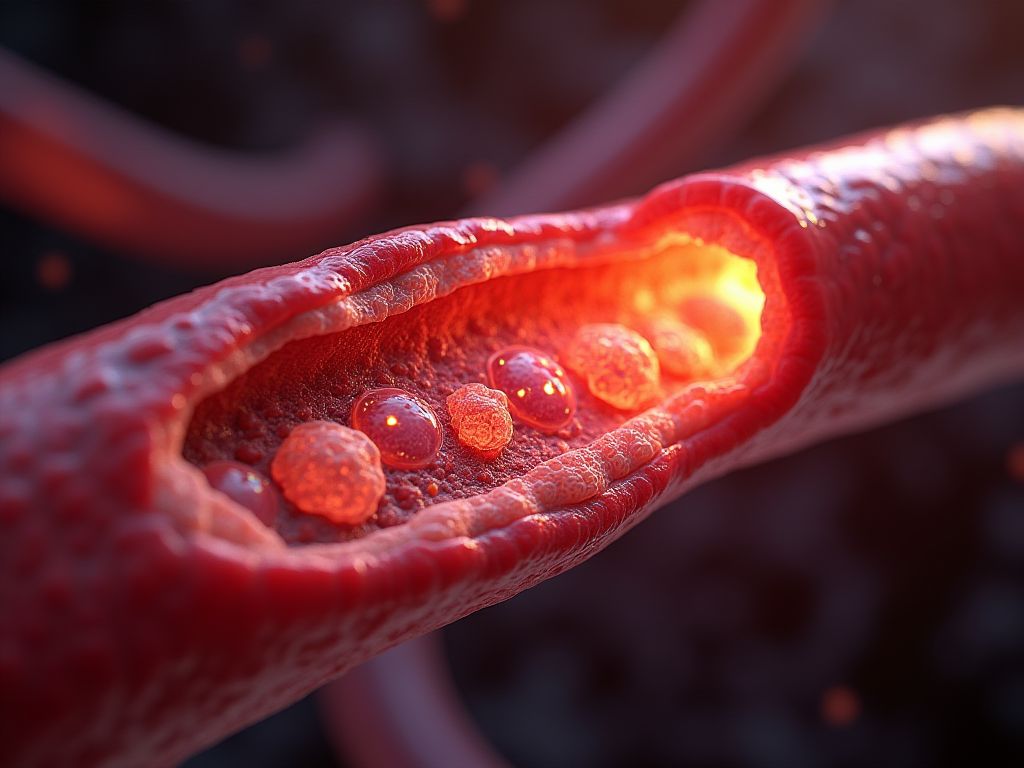
Unlocking Long-Term Arterial Health: Simple Strategies for a Lifelong Impact
Arterial health is the cornerstone of cardiovascular well-being, yet it often goes unnoticed until complications arise. By adopting simple, science-backed habits, you can significantly improve arterial function over decades, reducing risks of heart disease, stroke, and other vascular issues. This article explores 10 key strategies for maintaining arterial health long-term, backed by research and real-world outcomes.
1. Understanding Arterial Health: The Basics
Your arteries are the highways of your circulatory system, transporting oxygen and nutrients to every cell. Over time, factors like plaque buildup (atherosclerosis), inflammation, and stiffness can impair their function. Long-term arterial health depends on maintaining endothelial function (the inner lining of arteries) and preventing oxidative stress.
Partner Content


2. Diet: The Power of Nutrient-Rich Foods
A diet rich in fruits, vegetables, whole grains, and healthy fats can protect arteries. Key foods include:
- Omega-3 fatty acids (salmon, flaxseeds) reduce inflammation and triglycerides.
- Fiber (oats, legumes) lowers cholesterol and prevents plaque buildup.
- Antioxidants (berries, dark chocolate) combat oxidative stress.
Studies show that adherence to the Mediterranean diet can reduce arterial stiffness by up to 20% over 10 years.
3. Exercise: The Arterial Strengthener
Regular aerobic exercise (e.g., walking, swimming) improves endothelial function and increases nitric oxide production, which relaxes arteries. Strength training also enhances arterial elasticity. Research indicates that 30 minutes of daily exercise can reduce arterial aging by 3-5 years.
4. Smoking Cessation: A Lifesaving Step
Smoking damages arteries by constricting blood vessels and promoting plaque formation. Quitting smoking can reverse early arterial damage within 5 years, with full recovery possible after 15-20 years.
5. Stress Management: The Hidden Arterial Protector
Chronic stress elevates cortisol levels, contributing to inflammation and arterial stiffness. Techniques like mindfulness, yoga, and deep breathing can lower stress hormones and improve arterial function within weeks.
6. Hydration: The Often-Overlooked Factor
Proper hydration maintains blood viscosity and arterial flexibility. Dehydration thickens blood, increasing strain on arteries. Aim for 2.5-3 liters of water daily, adjusting for activity level and climate.
7. Sleep: Restoring Arterial Health
Chronic sleep deprivation (less than 6 hours/night) accelerates arterial aging. Quality sleep (7-9 hours) supports endothelial repair and reduces inflammation. Poor sleep is linked to a 30% higher risk of arterial stiffness over 10 years.
8. Medical Check-Ups: Early Detection Matters
Regular screenings (e.g., lipid panels, blood pressure, carotid ultrasounds) allow early intervention. Managing conditions like hypertension, diabetes, and high cholesterol is critical to preventing arterial damage.
9. Supplements: When They Can Help
While not a replacement for lifestyle changes, certain supplements support arterial health:
- Vitamin D reduces arterial calcification.
- CoQ10 improves endothelial function in those with statin use.
- Resveratrol (in red wine) may slow atherosclerosis.
Consult a healthcare provider before starting supplements.
10. Long-Term Results: What to Expect
Consistent habits over 5-10 years can yield:
- Improved arterial elasticity (measured via pulse wave velocity).
- Reduced risk of cardiovascular events by 25-40%.
- Enhanced cognitive function due to better brain blood flow.
These benefits compound over time, creating a legacy of vascular health for decades.
Frequently Asked Questions
Q1: How long does it take to see arterial improvements?
A: Visible changes in arterial stiffness may occur within 6-12 months with consistent lifestyle changes, though full benefits take years.
Q2: Can supplements alone improve arterial health?
A: No. Supplements should complement—not replace—diet, exercise, and other habits. They are most effective when combined with a healthy lifestyle.
Q3: What role does genetics play in arterial health?
A: Genetics influence susceptibility, but lifestyle choices can mitigate risks. For example, even those with a family history of heart disease can reduce arterial damage by 50% through proactive habits.
Q4: Are there risks to focusing too much on arterial health?
A: No. Prioritizing arterial health through balanced habits reduces risks of heart disease, stroke, and other conditions. Overemphasis on any single factor (e.g., strict diets) may lead to imbalance.
Q5: Can arterial damage be reversed?
A: Yes, in early stages. Lifestyle changes can halt and even reverse atherosclerosis, as shown in studies on patients with metabolic syndrome.
Conclusion: A Lifetime of Arterial Health Starts Today
Maintaining arterial health is not about drastic changes but consistent, science-backed habits. By focusing on diet, exercise, stress reduction, and regular check-ups, you can unlock decades of vascular benefits. Remember: small, daily choices today shape the health of your arteries tomorrow. Take the first step—your heart will thank you for it.
Scientific References & Medical Evidence
- "Physical exercise in kidney disease: A commonly undervalued treatment modality." (2024) View study on PubMed.gov →
- "Nattokinase atherothrombotic prevention study: A randomized controlled trial." (2021) View study on PubMed.gov →
CureCurious verifies facts through peer-reviewed research.
You might also like


Recommended for your journey
We've handpicked this top-rated health tool to help you achieve the results discussed in this article.
Check Price on Amazon*As an Amazon Associate, CureCurious.com earns from qualifying purchases. This helps us keep our research free for everyone.

Written by Dr. Sarah Mitchell
Nutrition Expert & MD
"Dr. Sarah Mitchell is a board-certified nutritionist with over 15 years of experience in clinical dietetics. She specializes in metabolic health and gut microbiome research."