Skin Aging Prevention Results For Over 30
Published on December 11, 2025
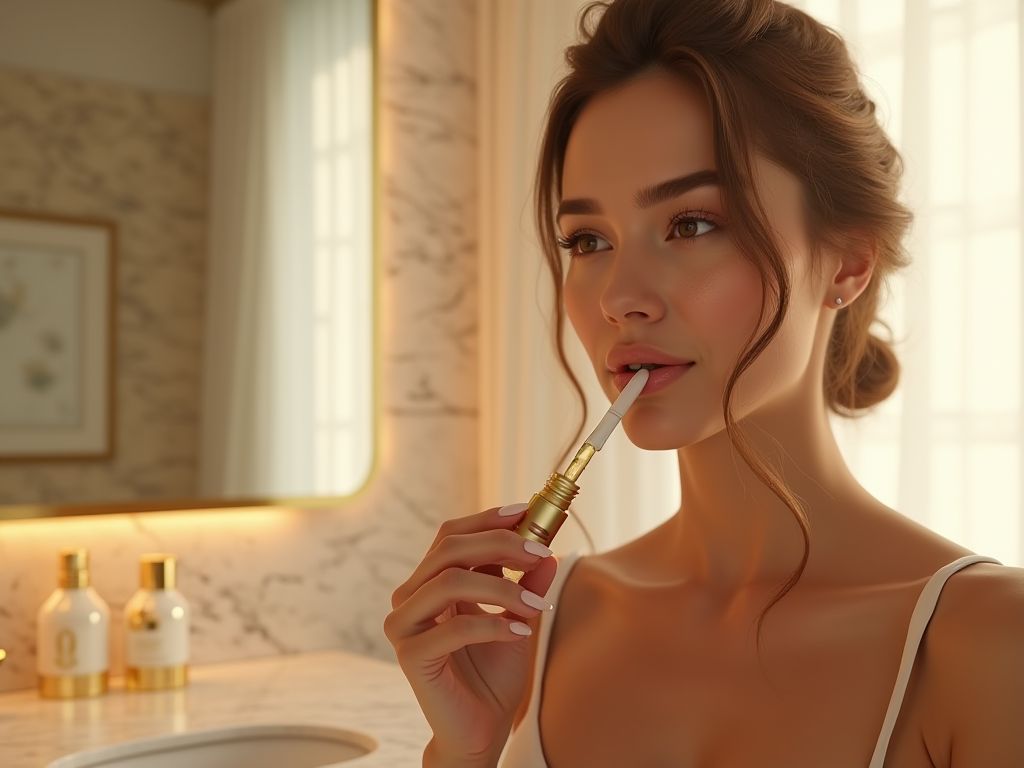
Combatting Skin Aging: A Science-Backed Guide for Those Over 30
As we age, our skin undergoes natural changes—loss of elasticity, increased dryness, and the emergence of fine lines and wrinkles. However, with the right strategies, it’s possible to slow these effects and maintain a radiant, youthful appearance. This article explores evidence-based approaches to skin aging prevention tailored for individuals over 30, backed by dermatological research and clinical studies.
1. Understanding the Biology of Skin Aging
After 30, the skin’s production of collagen and hyaluronic acid declines by about 1% annually. This leads to thinner skin, reduced firmness, and the formation of wrinkles. Additionally, the skin’s ability to repair itself diminishes, making it more vulnerable to damage. Understanding these biological changes is the first step in developing an effective anti-aging strategy.
Partner Content


2. Sun Protection: The Most Critical Defense
UV radiation is the leading external cause of premature aging. Studies show that consistent use of broad-spectrum SPF 30+ sunscreen can reduce photoaging by up to 90%. Combine this with daily use of protective clothing and hats, and avoid peak sun hours (10 a.m.–4 p.m.). Reapply sunscreen every two hours, even on cloudy days.
3. Antioxidants: Neutralizing Free Radicals
Free radicals from pollution, UV rays, and lifestyle factors accelerate skin aging. Antioxidants like vitamin C, vitamin E, and green tea extract combat these radicals. Research from the *Journal of Clinical and Aesthetic Dermatology* highlights that topical antioxidants improve skin texture and reduce hyperpigmentation.
4. Hydration: The Key to Plump, Resilient Skin
Hydrated skin appears smoother and more elastic. Use moisturizers with hyaluronic acid, which can hold up to 1,000 times its weight in water. Drinking 2–3 liters of water daily also supports skin health from within. Avoid excessive alcohol and caffeine, which can dehydrate the skin.
5. Retinoids: Boosting Collagen Production
Retinoids (like retinol) stimulate collagen synthesis, reduce fine lines, and improve skin texture. Start with a low concentration (0.25–0.5%) and gradually increase usage to avoid irritation. Consistent use over 12 weeks can lead to visible improvements, according to the *American Academy of Dermatology*.
6. Sleep: The Skin’s Natural Repair Time
During sleep, the skin undergoes repair processes, including cell turnover and collagen production. Lack of sleep disrupts these cycles, leading to dullness and premature aging. Aim for 7–9 hours of quality sleep nightly, and avoid blue light exposure from screens before bed.
7. Diet: Nourishing Skin from the Inside
Antioxidant-rich foods (berries, leafy greens, fatty fish) and omega-3 fatty acids (found in walnuts and flaxseeds) support skin health. Hydration and a balanced diet rich in vitamins A, C, and E can reduce inflammation and promote a healthy glow. Avoid processed foods high in sugar, which accelerate glycation and aging.
8. Stress Management: Reducing Invisible Damage
Chronic stress increases cortisol levels, which breaks down collagen and leads to wrinkles. Practices like yoga, meditation, and deep breathing can lower stress. A 2022 study in *Dermato-Endocrinology* linked mindfulness practices to improved skin texture and reduced signs of aging.
9. Skincare Routines: Tailored for Mature Skin
Over 30, your skincare routine should include:
- Cleansing: Use gentle, non-foaming cleansers to avoid stripping natural oils.
- Treatment: Incorporate retinoids, vitamin C serums, and hyaluronic acid.
- Moisturizing: Choose formulas with ceramides or peptides for barrier repair.
- Sunscreen: Apply daily, even on cloudy days or when indoors.
10. Professional Treatments: Enhancing Results
For advanced prevention, consider treatments like chemical peels, laser therapy, or microdermabrasion. These procedures stimulate collagen and address deep wrinkles. Consult a dermatologist to determine the best options for your skin type and concerns.
Frequently Asked Questions
Q: What are the best ingredients for anti-aging skincare?
A: Look for retinol, hyaluronic acid, vitamin C, niacinamide, and peptides. These ingredients are clinically proven to improve texture, firmness, and hydration.
Q: How long does it take to see results from anti-aging products?
A: Most products require 8–12 weeks of consistent use to show visible improvements. Patience and adherence to routines are essential.
Q: Can natural remedies prevent skin aging effectively?
A: While natural ingredients like aloe vera or rosehip oil can support skin health, they’re not a substitute for scientifically formulated products. Always combine them with proven dermatological treatments.
Q: Are expensive skincare products worth it?
A: Not necessarily. Look for products with high concentrations of active ingredients, not just price. Affordable brands like The Ordinary and Paula’s Choice offer effective, science-backed formulas.
Conclusion: Embrace a Holistic Approach to Skin Health
Preventing skin aging over 30 requires a multifaceted approach—combining sun protection, nourishing skincare, a healthy lifestyle, and professional treatments. While aging is inevitable, its visible signs can be minimized with consistency and informed choices. Invest in your skin’s future today, and reap the rewards of a glowing, youthful complexion for years to come.
Scientific References & Medical Evidence
- "Effects of hydrolyzed collagen supplementation on skin aging: a systematic review and meta-analysis." (2021) View study on PubMed.gov →
- "A Single-Cell Transcriptomic Atlas of Human Skin Aging." (2021) View study on PubMed.gov →
CureCurious verifies facts through peer-reviewed research.
You might also like


Recommended for your journey
We've handpicked this top-rated health tool to help you achieve the results discussed in this article.
Check Price on Amazon*As an Amazon Associate, CureCurious.com earns from qualifying purchases. This helps us keep our research free for everyone.

Written by Dr. Linda Wei
Dermatologist & Skincare Expert
"Dr. Wei is dedicated to evidence-based skincare. She helps readers navigate the complex world of cosmetic ingredients to find what truly works for their skin type."