Sleep Apnea And The Heart: Why Poor Sleep Is A Silent Driver Of Hypertension
Published on December 26, 2025
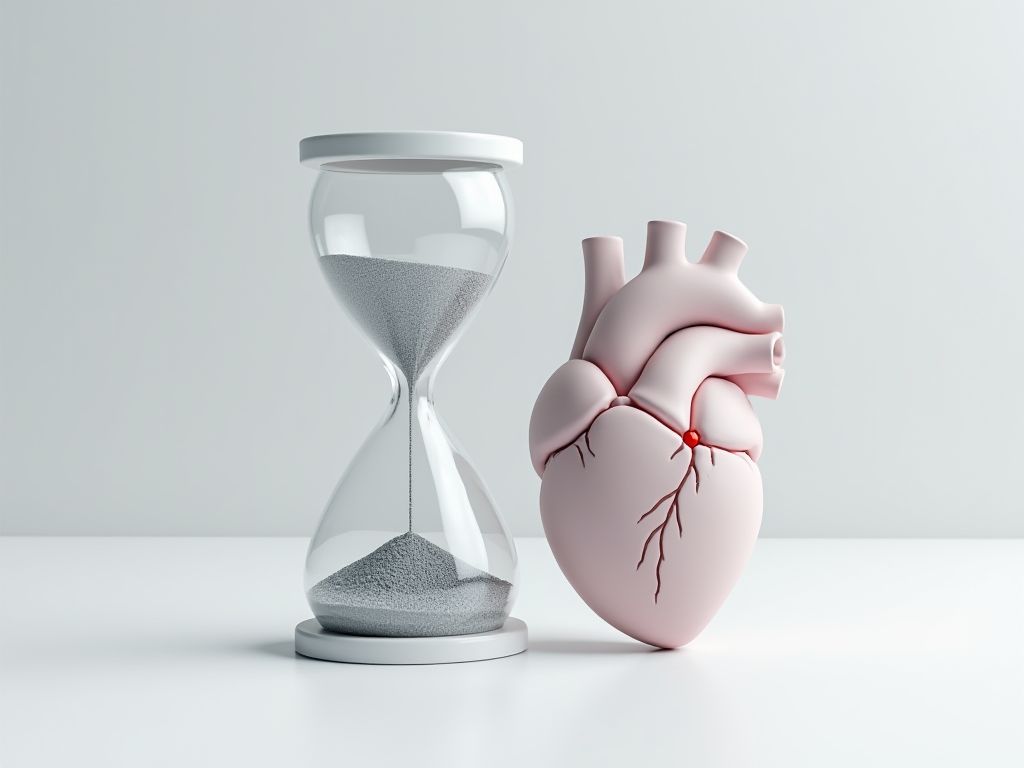
The Silent Connection: How Sleep Apnea Fuels Hypertension
Imagine your body as a finely tuned symphony, where every note—every heartbeat, every breath—must align for harmony. When sleep apnea disrupts this rhythm, it doesn’t just cause snoring or daytime fatigue. It quietly triggers a cascade of physiological chaos, one that often leads to hypertension. This insidious link between sleep apnea and high blood pressure is a silent crisis, affecting millions without their even knowing. Let’s unravel how this connection works—and why it demands attention before it’s too late.
The Hidden Mechanism: Sleep Apnea and the Cardiovascular System
Sleep apnea, particularly obstructive sleep apnea (OSA), is characterized by repeated interruptions in breathing during sleep. Each pause in respiration triggers a chain reaction: oxygen levels in the blood plummet, the heart races to compensate, and the body’s autonomic nervous system goes into overdrive. Over time, these disruptions wreak havoc on blood vessels, causing them to stiffen and narrow. This is the body’s way of trying to maintain oxygen supply, but the result is a persistent elevation in blood pressure—hypertension, the silent killer.
- Intermittent Hypoxia: Repeated oxygen deprivation damages endothelial cells in blood vessels, impairing their ability to regulate blood flow.
- Increased Sympathetic Activity: The body’s “fight or flight” response is constantly activated, raising heart rate and constricting blood vessels.
- Inflammation and Oxidative Stress: Chronic sleep fragmentation triggers systemic inflammation, further damaging vascular health.
The Heart’s Unseen Battle
While the heart may seem resilient, it’s not immune to the toll of sleep apnea. Each night of disrupted sleep forces the heart to work harder, pumping blood through stiffened arteries. This strain can lead to left ventricular hypertrophy—a thickening of the heart muscle—and eventually, heart failure. Worse still, untreated sleep apnea is linked to a higher risk of arrhythmias, strokes, and sudden cardiac death. The heart, once a symbol of endurance, becomes a casualty of sleep deprivation.
“Sleep apnea is not just a sleep disorder. It’s a cardiovascular emergency in disguise.”
Crafting a Sleep Environment That Protects the Heart
For those with sleep apnea, the bedroom must be a sanctuary, not a battleground. Key adjustments can mitigate the damage:
- CPAP Therapy: Continuous positive airway pressure (CPAP) machines are the gold standard for treating OSA, keeping airways open and restoring oxygen levels.
- Positioning: Sleeping on your side can reduce airway obstruction, especially for mild to moderate cases.
- Humidity and Temperature: A cool, moist environment promotes deeper, more restorative sleep.
Bedtime Rituals: Restoring Balance
Even with a CPAP machine, the quality of sleep depends on pre-sleep routines. Avoiding screens an hour before bed, practicing deep breathing exercises, and minimizing caffeine intake in the afternoon can all support rest. The goal is to create a ritual that signals to the body: “It’s time to heal.” In this quiet hour, the heart and mind find a rare moment of peace—one that can reverse the damage of sleep apnea over time.
For those grappling with sleep apnea, the path to better heart health begins with a single step: prioritizing rest. But sometimes, that step requires a little help. A tool designed to monitor sleep patterns and optimize breathing could be the missing piece in your journey toward restful nights and a healthier heart.
Recommended for your journey
We've handpicked this top-rated health tool to help you achieve the results discussed in this article.
Check Price on Amazon*As an Amazon Associate, CureCurious.com earns from qualifying purchases.
Scientific References
- "Sleep Apnea and Hypertension." (2022) View Study →
- "Hypertension and Sleep Apnea." (2015) View Study →



Written by Marcus Thorne
Sleep Hygiene Specialist
"Marcus helps people overcome insomnia and optimize their circadian rhythms. He believes that deep sleep is the foundation of all health."