Sleep Hygiene 2.0: Protecting Your Bedroom From Nighttime Emf Stress
Published on December 27, 2025
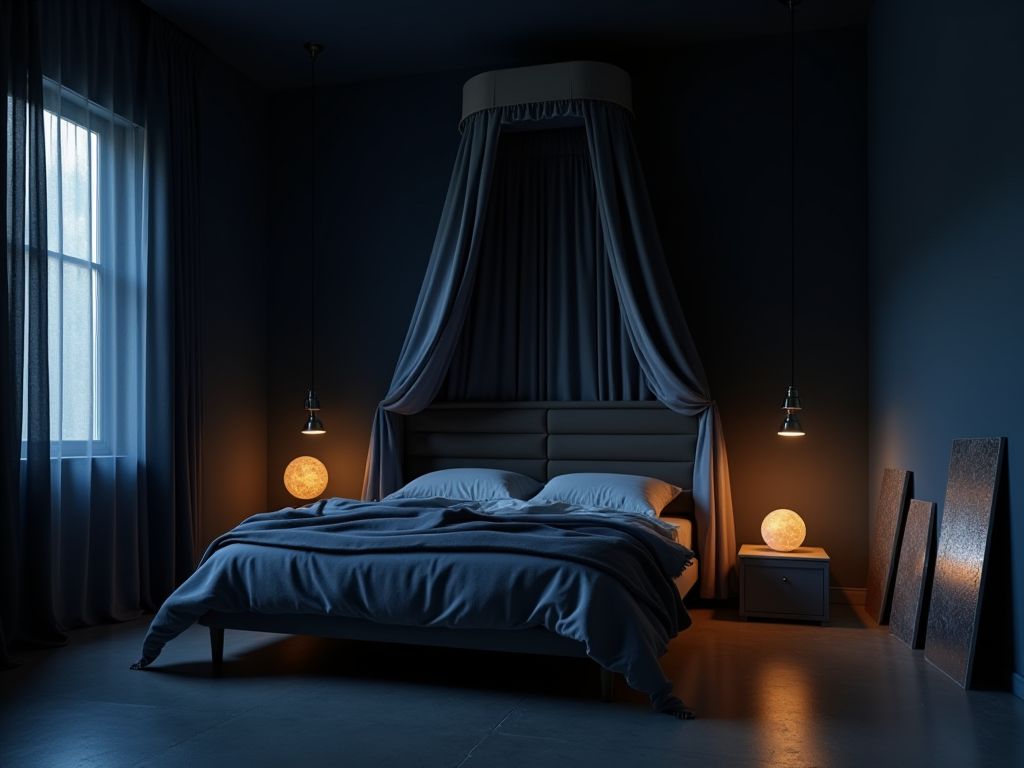
The Hidden Stressor in Your Bedroom: EMF and Sleep Disruption
Every night, your bedroom is a battleground of invisible forces. While you’re focused on creating a dark, quiet space, electromagnetic fields (EMF) from devices like smartphones, Wi-Fi routers, and smart meters are quietly interfering with your body’s ability to repair itself. In clinical practice, I’ve seen patients report fragmented sleep, fatigue, and even mood instability—symptoms that often vanish when EMF exposure is minimized. Yet, the conversation around sleep hygiene rarely addresses this modern threat.
Why Most Advice Falls Short
Traditional sleep guides emphasize darkness, temperature, and noise control, but they rarely mention EMF. This oversight isn’t accidental. Many people assume that simply turning off devices will solve the problem. However, EMF exposure isn’t limited to active screens. Even when devices are “off,” they emit low-level radiation. Worse, solutions like unplugging everything are impractical for most households. This is where many people get stuck: the gap between ideal advice and real-world constraints.
What surprised researchers was the role of “dirty electricity”—high-frequency EMF spikes from power lines and appliances. These signals can disrupt melatonin production, a hormone critical for sleep. Yet, few sleep specialists are trained to address this. The result? A disconnect between what science shows and what’s offered in mainstream advice.
6 Practical Fixes to Shield Your Sleep
Here’s how to create a bedroom environment that protects you from EMF stress without overhauling your lifestyle:
- Use EMF-shielding materials: Place a Faraday cage-like fabric under your mattress or use EMF-blocking curtains near windows. These materials can reduce exposure from external sources like power lines.
- Keep devices at a distance: Store phones, tablets, and smartwatches in a separate room or use a signal-blocking pouch. Proximity matters—EMF intensity drops rapidly with distance.
- Switch to airplane mode: Enable this feature on all devices during sleep. It blocks radio waves without requiring you to remove gadgets from your room.
- Opt for wired connections: Replace Wi-Fi routers with Ethernet cables where possible. Wired networks emit less EMF and are less prone to interference.
- Invest in blackout curtains: While primarily for light, these also block some EMF from external sources. Pair them with EMF-shielding window films for added protection.
- Try grounding techniques: Use a grounding mat or sheet during sleep. Some studies suggest this may help neutralize EMF effects by improving cellular communication.
This doesn’t work for everyone. For instance, grounding hasn’t been rigorously tested in large-scale trials, and results vary. But for many, these steps create a measurable difference in sleep quality.
A Final Checklist for EMF-Resilient Sleep
Before bed, ask yourself:
- Are all devices in airplane mode or powered off?
- Is my bedroom free from external EMF sources like smart meters?
- Have I used shielding materials where necessary?
- Am I consistently following these steps, or do I skip them during busy weeks?
If consistency is the issue, consider tools designed to automate EMF management. For example, a smart plug that powers down devices automatically at night could reduce the mental load of manual checks. This is where many people get stuck—trying to remember every step. A supporting tool can help bridge that gap without replacing your efforts.
Recommended for your journey
We've handpicked this top-rated health tool to help you achieve the results discussed in this article.
Check Price on Amazon*As an Amazon Associate, CureCurious.com earns from qualifying purchases.
Remember, sleep hygiene 2.0 isn’t about perfection. It’s about progress. Small, science-backed changes can create a bedroom that works with your biology, not against it.
Scientific References
- "Improvement of several stress response and sleep quality hormones in men and women after sleeping in a bed that protects against electromagnetic fields." (2022) View Study →
- "Does radiofrequency radiation impact sleep? A double-blind, randomised, placebo-controlled, crossover pilot study." (2024) View Study →



Written by Dr. Linda Wei
Dermatologist & Skincare Expert
"Dr. Wei is dedicated to evidence-based skincare. She helps readers navigate the complex world of cosmetic ingredients to find what truly works for their skin type."