Sleep Hygiene Practices: Common Mistakes
Published on December 11, 2025
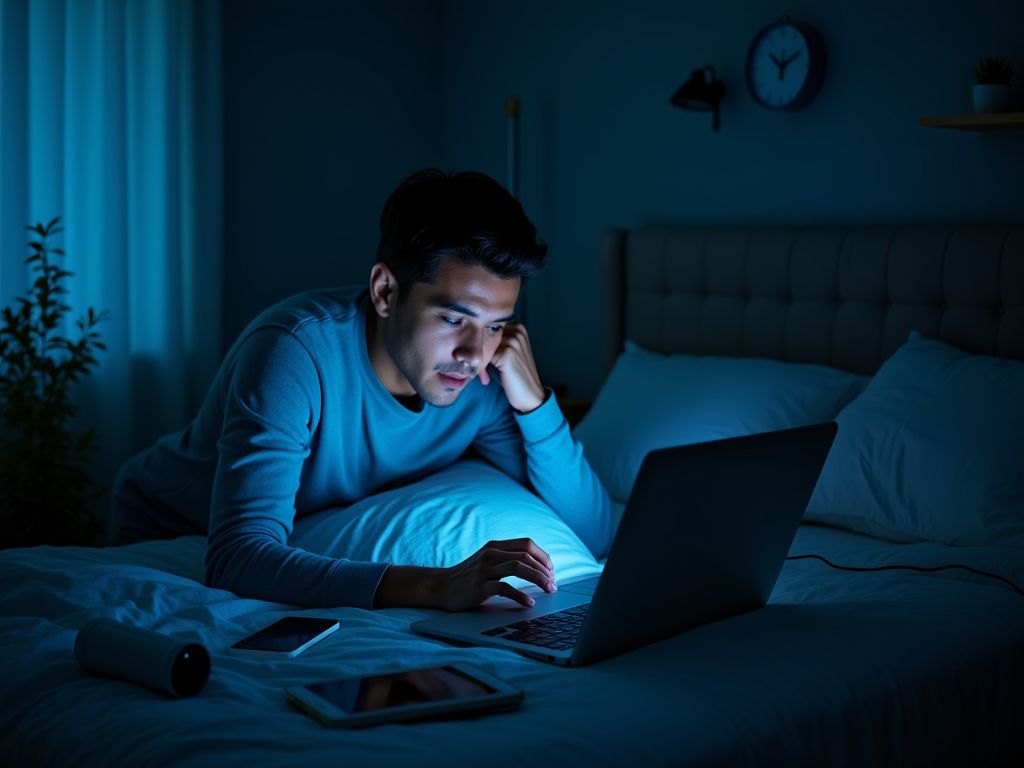
Understanding Sleep Hygiene: Common Mistakes and How to Fix Them
Getting quality sleep is essential for physical health, mental clarity, and emotional well-being. Yet, many people struggle with poor sleep due to bad habits and misconceptions about sleep hygiene. This article explores the most common mistakes that sabotage sleep quality and offers science-backed solutions to help you achieve restful, rejuvenating sleep.
1. Inconsistent Sleep Schedules
Going to bed and waking up at different times each day disrupts your circadian rhythm, the body’s internal clock. This inconsistency can lead to difficulty falling asleep, frequent awakenings, and daytime fatigue. The solution? Stick to a consistent sleep-wake schedule, even on weekends.
2. Using Electronic Devices Before Bed
Smartphones, tablets, and TVs emit blue light that suppresses melatonin production, the hormone that signals sleep. This can delay sleep onset and reduce sleep quality. To fix this, avoid screens at least 1 hour before bedtime and consider using blue light filters or apps that reduce screen brightness.
3. Consuming Caffeine Too Late in the Day
Caffeine is a stimulant that can stay in your system for up to 6 hours. Consuming it after noon increases the risk of insomnia and disrupts sleep cycles. Limit caffeine intake to the morning and opt for decaf or herbal teas in the afternoon.
4. Creating an Uncomfortable Sleep Environment
A bedroom that’s too bright, noisy, or uncomfortable can prevent restful sleep. Ideal conditions include a cool temperature (around 65°F or 18°C), minimal light, and a supportive mattress and pillows. Invest in blackout curtains, white noise machines, and breathable bedding materials.
5. Skipping Physical Activity
Regular exercise improves sleep quality by reducing stress and promoting deeper sleep. However, exercising too close to bedtime can increase alertness. Aim for moderate-intensity workouts earlier in the day, ideally 3–4 hours before bed.
6. Irregular Sleep Patterns on Weekends
Binging sleep on weekends to compensate for weekday sleep deprivation can disrupt your circadian rhythm, leading to a phenomenon called “social jet lag.” This can cause grogginess and fatigue. Try to maintain a consistent sleep schedule even on weekends, allowing for a 1–2 hour adjustment if necessary.
7. Overlooking the Impact of Stress and Anxiety
Chronic stress and anxiety are major contributors to insomnia. Racing thoughts and worry can prevent you from falling asleep or staying asleep. Mindfulness practices, journaling, and cognitive behavioral therapy for insomnia (CBT-I) are effective strategies to manage stress and improve sleep.
8. Eating Heavy Meals or Snacks Before Bed
Eating a large meal or consuming caffeine-containing snacks (like chocolate) before bed can cause indigestion, heartburn, and disrupted sleep. If you’re hungry, opt for a light snack rich in tryptophan (e.g., bananas, almonds) or magnesium (e.g., pumpkin seeds) to support relaxation.
9. Relying on Alcohol to Fall Asleep
While alcohol may help you fall asleep faster, it disrupts sleep architecture, reducing REM sleep and increasing the likelihood of waking up during the night. Alcohol also acts as a diuretic, leading to more frequent bathroom trips. Avoid alcohol at least 3–4 hours before bedtime.
10. Ignoring the Power of Natural Light
Exposure to natural light during the day helps regulate your circadian rhythm. Spending time outdoors in the morning or using light therapy boxes can improve sleep quality and help you feel more alert during the day. Avoid bright lights in the evening to signal to your body that it’s time to wind down.
Frequently Asked Questions
- How much sleep do adults really need? Adults should aim for 7–9 hours of sleep per night, according to the National Sleep Foundation. Consistently getting less than 7 hours increases the risk of chronic health issues.
- Is it okay to nap during the day? Short naps (20–30 minutes) can boost alertness and mood, but long or late naps can interfere with nighttime sleep. Avoid napping after 3 PM.
- What should I do if I have insomnia? If insomnia persists for more than a few weeks, consult a healthcare provider. Cognitive behavioral therapy for insomnia (CBT-I) is a first-line treatment and has been shown to be highly effective.
Conclusion
Improving sleep hygiene requires awareness of common mistakes and a commitment to making small, sustainable changes. By addressing issues like inconsistent schedules, screen time, and stress, you can create a sleep environment that promotes restful, restorative sleep. Remember, quality sleep is not a luxury—it’s a vital component of a healthy, balanced life. Prioritize your sleep, and you’ll reap the benefits in both your physical and mental well-being.
Scientific References & Medical Evidence
- "Sleep During the COVID-19 Pandemic." (2022) View study on PubMed.gov →
- "A scoping review of sleep education and training for nurses." (2023) View study on PubMed.gov →
CureCurious verifies facts through peer-reviewed research.
You might also like


Recommended for your journey
We've handpicked this top-rated health tool to help you achieve the results discussed in this article.
Check Price on Amazon*As an Amazon Associate, CureCurious.com earns from qualifying purchases. This helps us keep our research free for everyone.

Written by Marcus Thorne
Sleep Hygiene Specialist
"Marcus helps people overcome insomnia and optimize their circadian rhythms. He believes that deep sleep is the foundation of all health."