The Alcohol-Arrhythmia Link: Why Even "Social Drinking" Impacts Your Heart Rhythm
Published on December 29, 2025
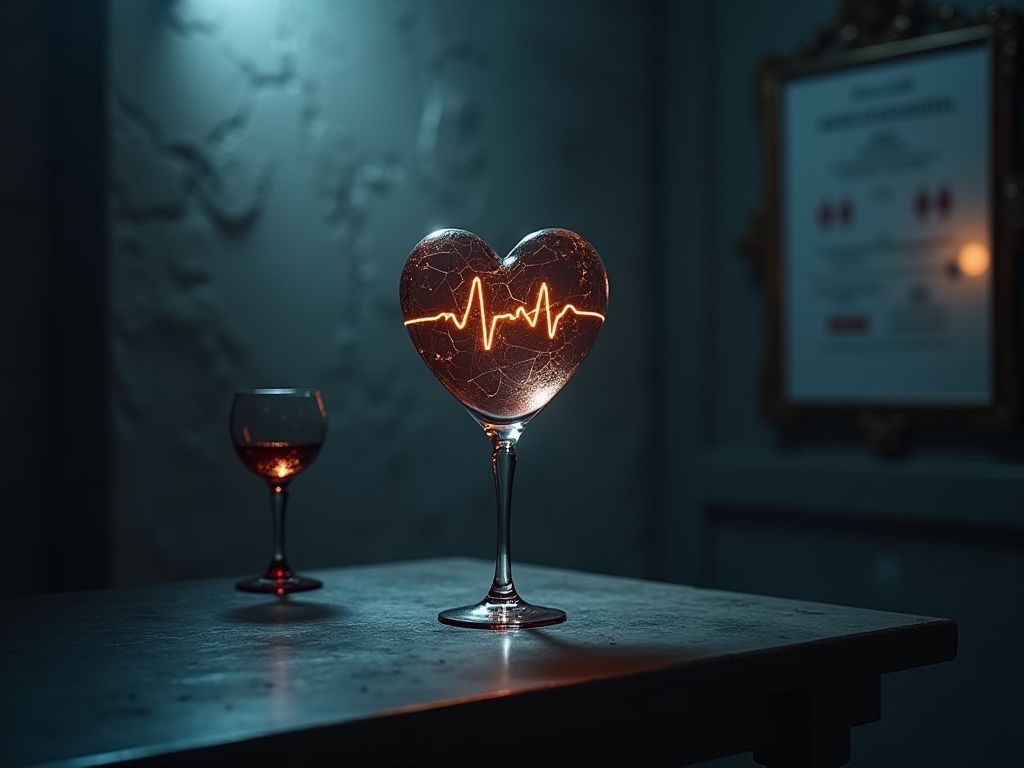
The Quiet Thief of Rhythm: How Alcohol Silently Disrupts Your Heart
In clinical practice, I’ve watched patients shrug off irregular heartbeats as “just a little flutter,” only to later discover they’d been drinking socially for years. What surprised researchers was the subtlety of alcohol’s grip on cardiac rhythm—its effects are rarely dramatic, yet they accumulate like sediment in a riverbed. This isn’t about heavy drinking or addiction. It’s about the quiet, insidious damage that even a few glasses of wine or beer can inflict on the body’s electrical symphony.
1. Alcohol Alters Heart Rate Variability
Heart rate variability (HRV)—the measure of how your heart adapts to stress—is a barometer of health. Alcohol consumption, even in moderation, has been shown to reduce HRV, leaving the heart less flexible and more prone to irregularities. This isn’t just a number on a screen; it’s a warning sign that the body’s autonomic nervous system is struggling to balance fight-or-flight responses with recovery.
2. Electrolyte Imbalance and Arrhythmia Risk
Alcohol acts as a diuretic, flushing out potassium, magnesium, and calcium—minerals essential for proper heart function. When these levels dip, the heart’s electrical signals can misfire, leading to palpitations or atrial fibrillation. Many patients report feeling a “shaky” heartbeat after drinking, a symptom they often dismiss as temporary.
3. Sleep Disruption as a Silent Culprit
Even a single night of drinking can fragment sleep, reducing the restorative deep sleep that helps the heart repair itself. Poor sleep amplifies the risk of arrhythmias by elevating stress hormones like cortisol, which keep the heart in a perpetual state of alertness.
4. Dehydration and Its Hidden Toll
Alcohol’s dehydrating effect isn’t just about thirst. It thickens the blood, making it harder for the heart to pump efficiently. This strain can trigger or worsen existing arrhythmias, especially in those with preexisting heart conditions.
5. Alcohol and the Stress Hormone Cycle
Drinking increases adrenaline and cortisol, hormones that raise heart rate and constrict blood vessels. Over time, this creates a feedback loop where the heart becomes more sensitive to stress, even in the absence of alcohol.
6. Long-Term Damage to Cardiac Tissue
Chronic alcohol use can lead to cardiomyopathy, a weakening of the heart muscle. This isn’t an immediate effect—it’s a slow erosion, often unnoticed until heart failure or sudden cardiac arrest occurs.
7. Medication Interactions You Can’t Ignore
Alcohol interacts with many heart medications, from beta-blockers to antiarrhythmics. These interactions can either amplify side effects or reduce the drugs’ effectiveness, leaving the heart vulnerable to irregular rhythms.
8. The Genetic Factor: Why Some Are More Vulnerable
Genetics play a role in how alcohol affects the heart. Some individuals have a genetic predisposition to arrhythmias, making even light drinking a risk. This doesn’t work for everyone—yet for those with certain variants, the stakes are higher.
Action Plan: Protect Your Heart’s Rhythm
- Track your heart rate and rhythm using a wearable device, especially after drinking.
- Stay hydrated before, during, and after alcohol consumption to mitigate electrolyte loss.
- Limit alcohol to no more than one standard drink per day, if at all.
- Consult a healthcare provider if you experience persistent palpitations or dizziness.
- Consider genetic testing if you have a family history of heart conditions.
This is where many people get stuck: the gap between knowing the risk and actually changing behavior. If consistency is the issue, a tool that helps monitor heart health in real time could be a supporting tool to bridge that gap.
Recommended for your journey
We've handpicked this top-rated health tool to help you achieve the results discussed in this article.
Check Price on Amazon*As an Amazon Associate, CureCurious.com earns from qualifying purchases.
Summary
Alcohol’s impact on heart rhythm is a slow, often invisible process. It doesn’t shout for attention—it whispers, leaving damage that accumulates over years. The warnings here aren’t meant to instill fear but to illuminate a path toward awareness. Your heart’s rhythm is a language worth listening to, and every drink you take is a word in its story.
Scientific References
- "Alcohol and Arrhythmias." (2023) View Study →
- "Pulmonary Vein Isolation With Optimized Linear Ablation vs Pulmonary Vein Isolation Alone for Persistent AF: The PROMPT-AF Randomized Clinical Trial." (2025) View Study →



Written by Marcus Thorne
Sleep Hygiene Specialist
"Marcus helps people overcome insomnia and optimize their circadian rhythms. He believes that deep sleep is the foundation of all health."