The D3/K2/Magnesium Trio: The Ultimate Protocol For Bone And Heart
Published on December 26, 2025
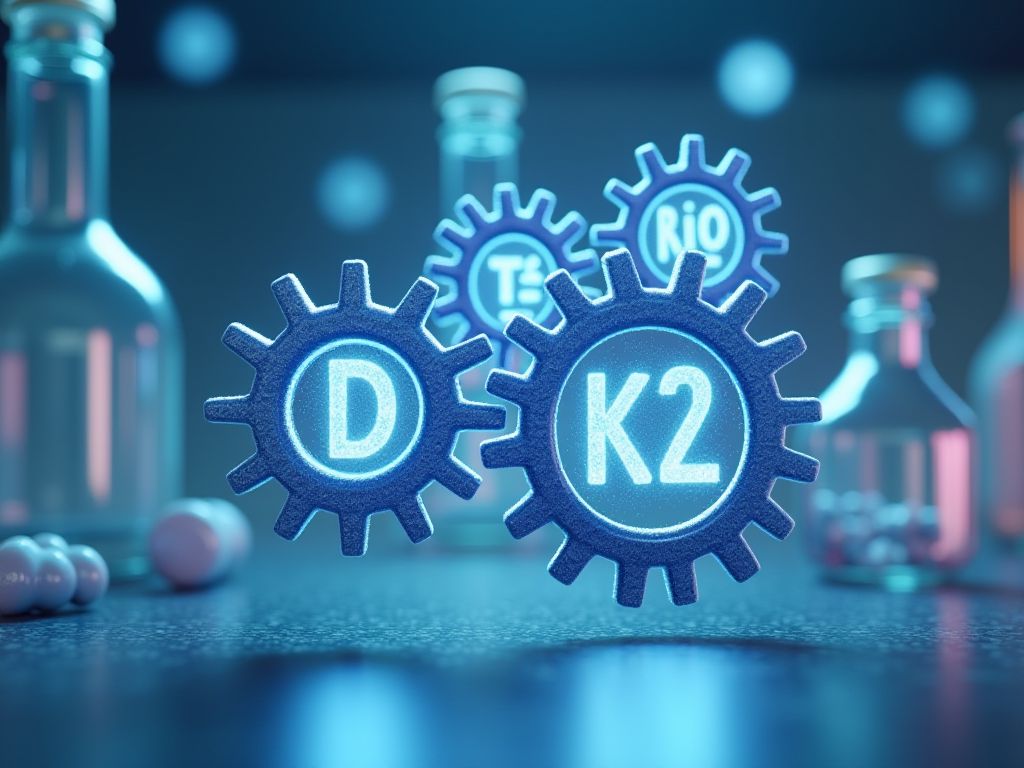
The D3/K2/Magnesium Trio: The Ultimate Protocol for Bone and Heart
Why These Three Nutrients Work Together
Your body is a masterpiece of biological synergy, and nowhere is this more evident than in the relationship between vitamin D3, vitamin K2, and magnesium. These three nutrients form a powerful alliance, each playing a unique yet interconnected role in maintaining strong bones and a resilient heart. Together, they’re not just a supplement stack—they’re a blueprint for long-term health. But how exactly do they work? Let’s dive into the science behind this trio.
The Psychology Behind Nutrient Balance
While it’s easy to think of bone and heart health as purely physical, the truth is deeply psychological. Chronic deficiencies in these nutrients can lead to fatigue, irritability, and even anxiety, all of which are linked to poor mineral status. For instance, low magnesium levels are associated with increased stress and sleep disturbances, while vitamin D deficiency has been tied to depression and cognitive decline. Understanding this connection can help you see nutrient balance not just as a physical necessity, but as a cornerstone of mental and emotional well-being.
The Roles of D3, K2, and Magnesium
Let’s break down what each nutrient does and why they’re essential:
- Vitamin D3: Often called the “sunshine vitamin,” D3 is crucial for calcium absorption. Without enough D3, your body can’t efficiently use calcium, leading to weakened bones and even cardiovascular issues.
- Vitamin K2: This lesser-known nutrient acts as a “calcium traffic cop.” It directs calcium to your bones and teeth while preventing it from depositing in your arteries, which can cause heart disease.
- Magnesium: A mineral involved in over 300 biochemical reactions in the body, magnesium supports muscle function, nerve signaling, and even heart rhythm. It also helps regulate blood pressure and inflammation.
Why This Trio Is a Game-Changer
When combined, these three nutrients create a cycle of support. D3 helps your body absorb calcium, K2 ensures it goes where it’s needed, and magnesium keeps your muscles and heart functioning smoothly. This synergy is particularly important for older adults, who are at higher risk for osteoporosis and heart disease. But the benefits extend to all ages—think of it as a daily insurance policy for your bones and heart.
How to Incorporate This Protocol
Adding D3, K2, and magnesium to your routine doesn’t have to be complicated. Here’s a simple approach:
- Supplementation: Choose a high-quality supplement that includes all three nutrients in balanced amounts. Look for D3 (cholecalciferol), K2 (menaquinone-7), and magnesium citrate or glycinate for optimal absorption.
- Diet: Boost your intake with foods like fatty fish (for D3), leafy greens (for K2), and nuts/seeds (for magnesium). Fermented foods like natto are also a rich source of K2.
- Sunlight: Spend 10–15 minutes in the sun daily to naturally boost D3 levels. This is especially important in the winter months.
If you’re looking for a reliable way to ensure you’re getting the right amounts of these nutrients, consider exploring tools that can help you track your intake and monitor your levels over time.
Recommended for your journey
We've handpicked this top-rated health tool to help you achieve the results discussed in this article.
Check Price on Amazon*As an Amazon Associate, CureCurious.com earns from qualifying purchases.
A Mindful Moment for Your Body
Take a moment to sit quietly and visualize your bones and heart. Imagine them strong, protected, and working in harmony. Now, breathe deeply—inhale for four counts, hold for two, and exhale slowly. As you do, picture the D3, K2, and magnesium you’re consuming as a shield of care for your body. This simple practice can help reinforce the intention behind your health choices.
By understanding the science behind this trio and taking intentional steps to support it, you’re not just building stronger bones and a healthier heart—you’re investing in a future of vitality and peace of mind.
Scientific References
- "Effect of combined administration of vitamin D3 and vitamin K2 on bone mineral density of the lumbar spine in postmenopausal women with osteoporosis." (2000) View Study →
- "Role of vitamins beyond vitamin D(3) in bone health and osteoporosis (Review)." (2024) View Study →



Written by Elena Rostova
Clinical Psychologist (M.S.)
"Elena specializes in cognitive behavioral therapy (CBT) and mindfulness-based stress reduction. She writes about mental clarity, emotional resilience, and sleep hygiene."