Turmeric Curcumin Without Medication
Published on December 12, 2025
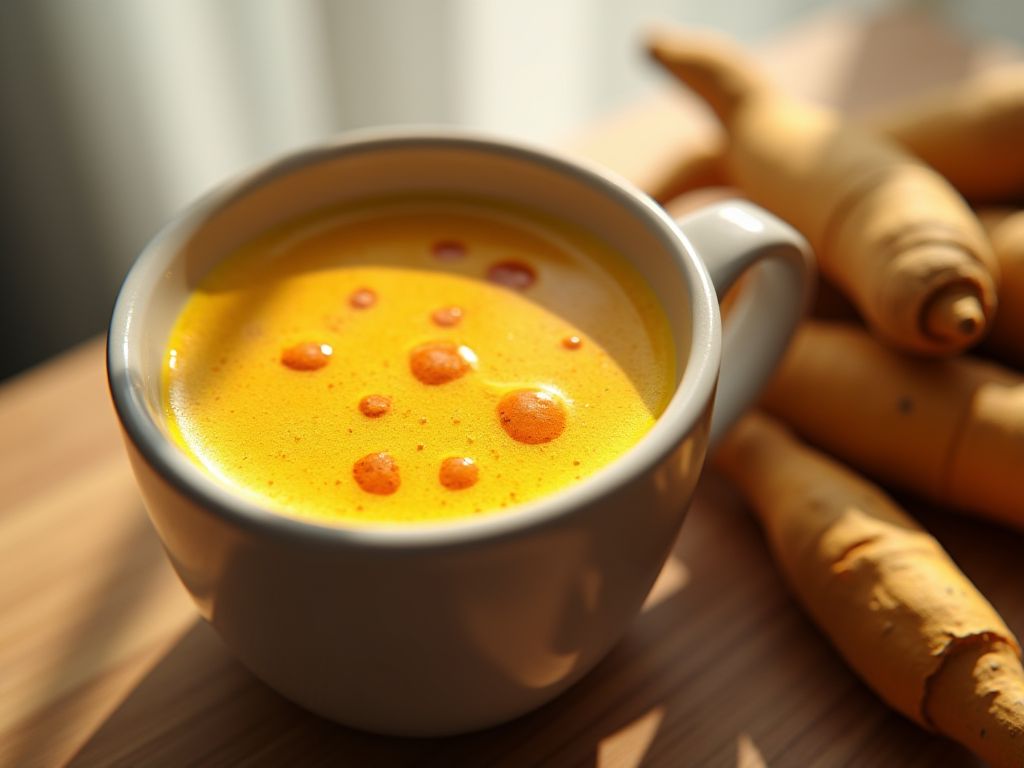
Unlocking the Power of Turmeric Curcumin: A Natural Path to Wellness
Turmeric, a golden-hued spice from the ginger family, has captivated the attention of scientists and health enthusiasts alike for centuries. At the heart of its remarkable properties lies curcumin, a bioactive compound that has been celebrated in traditional Ayurvedic medicine and is now supported by modern research. While curcumin is often marketed as a supplement, its potential benefits can be harnessed naturally through diet and lifestyle. This article explores the science behind curcumin, its health benefits, and how to incorporate it into daily life without relying on medication.
1. What is Curcumin and Where Does It Come From?
Curcumin is a polyphenolic compound found in the rhizomes of the Curcuma longa plant, commonly known as turmeric. It is responsible for the spice’s vibrant color and is one of the most studied compounds in the plant kingdom. While turmeric contains other bioactive compounds, curcumin is the most well-known for its anti-inflammatory, antioxidant, and potential therapeutic properties.
Partner Content


2. A Historical Perspective: Turmeric in Traditional Medicine
For over 2,500 years, turmeric has been used in Ayurveda and traditional Chinese medicine to treat a variety of ailments, from digestive issues to skin conditions. Ancient texts describe its use as a natural remedy for inflammation, wounds, and even as a preservative. Modern science is now uncovering the mechanisms behind these traditional claims.
3. The Science Behind Curcumin’s Health Benefits
Research has shown that curcumin interacts with multiple molecular pathways in the body, offering a range of potential health benefits. These include:
- Anti-inflammatory effects: Curcumin inhibits pro-inflammatory molecules like COX-2 and NF-κB, which are linked to chronic diseases.
- Antioxidant activity: It neutralizes free radicals and boosts the body’s antioxidant enzymes, such as superoxide dismutase and glutathione peroxidase.
- Brain health: Some studies suggest curcumin may support cognitive function and reduce the risk of neurodegenerative diseases.
4. Curcumin and Chronic Disease: What Does the Evidence Say?
Emerging research explores curcumin’s potential in managing conditions like arthritis, metabolic syndrome, and even certain cancers. For example, a 2020 review in Pharmacological Research highlighted curcumin’s role in reducing inflammation and oxidative stress in patients with osteoarthritis. However, more large-scale clinical trials are needed to confirm its efficacy in humans.
5. The Bioavailability Challenge: How to Maximize Curcumin Absorption
One of the biggest challenges with curcumin is its poor bioavailability. When consumed alone, most of it is excreted before it can be absorbed. To enhance absorption:
- Pair it with black pepper (which contains piperine, a compound that boosts absorption by up to 2000%).
- Consume it with healthy fats (like olive oil or avocado) to improve solubility.
- Take it with spicy or acidic foods to stimulate digestion.
6. Natural Sources of Curcumin: Beyond Supplements
While curcumin supplements are popular, the best way to incorporate it into your diet is through whole foods. Fresh turmeric root, turmeric powder, and golden paste (a mixture of turmeric, oil, and black pepper) are excellent options. Cooking with turmeric in dishes like soups, stews, and rice can also boost intake.
7. Integrating Turmeric into Daily Life
Adding turmeric to your diet doesn’t have to be complicated. Here are some simple ideas:
- Make a golden milk by blending turmeric, almond milk, and a pinch of black pepper.
- Use turmeric in smoothies with banana, spinach, and peanut butter.
- Include it in salads or roasted vegetables for a nutritional boost.
8. Safety and Side Effects: What You Need to Know
Curcumin is generally considered safe for most people when consumed in moderate amounts through food. However, high doses or prolonged use may cause gastrointestinal discomfort, such as nausea or diarrhea. Individuals with gallbladder issues, pregnant women, or those on blood-thinning medications should consult a healthcare provider before increasing their intake.
9. Curcumin and Mental Health: A Growing Area of Interest
Early studies suggest that curcumin may support mental health by increasing brain-derived neurotrophic factor (BDNF), a protein linked to mood regulation and neuroplasticity. Some research indicates it may help reduce symptoms of depression and anxiety, though more studies are needed to confirm these effects in humans.
10. The Future of Curcumin: Research and Innovation
Scientists are exploring ways to enhance curcumin’s bioavailability through nanotechnology, liposomal delivery systems, and combination therapies. These innovations may make curcumin more effective for treating chronic diseases without the need for synthetic drugs.
FAQ: Common Questions About Turmeric Curcumin
Q: How much curcumin should I consume daily?
A: The recommended daily intake from food is around 1–3 grams of turmeric powder (which contains about 3–5% curcumin). For supplements, 500–2000 mg of curcumin per day is commonly used, but always follow product guidelines.
Q: Can curcumin replace medication for chronic conditions?
A: No. While curcumin shows promise, it should not replace prescribed medications. Always consult a healthcare provider before making changes to your treatment plan.
Q: Are there any interactions with medications?
A: Curcumin may interact with blood thinners, diabetes medications, and drugs metabolized by the liver. Consult a healthcare provider if you are on any medications.
Q: How long does it take for curcumin to work?
A: Effects can vary, but some studies suggest benefits may be noticeable within 4–8 weeks of regular use. Consistency is key.
Conclusion: Embracing Turmeric for a Healthier Life
Turmeric curcumin offers a natural, science-backed approach to supporting health and wellness. By incorporating it into your diet through whole foods and mindful preparation, you can harness its anti-inflammatory and antioxidant properties without relying on medication. While research continues to uncover its full potential, the golden spice remains a powerful ally in the pursuit of holistic well-being. Always remember to consult with a healthcare professional to ensure it aligns with your individual health needs.
Scientific References & Medical Evidence
- "A Review on Autism Spectrum Disorder: Pathogenesis, Biomarkers, Pharmacological and Non-Pharmacological Interventions." (2023) View study on PubMed.gov →
- "Managing strategies of chemotherapy and radiotherapy-induced oral mucositis." (2025) View study on PubMed.gov →
CureCurious verifies facts through peer-reviewed research.
You might also like


Recommended for your journey
We've handpicked this top-rated health tool to help you achieve the results discussed in this article.
Check Price on Amazon*As an Amazon Associate, CureCurious.com earns from qualifying purchases. This helps us keep our research free for everyone.

Written by Dr. Sarah Mitchell
Nutrition Expert & MD
"Dr. Sarah Mitchell is a board-certified nutritionist with over 15 years of experience in clinical dietetics. She specializes in metabolic health and gut microbiome research."