Ultimate Arterial Health Safety Considerations
Published on December 14, 2025
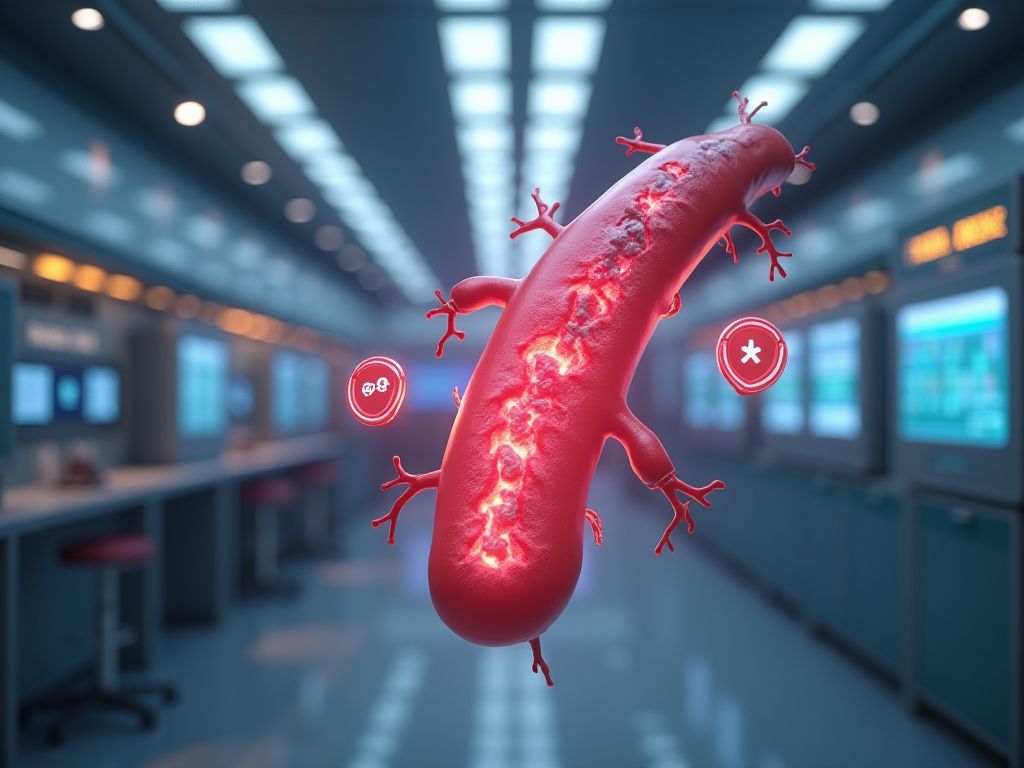
Ultimate Arterial Health Safety Considerations: A Comprehensive Guide
Arterial health is the cornerstone of cardiovascular well-being, influencing everything from blood pressure regulation to oxygen delivery to organs. Poor arterial function can lead to life-threatening conditions such as atherosclerosis, hypertension, and stroke. This article explores science-backed strategies to safeguard your arteries, ensuring long-term health and vitality.
1. Understanding Arterial Structure and Function
Arteries are elastic, muscular tubes that transport oxygen-rich blood from the heart to tissues. Their inner lining, the endothelium, regulates blood flow and inflammation. Damage to this layer can trigger plaque buildup, narrowing arteries and increasing risk of heart disease. Regular monitoring of arterial health is essential, especially as we age.
2. Key Risk Factors for Arterial Damage
Identify and manage modifiable risk factors:
- High cholesterol: LDL ("bad" cholesterol) contributes to plaque formation.
- Smoking: Nicotine and toxins damage endothelial cells and reduce nitric oxide production.
- Hypertension: Prolonged high blood pressure strains arterial walls.
- Diabetes: High blood sugar promotes oxidative stress and inflammation.
3. Nutrition: The Foundation of Arterial Health
A diet rich in anti-inflammatory and antioxidant foods supports arterial function:
- Omega-3 fatty acids: Found in fatty fish, flaxseeds, and walnuts, they reduce inflammation and triglycerides.
- Fiber: Soluble fiber (oats, legumes) lowers LDL cholesterol.
- Antioxidants: Berries, dark chocolate, and leafy greens combat oxidative stress.
- Plant-based diets: Studies show vegetarian and Mediterranean diets improve endothelial function.
4. Exercise: The Arterial Workout
Regular physical activity enhances arterial elasticity and blood flow:
- Aerobic exercise: 150 minutes/week of walking, cycling, or swimming improves nitric oxide production.
- Strength training: Builds muscle, which helps regulate blood pressure.
- High-intensity interval training (HIIT): Boosts arterial compliance and reduces oxidative stress.
5. Stress Management and Arterial Health
Chronic stress elevates cortisol, which contributes to hypertension and endothelial dysfunction. Techniques like:
- Meditation: Reduces inflammation and improves vascular function.
- Yoga: Combines physical movement with stress relief.
- Deep breathing: Activates the parasympathetic nervous system, lowering heart rate and blood pressure.
6. Sleep: The Overlooked Arterial Guardian
Chronic sleep deprivation disrupts metabolic and cardiovascular health:
- 7–9 hours/night: Optimal for endothelial repair and hormone balance.
- Sleep apnea: Linked to arterial stiffness and hypertension; seek treatment if diagnosed.
- Consistent routines: Regular sleep/wake cycles regulate circadian rhythms that influence arterial health.
7. Hydration and Arterial Function
Proper hydration maintains blood viscosity and arterial flexibility:
- Water intake: Aim for 2.5–3.5 liters/day, adjusting for activity and climate.
- Electrolyte balance: Sodium-potassium ratios affect blood pressure and vascular tone.
- Dehydration risks: Even mild dehydration can increase arterial stiffness and heart strain.
8. Regular Medical Check-Ups: Early Detection is Key
Annual screenings can identify arterial issues before symptoms arise:
- Blood tests: Monitor cholesterol, glucose, and inflammatory markers (e.g., CRP).
- Arterial stiffness tests: Pulse wave velocity (PWV) measures vascular elasticity.
- Imaging: Ultrasound or CT angiography detects blockages in high-risk individuals.
9. Avoiding Toxins: Protecting Arteries from Harm
Limit exposure to substances that damage arteries:
- Alcohol: Excessive consumption raises blood pressure and triglycerides.
- Environmental pollutants: Air pollution and heavy metals increase oxidative stress.
- Excess sugar: High fructose intake promotes insulin resistance and arterial inflammation.
10. Medications and Supplements: When to Use Them
Under medical guidance, certain interventions may be necessary:
- Statins: Lower LDL cholesterol in high-risk individuals.
- ACE inhibitors: Reduce arterial pressure and improve endothelial function.
- Supplements: Vitamin D, CoQ10, and omega-3s may support vascular health in some cases.
Frequently Asked Questions (FAQ)
Q: How often should I get my arteries checked? A: Adults over 40 should have annual screenings, especially with risk factors like family history or hypertension.
Q: Can supplements alone improve arterial health? A: Supplements may help but are not a substitute for lifestyle changes. Always combine with diet and exercise.
Q: What are the signs of arterial damage? A: Symptoms include chest pain, shortness of breath, leg cramps during activity, and sudden numbness (stroke symptoms).
Q: Is arterial health reversible? A: Yes, with lifestyle modifications. Early intervention can restore endothelial function and reduce plaque buildup.
Conclusion: Take Charge of Your Arterial Health
Arterial health is a lifelong commitment, requiring vigilance in diet, exercise, and medical care. By adopting these science-backed strategies, you can significantly reduce the risk of cardiovascular disease and enjoy a healthier, more vibrant life. Remember: small, consistent changes today can prevent major health crises tomorrow. Prioritize your arteries—they are the lifelines of your body.
Scientific References & Medical Evidence
- "Cardiovascular Disease in Women: Clinical Perspectives." (2016) View study on PubMed.gov →
- "The Coronary Artery Risk Development In Young Adults (CARDIA) Study: JACC Focus Seminar 8/8." (2021) View study on PubMed.gov →
CureCurious verifies facts through peer-reviewed research.
Recommended for your journey
We've handpicked this top-rated health tool to help you achieve the results discussed in this article.
Check Price on Amazon*As an Amazon Associate, CureCurious.com earns from qualifying purchases. This helps us keep our research free for everyone.

Written by Dr. Sarah Mitchell
Nutrition Expert & MD
"Dr. Sarah Mitchell is a board-certified nutritionist with over 15 years of experience in clinical dietetics. She specializes in metabolic health and gut microbiome research."