Why Mental Health Decline From Smoking And Binge Drinking Is More Dangerous Than Most People Think
Published on December 15, 2025
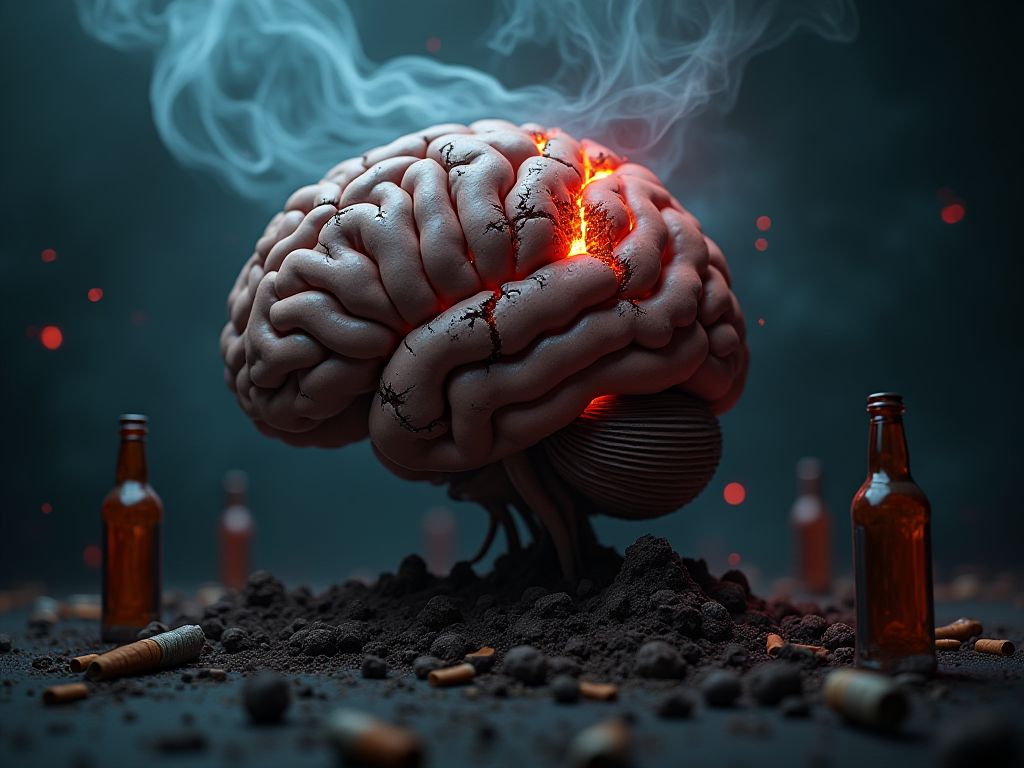
Why Mental Health Decline from Smoking and Binge Drinking Is More Dangerous Than You Think
Smoking and binge drinking are often viewed through the lens of physical health risks—lung cancer, liver disease, and heart problems come to mind. However, the mental health consequences of these habits are far more insidious and underappreciated. Recent research reveals that the decline in mental well-being caused by smoking and excessive alcohol consumption is not just a side effect but a major driver of long-term psychological distress, social dysfunction, and even early mortality. This article explores why these behaviors are more dangerous than most people realize, backed by scientific evidence and real-world data.
1. Neurochemical Disruption: The Brain’s Silent Crisis
Smoking and binge drinking wreak havoc on the brain’s chemistry. Nicotine and alcohol interfere with neurotransmitter systems, particularly dopamine and serotonin, which regulate mood, motivation, and emotional stability. Over time, this leads to a neurochemical imbalance that can exacerbate conditions like depression, anxiety, and even psychosis. Studies show that smokers are twice as likely to develop major depressive disorder compared to non-smokers, while binge drinking increases the risk of anxiety disorders by 40%.
2. The Link Between Smoking and Depression: A Two-Way Street
Smoking and depression are not just correlated—they are intertwined in a vicious cycle. Smoking initially provides a temporary mood boost by increasing dopamine levels, but this effect diminishes over time, leading to dependency. Meanwhile, individuals with depression are four times more likely to smoke, often using it as a self-medication strategy. This bidirectional relationship means that quitting smoking can reduce depressive symptoms, but the process itself is fraught with challenges that worsen mental health.
3. Binge Drinking and Cognitive Decline: The Hidden Cost
Excessive alcohol consumption damages the brain’s white matter, which is critical for cognitive function and emotional regulation. Binge drinking—defined as consuming enough alcohol to raise blood alcohol levels to 0.08% or higher—has been linked to memory loss, impaired decision-making, and increased risk of dementia later in life. The damage is particularly severe for adolescents, whose brains are still developing.
4. Social Isolation and Mental Health: The Ripple Effect
Smoking and binge drinking often lead to social isolation. Smokers are more likely to face stigma, while heavy drinkers may experience relationship breakdowns and job loss. Social withdrawal exacerbates mental health issues, creating a feedback loop where loneliness and depression become self-perpetuating. A 2023 study found that individuals who smoke or binge drink are 50% more likely to report feelings of loneliness and hopelessness.
5. The Role of Stress and Coping Mechanisms
Smoking and binge drinking are often used as coping mechanisms for stress, but they ultimately worsen stress responses. Chronic stress from these habits can lead to increased cortisol levels, which impair memory, reduce immune function, and heighten anxiety. This creates a paradox: the very behaviors meant to relieve stress become sources of additional strain.
6. Mental Health Decline in Adolescents: A Growing Crisis
Adolescents are particularly vulnerable to the mental health effects of smoking and binge drinking. The developing brain is more susceptible to the neurotoxic effects of nicotine and alcohol, leading to long-term cognitive deficits and increased risk of mental disorders. Early substance use is also a strong predictor of lifelong mental health challenges, including bipolar disorder and schizophrenia.
7. The Impact on Sleep and Mental Health
Both smoking and binge drinking disrupt sleep patterns. Nicotine is a stimulant that interferes with sleep quality, while alcohol initially induces drowsiness but disrupts the REM stage of sleep, which is crucial for emotional processing. Poor sleep exacerbates mental health issues, creating a cycle of insomnia and depression that is difficult to break.
8. Comorbidity with Other Mental Illnesses
Smoking and binge drinking are strongly associated with comorbid mental illnesses. For example, individuals with bipolar disorder are three times more likely to smoke, and those with post-traumatic stress disorder (PTSD) are more prone to binge drinking. These habits can worsen symptoms, reduce treatment efficacy, and increase the risk of relapse.
9. The Genetic and Epigenetic Factors at Play
Genetic predispositions and epigenetic changes (modifications to gene expression) can make some individuals more susceptible to the mental health effects of smoking and alcohol. For instance, variations in genes that regulate dopamine receptors may increase the likelihood of nicotine addiction and depression. These genetic factors can also be passed to offspring, creating a multigenerational risk.
10. The Long-Term Cost: A Lifetime of Mental Health Struggles
The cumulative effect of smoking and binge drinking over a lifetime can be devastating. Chronic use increases the risk of developing chronic mental health conditions such as persistent depression, generalized anxiety disorder, and even personality disorders. These conditions often require long-term treatment and significantly impact quality of life, relationships, and work performance.
Frequently Asked Questions (FAQ)
- Can quitting smoking or reducing alcohol consumption reverse mental health damage?
While quitting can improve mental health over time, some damage—particularly to brain structure and function—may be irreversible. Early intervention significantly reduces long-term risks. - Is there a safe level of alcohol consumption for mental health?
No. Even moderate drinking can increase the risk of depression and anxiety. The safest approach is to avoid binge drinking entirely. - How do smoking and binge drinking affect mental health in different age groups?
Adolescents face greater cognitive and emotional risks, while older adults are more vulnerable to conditions like dementia and depression. The effects are lifelong but vary by stage of life. - Are there effective treatments for mental health issues caused by these habits?
Yes. Cognitive behavioral therapy, support groups, and medications can help. Quitting smoking and reducing alcohol use are critical first steps. - Can mental health decline from these habits be prevented?
Prevention starts with education, early intervention, and building healthy coping mechanisms. Addressing stress and seeking help when needed are key.
Conclusion: A Call to Action for Better Mental Health
The mental health decline caused by smoking and binge drinking is not just a personal issue—it’s a public health crisis. The evidence is clear: these habits are not just harmful to the body but to the mind, relationships, and overall quality of life. Breaking the cycle requires awareness, support, and access to resources. Whether you’re struggling with these habits or know someone who is, understanding the full scope of the danger is the first step toward healing. Prioritizing mental health is not a luxury—it’s a necessity for a fulfilling, healthy life.
Scientific References & Medical Evidence
- "Smoking, Binge Drinking, and Drug Use Among Childhood Cancer Survivors: A Meta-Analysis." (2016) View study on PubMed.gov →
- "Smoking and binge-drinking among adolescents, Ontario, Canada: Does the school neighbourhood matter?" (2017) View study on PubMed.gov →
CureCurious verifies facts through peer-reviewed research.
You might also like


Recommended for your journey
We've handpicked this top-rated health tool to help you achieve the results discussed in this article.
Check Price on Amazon*As an Amazon Associate, CureCurious.com earns from qualifying purchases. This helps us keep our research free for everyone.

Written by Dr. Sarah Mitchell
Nutrition Expert & MD
"Dr. Sarah Mitchell is a board-certified nutritionist with over 15 years of experience in clinical dietetics. She specializes in metabolic health and gut microbiome research."