Yoga For Flexibility For Women
Published on December 14, 2025
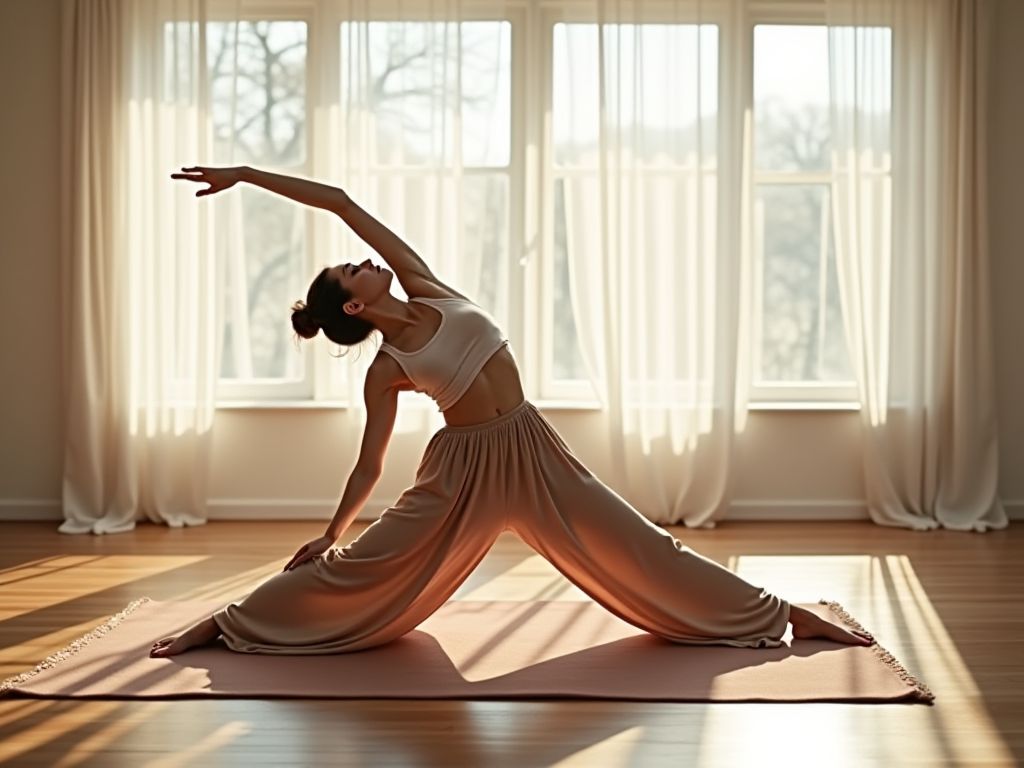
Unlocking Flexibility: A Comprehensive Guide to Yoga for Women
Flexibility is more than just a physical trait—it’s a gateway to vitality, resilience, and confidence. For women, who often juggle multiple roles and face unique challenges like hormonal fluctuations and postural strain, yoga offers a transformative path to unlocking mobility. This article explores how yoga can enhance flexibility, why it’s particularly beneficial for women, and how to create a sustainable practice that supports long-term wellness.
1. The Science of Flexibility and Why It Matters for Women
Flexibility refers to the range of motion in your joints and muscles. As women age, factors like hormonal changes (e.g., estrogen fluctuations during menopause), pregnancy, and sedentary lifestyles can reduce joint mobility and muscle elasticity. Yoga combats these challenges by promoting collagen production, improving joint lubrication, and increasing blood flow to muscles. Studies show that regular yoga practice can enhance flexibility by up to 30% within 12 weeks, making it a powerful tool for maintaining physical comfort and preventing injuries.
2. How Yoga Specifically Benefits Women’s Bodies
Yoga’s holistic approach aligns with the unique needs of women’s physiology. For example:
- Hip and Pelvic Mobility: Poses like Pigeon and Dragon fly help alleviate tension from childbirth, menstrual cycles, or prolonged sitting.
- Spinal Health: Cat-Cow and Child’s Pose counteract the forward head posture common during pregnancy and menopause.
- Hormonal Balance: Restorative poses like Legs-Up-the-Wall reduce cortisol levels, easing stress and menstrual discomfort.
3. Choosing the Right Yoga Style for Flexibility
Not all yoga styles are created equal for flexibility. Consider these options:
- Hatha Yoga: Focuses on foundational poses, ideal for beginners.
- Vinyasa Yoga: Combines flowing sequences with dynamic stretching for advanced flexibility.
- Yin Yoga: Holds poses for 3–5 minutes to target deep connective tissues.
4. Key Poses to Enhance Flexibility
Incorporate these poses into your routine for targeted improvement:
- Forward Fold (Uttanasana): Stretches hamstrings and relieves lower back tension.
- Downward Dog (Adho Mukha Svanasana): Opens shoulders, hamstrings, and calves.
- Seated Forward Bend (Paschimottanasana): Lengthens the spine and improves posture.
5. The Role of Breath in Flexibility
Deep, mindful breathing during yoga increases oxygen flow to muscles, reducing stiffness. Techniques like Ujjayi breath (ocean-sounding breath) and Pranayama (breath control) enhance relaxation, allowing muscles to release tension more effectively. Practice inhaling to lengthen and exhaling to deepen poses.
6. Creating a Consistent Practice
Consistency trumps intensity. Aim for 2–3 sessions per week, even if each session is 15 minutes. Use apps like Down Dog or Yoga With Adriene for guided routines. Track progress with a journal to stay motivated.
7. Combining Yoga with Strength Training
Flexibility without strength can lead to joint instability. Pair yoga with resistance training (e.g., weights, resistance bands) to build muscle balance. For example, follow a yoga session with squats or planks to reinforce joint stability.
8. Safety Tips for Women Practicing Yoga
Listen to your body: Avoid pushing into pain, especially in the hips, knees, or lower back. Use props like blocks or straps to modify poses. If you have a history of injury or pregnancy, consult a healthcare provider before starting a new practice.
9. The Mind-Body Connection: How Yoga Builds Confidence
Flexibility isn’t just physical—it’s emotional. As you become more comfortable in your body, you’ll likely notice increased self-esteem and reduced anxiety. Yoga fosters mindfulness, helping you navigate life’s challenges with grace and resilience.
10. Long-Term Benefits Beyond Flexibility
Regular yoga practice improves posture, reduces chronic pain, and supports mental clarity. For women, it can also ease symptoms of menopause, enhance sleep quality, and promote a sense of community through group classes.
Frequently Asked Questions
Q1: How long does it take to see improvements in flexibility?
A: Most people notice increased range of motion within 4–6 weeks with consistent practice, though results vary based on starting fitness and dedication.
Q2: Is yoga safe during pregnancy?
A: Yes, but only under the guidance of a prenatal yoga instructor. Avoid poses that involve lying flat on the back or deep twists after the first trimester.
Q3: Can I practice yoga if I have joint pain?
A: Absolutely. Modify poses with props and focus on gentle, low-impact styles like Yin or Restorative Yoga to protect joints.
Q4: What if I can’t touch my toes?
A: Flexibility is a journey, not a destination. Use props, practice regularly, and celebrate small progress. Over time, your body will adapt.
Conclusion: Embrace Flexibility, Embrace Life
Yoga is more than a workout—it’s a lifestyle that empowers women to move with ease, feel stronger, and embrace their full potential. By integrating yoga into daily life, you’ll unlock not just flexibility, but a deeper connection to your body and mind. Start today, and let each pose be a step toward a more vibrant, resilient you.
Scientific References & Medical Evidence
- "Yoga and Bone Health." (2021) View study on PubMed.gov →
- "Physical activity and exercise for chronic pain in adults: an overview of Cochrane Reviews." (2017) View study on PubMed.gov →
CureCurious verifies facts through peer-reviewed research.
You might also like


Recommended for your journey
We've handpicked this top-rated health tool to help you achieve the results discussed in this article.
Check Price on Amazon*As an Amazon Associate, CureCurious.com earns from qualifying purchases. This helps us keep our research free for everyone.

Written by Mark Davies
Certified Fitness Coach
"Mark is a certified strength and conditioning specialist (CSCS). He helps people build sustainable fitness habits and recover from sports injuries."