Yoga For Flexibility Results For Men
Published on December 13, 2025
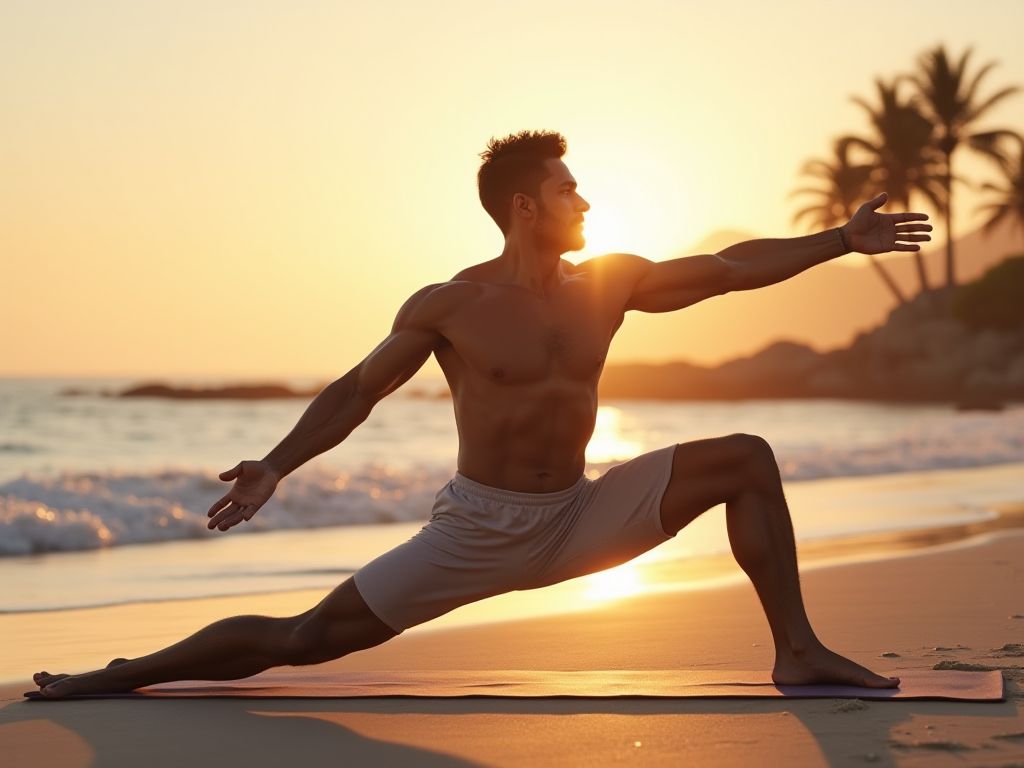
Yoga for Flexibility Results: A Comprehensive Guide for Men
Flexibility is a cornerstone of physical health, yet it’s often overlooked in fitness routines, especially among men who prioritize strength training or high-intensity workouts. Yoga, however, offers a unique blend of stretching, balance, and breathwork that can dramatically improve flexibility—without compromising muscle strength. This article explores how yoga can deliver measurable flexibility results for men, backed by science, and provides actionable strategies for success.
1. Why Yoga is Effective for Men’s Flexibility
Yoga targets muscle groups often neglected in traditional workouts, such as the hips, hamstrings, and shoulders. Unlike static stretching, yoga uses dynamic movements and holds to increase range of motion gradually. A 2021 study published in the Journal of Physical Therapy Science found that men who practiced yoga regularly saw significant improvements in flexibility compared to those who relied solely on weight training.
Partner Content


2. The Science Behind Yoga and Flexibility
Flexibility is determined by the length of muscles and the elasticity of connective tissues. Yoga stimulates the production of collagen and reduces muscle stiffness through sustained poses. Research from Harvard T.H. Chan School of Public Health highlights that yoga’s combination of stretching and mindfulness enhances neural adaptation, allowing the body to move more freely over time.
3. Key Yoga Poses for Men’s Flexibility
- Pigeon Pose (Eka Pada Rajakapotasana): Targets hip flexors and external rotators, crucial for activities like running and cycling.
- Downward Dog (Adho Mukha Svanasana): Stretches hamstrings, calves, and shoulders while building upper body strength.
- Child’s Pose (Balasana): Releases tension in the lower back and hips, ideal for post-workout recovery.
- Triangle Pose (Trikonasana): Enhances spinal flexibility and improves posture.
4. How Often Should Men Practice Yoga for Flexibility?
Consistency is key. Aim for 3–5 sessions per week, with each session lasting 20–30 minutes. A 2019 meta-analysis in Frontiers in Psychology found that even 15 minutes of daily yoga can yield noticeable flexibility gains in as little as 4 weeks.
5. Combining Yoga with Strength Training
Yoga complements strength training by improving joint mobility, reducing injury risk, and enhancing muscle activation. For example, a strong core from weightlifting can make poses like Boat Pose (Navasana) easier, while yoga’s flexibility can prevent overuse injuries in the gym.
6. Overcoming Common Barriers
Men may hesitate to try yoga due to stereotypes or lack of time. To overcome this:
- Start with short, focused sessions (e.g., 10 minutes of stretching).
- Use online classes or apps for convenience.
- Practice with a male friend or in a men’s-only group to build comfort.
7. The Role of Breathwork in Flexibility
Pranayama (breath control) in yoga increases oxygen flow to muscles, reducing tension and improving range of motion. Techniques like Ujjayi breathing during poses help men stay relaxed and focused, allowing deeper stretches.
8. Tracking Progress: Metrics for Men
Use measurable benchmarks:
- Track how far you can reach in Forward Fold (Uttanasana) over weeks.
- Measure shoulder flexibility with a tape measure during Shoulder Stretch (Gomukhasana).
- Record improvements in posture using a smartphone camera.
9. Mental Health Benefits That Boost Flexibility
Yoga reduces stress hormones like cortisol, which can tighten muscles. A 2020 study in Psychoneuroendocrinology found that men who practiced yoga reported lower stress levels and greater ease in physical activities, indirectly enhancing flexibility.
10. Long-Term Flexibility: Sustainability Tips
Flexibility is a lifelong goal. To maintain results:
- Incorporate yoga into your weekly routine as a non-negotiable habit.
- Vary poses to avoid plateaus.
- Use props like blocks or straps to deepen stretches safely.
Frequently Asked Questions
Q: Can men achieve flexibility results without becoming “flexible” in a feminine way?
A: Absolutely. Yoga builds functional flexibility that enhances athletic performance and daily activities, without altering your masculinity.
Q: How long does it take to see results?
A: Most men notice improvements in 4–6 weeks with consistent practice. Significant gains may take 3–6 months.
Q: Do I need a yoga mat?
A: Yes, a mat provides cushioning and stability. Many men use thick mats or folded towels for comfort.
Conclusion
Yoga is a powerful tool for men seeking flexibility results, offering science-backed benefits that extend beyond physical gains. By integrating yoga into your routine, you’ll not only improve your range of motion but also enhance your overall health, resilience, and confidence. Remember, flexibility is a journey—commit to it, and the rewards will follow.
Scientific References & Medical Evidence
- "Interventions shown to aid executive function development in children 4 to 12 years old." (2011) View study on PubMed.gov →
- "Effect of Yoga on Motor Skills and Self-Esteem in Kindergarten Children: A Randomized Controlled Trial." (2022) View study on PubMed.gov →
CureCurious verifies facts through peer-reviewed research.
You might also like


Recommended for your journey
We've handpicked this top-rated health tool to help you achieve the results discussed in this article.
Check Price on Amazon*As an Amazon Associate, CureCurious.com earns from qualifying purchases. This helps us keep our research free for everyone.

Written by Mark Davies
Certified Fitness Coach
"Mark is a certified strength and conditioning specialist (CSCS). He helps people build sustainable fitness habits and recover from sports injuries."