Yoga For Flexibility Without Expensive Treatments
Published on December 12, 2025
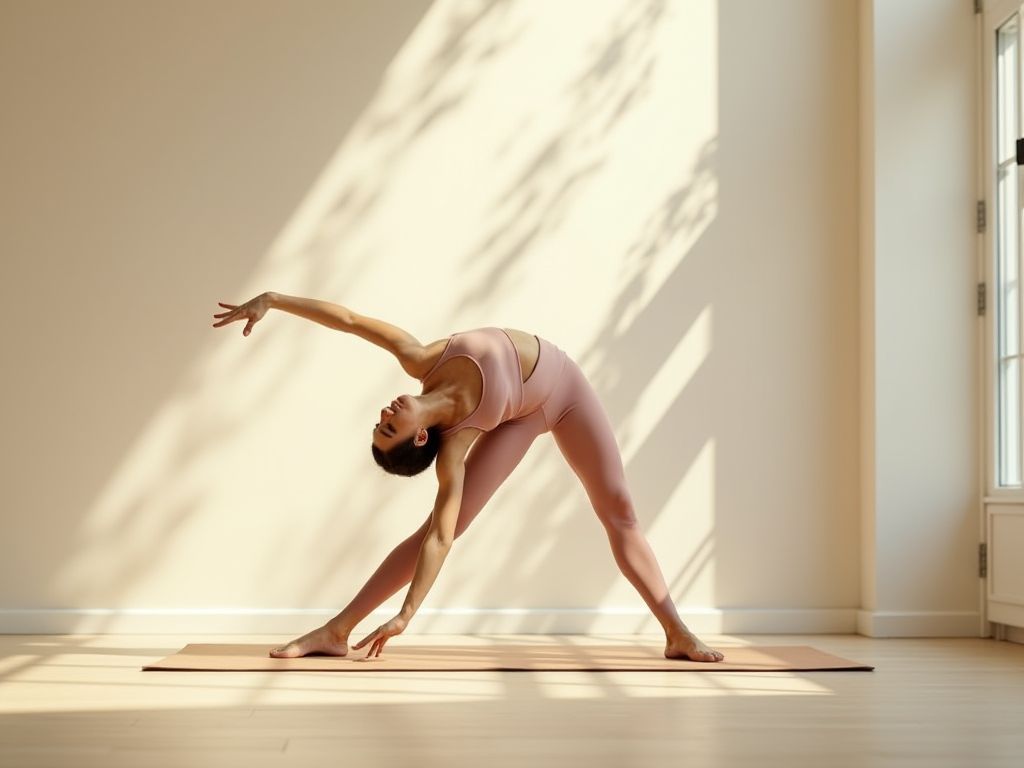
Yoga for Flexibility: A Cost-Effective Path to Mobility and Wellness
Flexibility is a cornerstone of physical health, yet many people struggle with stiffness, tightness, or limited range of motion. Traditional treatments like physical therapy or expensive fitness programs often come with high costs and time commitments. Fortunately, yoga offers a science-backed, accessible alternative to improve flexibility without breaking the bank. This article explores how yoga can enhance mobility, the science behind its effectiveness, and practical tips for beginners.
1. The Science of Yoga and Flexibility
Yoga improves flexibility by combining controlled stretching with mindful breathing. Studies show that regular practice increases muscle elasticity and joint range of motion by stimulating the production of collagen and reducing muscle tension. Unlike passive stretching, yoga emphasizes gradual progression, which minimizes the risk of injury while promoting long-term gains.
2. Why Yoga Outperforms Expensive Treatments
Many flexibility treatments, such as massage therapy or specialized clinics, require regular sessions and can cost hundreds of dollars per month. Yoga, on the other hand, requires only a mat and a willingness to practice. It also addresses the root causes of stiffness, such as poor posture or sedentary habits, rather than just treating symptoms.
3. Types of Yoga for Flexibility
Not all yoga styles are created equal when it comes to flexibility. Styles like Hatha, Yin, and Restorative yoga focus on slow, sustained stretches that target deep connective tissues. For beginners, Hatha is ideal, while Yin yoga is excellent for improving flexibility in the hips, hamstrings, and spine.
4. How Often Should You Practice?
Consistency is key. Aim for 2–3 sessions per week, each lasting 20–30 minutes. Even short, regular practice can lead to significant improvements in flexibility over time. Pairing yoga with daily movement, like walking or light strength training, amplifies results.
5. Common Misconceptions About Yoga and Flexibility
Many people believe you need to be “bendy” to start yoga. In reality, yoga is for all body types and abilities. Flexibility improves gradually, and the focus should be on comfort rather than competition. Avoid pushing into pain, as this can lead to injury.
6. Essential Poses for Increasing Flexibility
Here are a few beginner-friendly yoga poses that target major muscle groups:
- Child’s Pose (Balasana):** Stretches the back, hips, and thighs.
- Downward Dog (Adho Mukha Svanasana):** Stretches the hamstrings, calves, and shoulders.
- Seated Forward Bend (Paschimottanasana):** Lengthens the spine and hamstrings.
- Pigeon Pose (Eka Pada Rajakapotasana):** Opens the hips and glutes.
- Downward Dog (Adho Mukha Svanasana):** Stretches the hamstrings, calves, and shoulders.
7. The Role of Breath in Flexibility
Proper breathing during yoga enhances relaxation and increases oxygen flow to muscles, making stretches more effective. Inhale to prepare for a stretch, and exhale to deepen it. This technique helps release tension and improves overall mobility.
8. Safety Tips for Beginners
Start with modifications and use props like blocks or straps to avoid overexertion. Listen to your body: if a pose causes pain, stop immediately. Consulting a qualified instructor can help ensure correct alignment and prevent injuries.
9. Combining Yoga with Other Practices
Yoga works best when paired with other healthy habits. For example:
- **Hydration:** Drinking water helps maintain muscle elasticity.
- **Nutrition:** A diet rich in anti-inflammatory foods (like leafy greens and omega-3s) supports joint health.
- **Sleep:** Quality rest allows muscles to repair and recover.
10. Long-Term Benefits of Yoga for Flexibility
Beyond improved mobility, yoga fosters mental resilience, reduces stress, and enhances posture. Over time, increased flexibility can lower the risk of injuries, improve balance, and even alleviate chronic pain conditions like arthritis or lower back pain.
Frequently Asked Questions
Q: Can yoga replace physical therapy for flexibility issues?
A: While yoga can significantly improve flexibility, it’s not a substitute for medical treatment in cases of injury or severe mobility limitations. Always consult a healthcare provider before starting a new practice.
Q: How long does it take to see results?
A: Most people notice improvements in flexibility within 4–6 weeks of consistent practice. Results vary based on starting flexibility, frequency of practice, and overall health.
Q: Do I need a teacher to practice yoga at home?
A: While a teacher can provide guidance, many beginners start with online tutorials or apps. Use caution with videos and prioritize proper form over intensity.
Q: Can yoga help with joint pain?
A: Yes. Gentle yoga poses can reduce joint stiffness and improve circulation, which may alleviate pain from conditions like osteoarthritis.
Q: Is yoga suitable for older adults?
A: Absolutely. Yoga is adaptable to all ages and can be modified to suit mobility needs, making it an excellent choice for seniors.
Conclusion: Embrace Yoga for a Healthier, More Flexible You
Yoga is a powerful, affordable tool for improving flexibility and overall well-being. By incorporating simple poses, focusing on breath, and practicing regularly, you can achieve lasting mobility gains without the need for expensive treatments. Whether you’re a beginner or an experienced practitioner, yoga offers a path to a more flexible, resilient, and balanced life. Start today—your body and mind will thank you.
Scientific References & Medical Evidence
- "Effect of physical activity and exercise on endometriosis-associated symptoms: a systematic review." (2021) View study on PubMed.gov →
- "Interventions shown to aid executive function development in children 4 to 12 years old." (2011) View study on PubMed.gov →
CureCurious verifies facts through peer-reviewed research.
Partner Content


You might also like


Recommended for your journey
We've handpicked this top-rated health tool to help you achieve the results discussed in this article.
Check Price on Amazon*As an Amazon Associate, CureCurious.com earns from qualifying purchases. This helps us keep our research free for everyone.

Written by Mark Davies
Certified Fitness Coach
"Mark is a certified strength and conditioning specialist (CSCS). He helps people build sustainable fitness habits and recover from sports injuries."