Zinc Picolinate For Over 60
Published on December 12, 2025
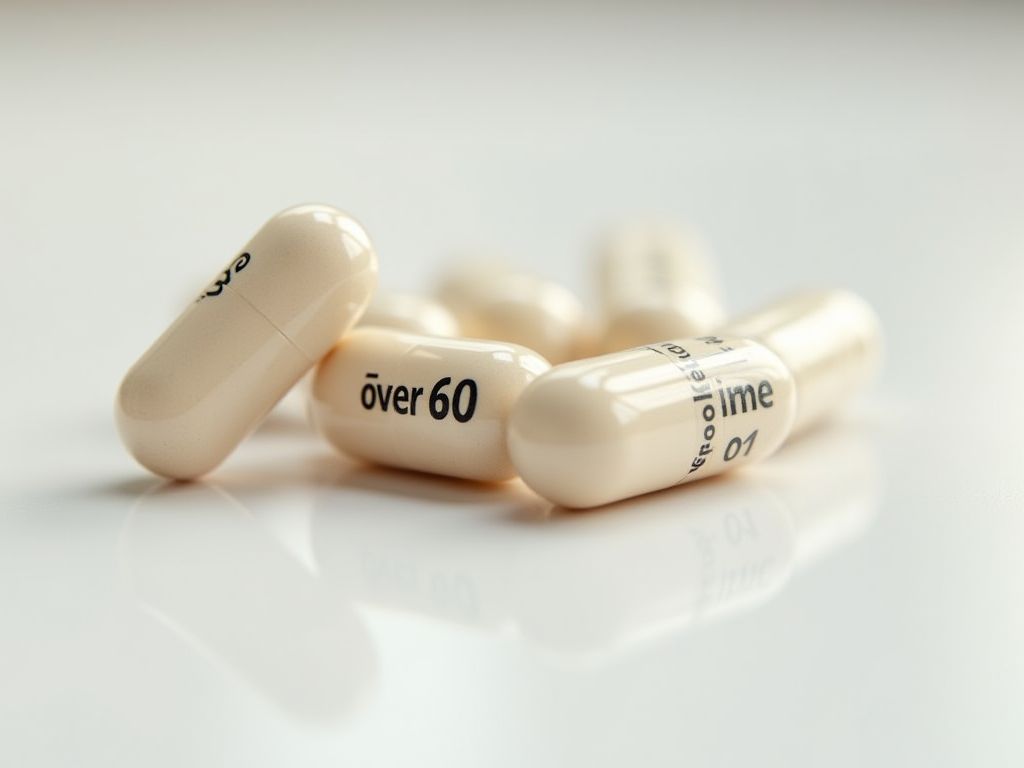
Understanding Zinc Picolinate: A Vital Nutrient for Adults Over 60
As we age, our bodies undergo significant changes, and nutrient absorption becomes increasingly important for maintaining health. Zinc, an essential mineral, plays a critical role in immune function, wound healing, and cognitive health. However, older adults are at higher risk of zinc deficiency due to reduced dietary intake, impaired absorption, and increased physiological demands. Zinc picolinate, a highly bioavailable form of zinc, has emerged as a key supplement for addressing these challenges. In this article, we’ll explore how zinc picolinate benefits individuals over 60, its scientific backing, and practical considerations for use.
1. What Is Zinc Picolinate and Why Is It Unique?
Zinc picolinate is a chelated form of zinc, meaning the zinc ion is bound to picolinic acid, a compound derived from niacin (vitamin B3). This chelation enhances zinc’s absorption in the gastrointestinal tract, making it more effective than other zinc forms like zinc oxide or zinc sulfate. Studies have shown that zinc picolinate can increase serum zinc levels by up to 30% compared to other supplements, which is particularly beneficial for older adults with absorption issues.
Partner Content


2. Immune Support for Aging Adults
As we age, our immune systems weaken, increasing susceptibility to infections and chronic diseases. Zinc is essential for the development and function of immune cells, including T-cells and natural killer cells. Research published in the Journal of Nutrition highlights that zinc supplementation can reduce the incidence of respiratory tract infections in older adults. Zinc picolinate’s superior bioavailability ensures that the body receives adequate zinc to support immune resilience.
3. Bone Health and Osteoporosis Prevention
Calcium and vitamin D are often the focus of bone health, but zinc also plays a crucial role. Zinc contributes to bone mineralization and collagen synthesis, both of which are vital for maintaining bone density. A 2019 study in Nutrients found that zinc deficiency is linked to increased fracture risk in the elderly. By supporting osteoblast (bone-building cell) activity, zinc picolinate may help mitigate age-related bone loss and reduce the risk of osteoporosis.
4. Cognitive Function and Brain Health
Zinc is involved in neurotransmitter signaling and synaptic plasticity, processes essential for memory and learning. Declines in zinc levels have been associated with cognitive decline and neurodegenerative diseases like Alzheimer’s. A 2020 review in Frontiers in Aging Neuroscience suggests that zinc supplementation, particularly in the form of picolinate, may protect against oxidative stress and inflammation in the brain, potentially slowing cognitive decline in older adults.
5. Skin and Hair Health in Later Life
Zinc is a key component of enzymes that regulate skin repair and hair growth. As skin becomes thinner and hair thins with age, zinc deficiency can exacerbate these issues. Zinc picolinate supports collagen production, reduces inflammation, and promotes wound healing, helping to maintain healthier skin and prevent hair loss. A 2018 study in Journal of Cosmetic Dermatology noted that zinc supplementation improved skin elasticity and reduced signs of aging in postmenopausal women.
6. Digestive Health and Nutrient Absorption
Older adults often face digestive challenges, including reduced stomach acid and slower gut motility, which impair nutrient absorption. Zinc is essential for maintaining the integrity of the gastrointestinal tract and supporting the production of digestive enzymes. Zinc picolinate’s enhanced bioavailability ensures that the body can efficiently absorb other nutrients, reducing the risk of malabsorption syndromes.
7. Managing Chronic Conditions: Diabetes and Cardiovascular Health
Zinc picolinate may offer benefits for individuals with chronic conditions like diabetes and cardiovascular disease. Zinc helps regulate insulin sensitivity and glucose metabolism, which is critical for managing blood sugar levels. Additionally, zinc’s antioxidant properties can reduce oxidative stress, a major contributor to atherosclerosis. A 2021 study in Diabetes Care found that zinc supplementation improved glycemic control in older adults with type 2 diabetes.
8. Sleep Quality and Circadian Rhythm Regulation
Zinc is involved in the production of melatonin, the hormone that regulates sleep-wake cycles. As people age, sleep disturbances become more common, and zinc deficiency may worsen these issues. Research in Chronobiology International suggests that zinc supplementation can improve sleep quality and duration by supporting melatonin synthesis and reducing nighttime awakenings.
9. Safety and Potential Side Effects
While zinc picolinate is generally well-tolerated, excessive intake can cause gastrointestinal discomfort, such as nausea or diarrhea. The recommended daily allowance (RDA) for zinc in adults over 60 is 12.5 mg for men and 12 mg for women. It’s important to avoid exceeding the upper limit of 40 mg per day, as high doses may interfere with copper absorption or cause toxicity. Always consult a healthcare provider before starting supplementation.
10. How to Incorporate Zinc Picolinate into Your Routine
Zinc picolinate is available in various forms, including capsules, tablets, and powders. For best results, take it with food to enhance absorption and minimize stomach upset. Pair it with vitamin C, which can further boost zinc uptake. If you’re on medications or have kidney disease, consult your doctor to ensure compatibility. Regular blood tests can help monitor zinc levels and adjust dosing as needed.
Frequently Asked Questions (FAQ)
- Is zinc picolinate safe for seniors? Yes, when taken within recommended doses. It’s generally well-tolerated, but consult a healthcare provider if you have underlying health conditions.
- What’s the best dosage for adults over 60? The RDA is 12.5 mg for men and 12 mg for women. Avoid exceeding 40 mg per day to prevent toxicity.
- Can zinc picolinate interact with medications? It may interfere with certain antibiotics or diuretics. Always check with your doctor.
- Are there dietary sources of zinc that can replace supplements? Foods like oysters, beef, pumpkin seeds, and legumes are rich in zinc. However, absorption may be lower in older adults.
- How long does it take to see benefits? Improvements in immune function and energy levels may be noticeable within a few weeks, but consistent use is key for long-term health.
Conclusion: Prioritize Zinc for Long-Term Health
For adults over 60, zinc picolinate offers a powerful way to address age-related nutrient deficiencies and support overall well-being. From boosting immunity and bone health to improving cognitive function and sleep quality, its benefits are extensive. However, supplementation should be approached thoughtfully, with attention to dosage, potential interactions, and individual health needs. By incorporating zinc picolinate into a balanced diet and lifestyle, older adults can take proactive steps toward maintaining vitality and quality of life in their golden years.
Scientific References & Medical Evidence
- "The Role of the Kynurenine Pathway in the Pathophysiology of Frailty, Sarcopenia, and Osteoporosis." (2023) View study on PubMed.gov →
- "Deciphering the microbiome-metabolome landscape of an inflammatory bowel disease inception cohort." (2025) View study on PubMed.gov →
CureCurious verifies facts through peer-reviewed research.
You might also like


Recommended for your journey
We've handpicked this top-rated health tool to help you achieve the results discussed in this article.
Check Price on Amazon*As an Amazon Associate, CureCurious.com earns from qualifying purchases. This helps us keep our research free for everyone.

Written by CureCurious Team
Editorial Team
"Our editorial team consists of passionate health researchers dedicated to bringing you the latest science-backed wellness news."