
Anti-Aging & Longevity
Telomere Protection: Dosage Guide
Telomeres, the protective caps at the ends of chromosomes, play a critical role in cellular aging and overall health.
Telomeres, the protective caps at the ends of chromosomes, play a critical role in cellular aging and overall health.

Active adults—those who engage in regular physical activity, whether for fitness, sport, or recreation—are often seen as paragons of health.

As we age, a natural but often overlooked process begins to take hold: the gradual loss of muscle mass and strength, known as sarcopenia.

As we age, our bodies undergo subtle but significant changes that can alter how we process nutrients.

As we age, our bodies undergo a natural decline in energy production and metabolic efficiency.

Mental fatigue—a state of reduced cognitive performance and emotional exhaustion—is increasingly affecting active adults who lead physically demanding lifestyles.

Chronic inflammation is a silent but pervasive threat to health, linked to conditions like heart disease, diabetes, and autoimmune disorders.

Modern life is rife with sleep disturbances, but few realize that the foods we consume daily might be the silent architects of our night awakenings.

Becoming a parent is a profound transformation, and one of the most significant yet often overlooked aspects of this journey is the gradual shift in hormone levels that occurs post...

Quality sleep is the cornerstone of physical, mental, and emotional well-being.

For many sedentary individuals, the gradual onset of poor circulation symptoms may seem minor at first.

For busy professionals juggling meetings, deadlines, and family commitments, maintaining a healthy diet can feel impossible.

Vitamin B12 is a crucial nutrient that plays a vital role in maintaining the health of your nervous system, blood cells, and DNA synthesis.

The hidden health risks of addiction-related anxiety and a sedentary lifestyle often go unnoticed, yet they form a dangerous cycle that can severely impact physical and mental well...

High-Intensity Interval Training (HIIT) has revolutionized the fitness world, offering a time-efficient way to burn fat, build muscle, and boost endurance.

As men age, energy levels naturally fluctuate, but gradual declines in vitality often signal underlying health shifts.

Brain fog—a persistent feeling of mental cloudiness, forgetfulness, and lack of focus—is a widespread issue affecting millions.

As we age, our bodies undergo significant changes—metabolism slows, muscle mass declines, and chronic health conditions become more common.

Millions of people worldwide face a silent but pervasive health threat: vitamin depletion caused by alcohol consumption and exposure to air pollution.
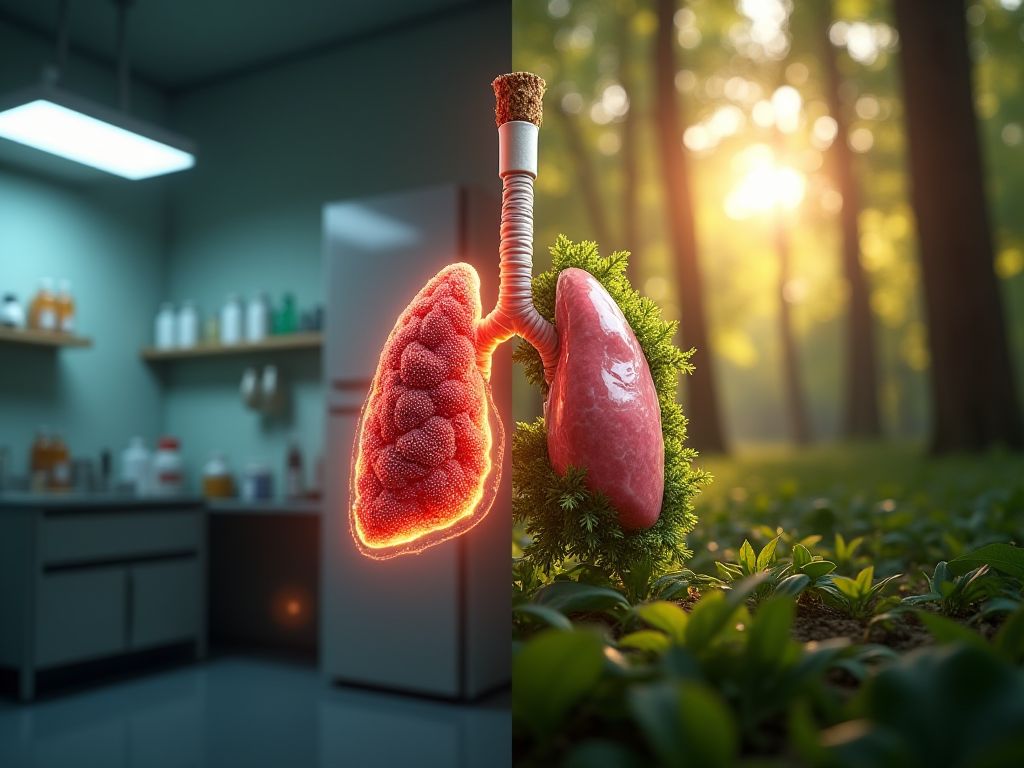
When it comes to health, many people turn to supplements or believe that smoking in moderation is harmless.
Hi! At CureCurious, we invest a lot in research to bring you the best health insights. Please consider disabling AdBlock to support our work.